Advocates claim that synthetic biology and the so-called New Breeding Techniques (NBTs) are distinct from genetic engineering (GE), write Helena Paul, Elisabeth Bücking & Ricarda Steinbrecher. In fact synthetic biology and NBTs carry similar risks to old-style GE, and even create novel hazards. The 'new GE' techniques - as they should be named - and their products deserve regulation at least as strict as those applying to GMOs.
Rio Tinto's QMM mine in Madagascar was meant to be an exemplar of 'corporate social responsibility' and environmental best practice. But the reality experienced by local communities is different, writes Yvonne Orengo, with uncompensated land seizures, food insecurity, deforestation and social deprivation. New concerns are emerging about the infringement of legal buffer zones and radiation exposure. Rio Tinto must be held responsible for its actions!
Reflecting on the take home messages from the weekend's UK Green Party conference ELIZABETH WAINWRIGHT says she was listening to a party seeking out new spaces for us to come together - to create a new vision and make it reality
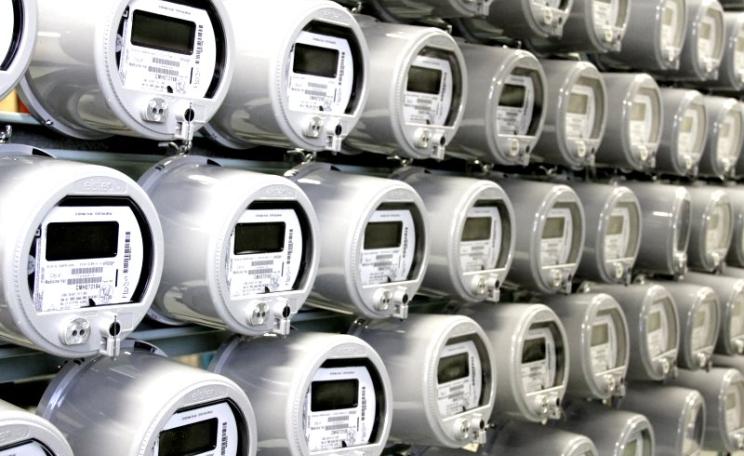
Dynamic power pricing that responds to supply and demand could transform the way we manage our electricity systems, writes Claire Maugham, opening the door to the mass integration of renewables like wind and solar. But smart meters are essential to making that happen.
The UK is placing energy storage at the heart of its new Modern Industrial Strategy, due to its potential to support smart energy systems and the automotive sector. As the energy industry moves away from carbon-heavy production, the twin-approach of renewable energy and storage will be critical for delivering on the demand while securing the future of UK energy, writes IAN LARIVE
Many eco-minded Brits are rightly worried about the prospect of a ‘hard Brexit'. But what if another ‘alternative' Brexit that delivered a Greener economy were possible? VICTOR ANDERSON and RUPERT READ of Green House have just delivered a new report on Brexit and trade from an ecological perspective. Here, they share their key findings with the Ecologist...
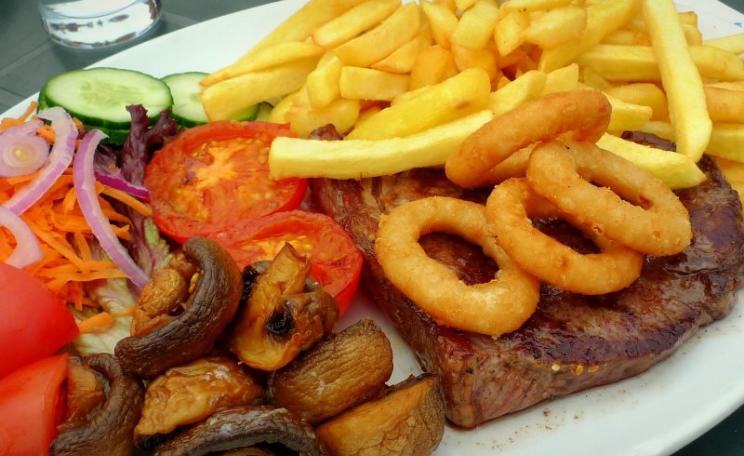
Increasing quantities of 'hidden GMOs' are finding their way into our diet, writes Pat Thomas. They are coming mainly in US imports for supermarkets and caterers, and in animal feeds used for meat, dairy and egg production. It's time for chefs, pubs, takeaways and restaurants to take responsibility for the food chains that supply them - labelling the GMOs in their meals, and better still, cutting them out.
Government promises of 'leaving our environment better than we found it' are melting away in the heat of Brexit, writes Jeremy Robson. Ministers have said that a third of all EU environmental laws may never be transposed into UK statute, while many Tory MPs are anxious to rip away the 'red tape' that prevents building on precious nature sites. We must make British nature great again!
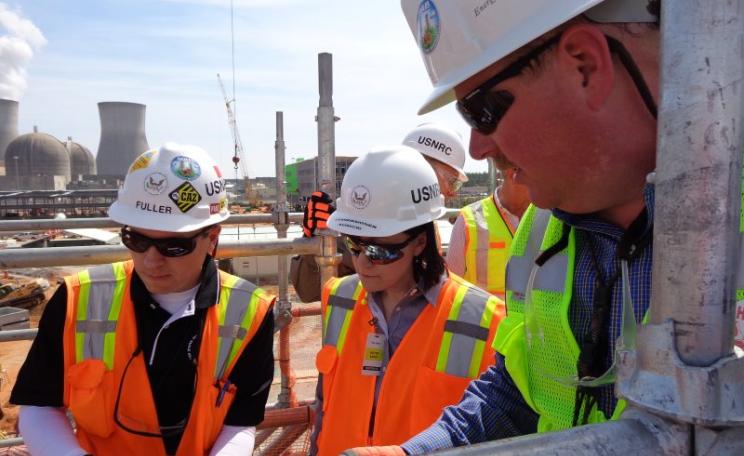
News that one of the world's biggest nuclear power constructors, Westinghouse, has filed for bankruptcy in with debts of over $10 billion has put the entire sector on notice and issued a dire warning to nuclear investors everywhere, writes Jim Green. Among the likely casualties: the UK's Moorside nuclear complex in Cumbria.
Venezuela is set to hand over 12% of the nation's territory in the upper reaches of the Amazon rainforest to mining corporations, writes Lucio Marcello, with 150 companies from 35 countries poised to devastate the army-controlled 'special economic zone'. But resistance is growing, and a counter-proposal aims to protect the area's precious biodiversity, indigenous cultures and water resources in a new South Orinoco Mega Reserve.
As UK Prime Minister triggers Article 50 and the negotiations for Britain's exit from Europe today (29th March, 2017) serious activists should take a step back, reflect on the hydra-like nature of capitalism and how their own lives have become ensnared by it, and then begin to organize for the long game, writes WILLIAM HAWES
In a potentially devastating blow to the Earth's climate, President Trump's new executive order ends the Interior Department's moratorium on coal mining on public land and begins a repeal of the landmark Clean Power Plan, writes Trip Van Noppen. But this reckless move will not pass unchallenged - the Supreme Court has ruled that the EPA must tackle climate pollution, and clean energy policies can still be defended and advanced at state level.
This year's prestigious Leontief Prize for economics has been awarded to Professors James Boyce and Joan Martinez-Alier for their ground-breaking theoretical and applied work integrating ecological, developmental, and justice-oriented approaches into the field of economics. They are worthy winners, says NICK MEYNEN
Below-par farm biosecurity should block farmers from participating in England's badger culls, writes Anna Dale. But a large body of evidence of poor and negligent biosecurity by farmers suggests that Natural England, the government's official regulator, is turning a blind eye to this strict requirement - and undermining the purpose of the cull.
In the year 2067, the eating of meat - carnism - will be seen as crime similar to cannibalism today, writes Matthew Adams. That is, in the fertile imagination of Simon Amstell, expressed in his BBC iPlayer film 'Carnage'. With 55 billion animals slaughtered every year for their meat, the vision looks remote. But the world will be a far better place if we begin the transition to plant-based diets - for our health, that of the planet, and not least, the animals themselves.