Hugh Fearnley Whittingstall has a done a great job exposing the scandal of Britain's billions of non-recyclable coffee cups, writes Rhodri Jenkins. But what about the coffee itself? The grounds can be used for everything from compost and biodiesel to boutique chemicals and supercapacitors - yet the vast majority of the world's 9m tonnes a year of waste coffee ends up in landfill.
Internal Glasgow University emails show that it terminated geophysics professor David Smythe's email account and access to scientific papers because his concerns about the impacts of fracking were upsetting its 'industrial research partners', writes Kyla Mandel - not as part of a 'routine review' as previously stated.
The NRC routinely fails to enforce its own safety codes at nuclear power plants, writes Linda Pentz Gunter - putting all of us at risk from accidents. It's the US's most extreme example of regulatory capture, rivalling Japan's 'nuclear village' of crony agencies and feeble regulation that led to the Fukushima disaster. How long can it be before the US experiences another nuclear catastrophe?
Kurt Jackson's artworks of reflected, captured light show his obvious love for the wild ecology of the UK's favourite coastline and have made him one of the country's most respected art activists. Arts Editor GARY COOK learns more.
Calls for better protection of the UK's ancient woodlands are being made by environmental groups due to a loophole in the National Planning Policy Framework (NPPF), last revised in 2012. LAURA BRIGGS reports
Brazil's new neoliberal government is intent on building a massive new dam deep in the Amazon rainforest on the on the Tapajós river, writes Helle Abelvik-Lawson, obliterating the indigenous territory of the Munduruku people in defiance of their constitutional rights.
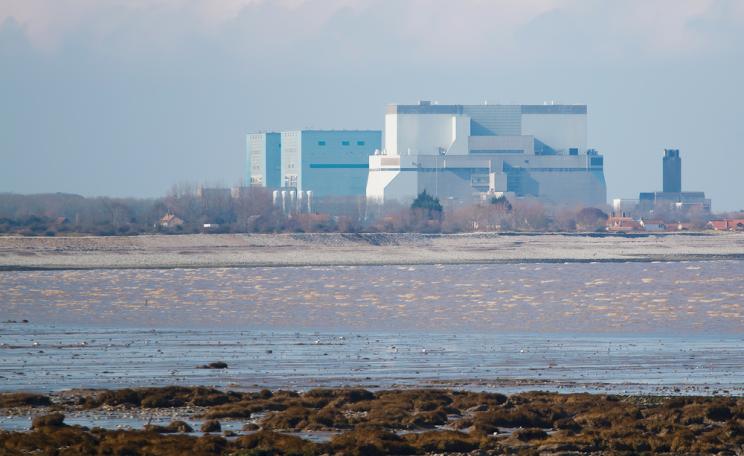
The huge marquee for VIP nuclear guests was already erected at the Hinkley site; champagne was already on ice; VIPs were en route to Somerset to party at the final breakthrough, when hundreds of thousands of contractual pages were due to be authorised with co-signatures of the contracting parties. Suddenly, everything was off. So what really happened asks DAVID LOWRY
Do we need big solutions to big problems? Charles Eisenstein challenges the logic of 'bigness' and looks for answers in the principles of 'interbeing'.
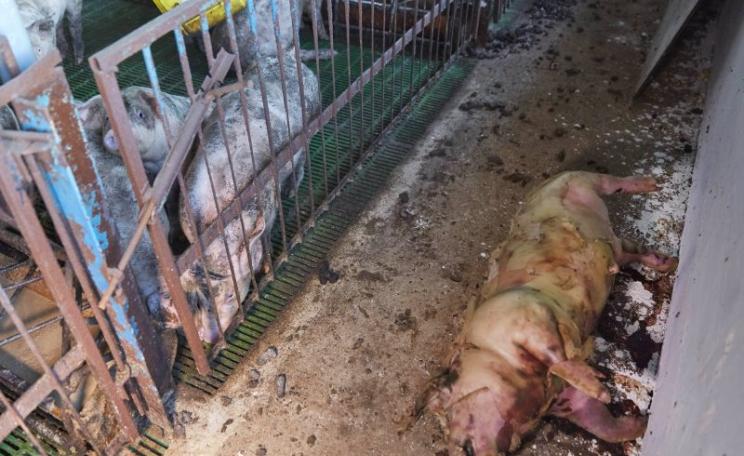
Free range pig campaigner Tracy Worcester had a surprise encounter after filming horrific conditions in an intensive UK pig farm. She met the elderly farmer who was cutting corners to stay in business under cut-throat pressure from supermarkets and global agribusiness - only to find he shared all her concerns. The answer is for shoppers to buy only high-welfare meat.
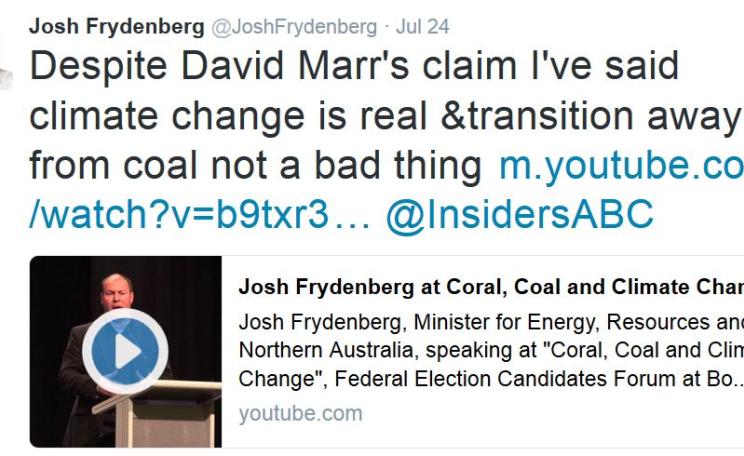
Australia's Prime Minister Malcolm Turnbull has handed the environment portfolio to the energy minister in an attempt to calm climate sceptics. But will it work? Ecologist writer Maxine Newlands reports.
French energy giant EDF will today give the formal go-ahead for the Hinkley C nuclear power station in Somerset, writes Chris Goodall. But that's no reason for the UK to sign up to a disastrous deal that will cost us over £1 billion per year for 35 years - money that should be used to support the green technologies of the future.
The government may want to press ahead with the English badger cull, writes Lesley Docksey. But after the Brexit vote it may just cost too much - for taxpayers and for the farmers who bear part an increasing share of the expense, now facing the loss of the 55% of their income that currently comes from Brussels.
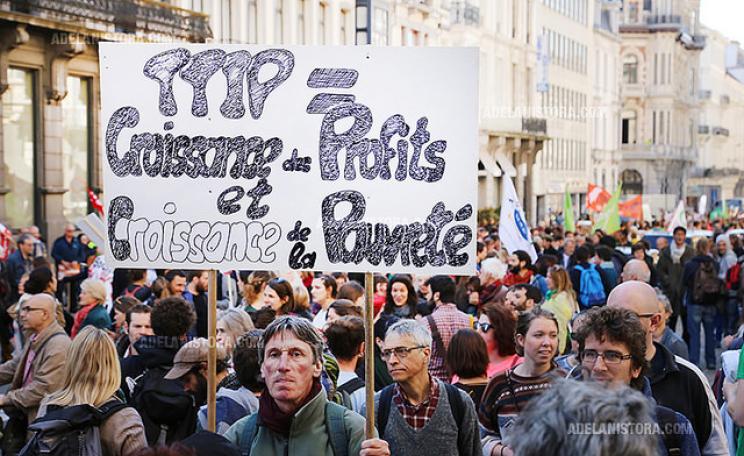
The European Union and the USA have been negotiating the Transatlantic Trade and Investment Partnership (TTIP) behind closed doors since 2013. Negotiators kept insisting that their secret talks would work in the best interest of the public and the environment. But since Greenpeace leaked the TTIP draft negotiating documents it became clearer than ever, that this trade agreement could become one of the most dangerous weapons in the hands of the fossil fuel industry in its effort to kill Climate Action for the 21st century. The elephant in the room is here and it is huge: the word "climate" means something totally different in the TTIP papers.
Thanks to an increasingly aggressive US foreign policy pursued over decades, NATO nuclear missiles and armed forces are poised on Russia's border, writes Conn Hallinan - forcing it to abandon its 'no first use of nuclear weapons' pledge in view of the massively asymmetrical threat it faces. The world must step back from the brink of nuclear annihilation.
A new UN report warns of a threefold increase in extraction of the Earth's primary materials between 1970 and 2010, writes Alex Kirby. The boom in the production of minerals, ores, fossil fuels, timber and biomass and will be to intensify climate change, increase air pollution and reduce biodiversity.