As we remember the bombing of Hiroshima and Nagasaki this month 71 years ago, we have largely forgotten the racist propaganda that made it possible, writes LINDA PENZ GUNTER. We have likewise sanitised history to exclude the voices of African Americans who loudly protested the use of nuclear weapons, connecting them to American colonialism abroad and racism at home.
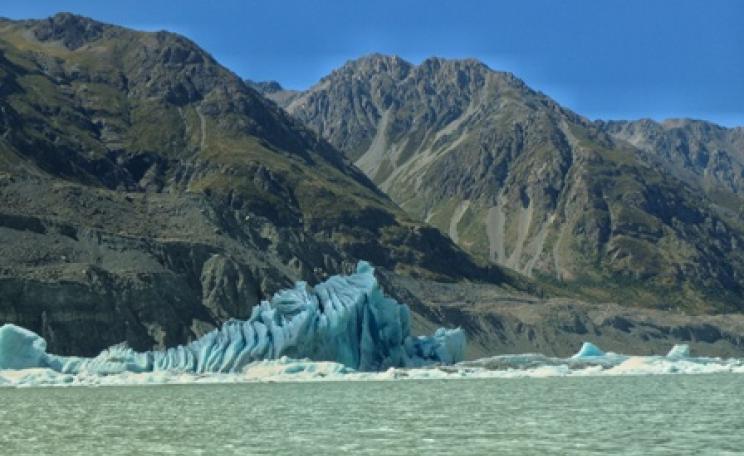
Travel blogger Robert Trevelyan is by turns awe-inspired and intimidating by the melting ice giant that is New Zealand's Tasman Glacier. Here's his first-person account of a recent visit
Leaked documents show that Natural England, the official wildlife agency, is to increase its income from 'discretionary chargeable advice' to developers and landowners, writes EMMA HOWARD - while also failing to prosecute wildlife crime or challenge damaging developments.
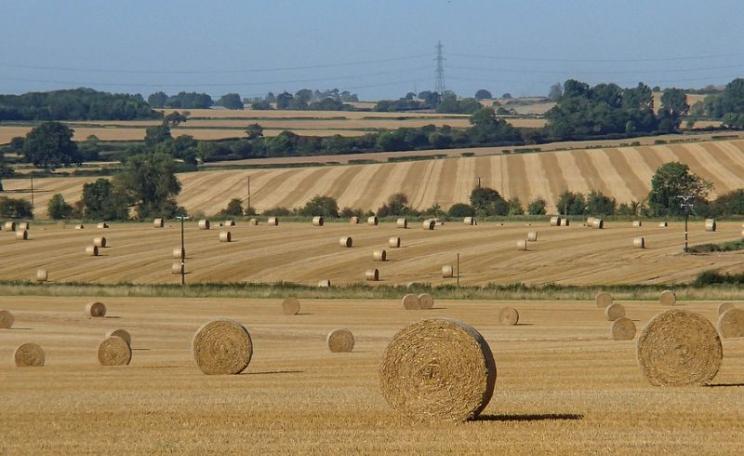
The National Farmers Union has been issuing dire warnings that if UK taxpayers do not keep on paying landowners billions of pounds of annual subsidies after Brexit, many will simply give up farming altogether. So, asks CHRISTOPHER SANDOM, how would our countryside change if they followed through on that threat? (Or was it a promise?)
Botswana's war on its indigenous population, the Bushmen of the Kalahari, has reached a new pitch, writes LEWIS EVANS. No longer content to arrest and intimidate them as they engage in subsistence hunting on their own land, the state has begun to shoot them from aircraft. These illegal, genocidal acts must stop!
As whale watching grows in popularity, so too do concerns about marine habitats and the conservation of whales, dolphins and porpoises. DYLAN WALKER of the World Cetacean Alliance explains why we must all take responsibility for ethical interactions with these intriguing animals
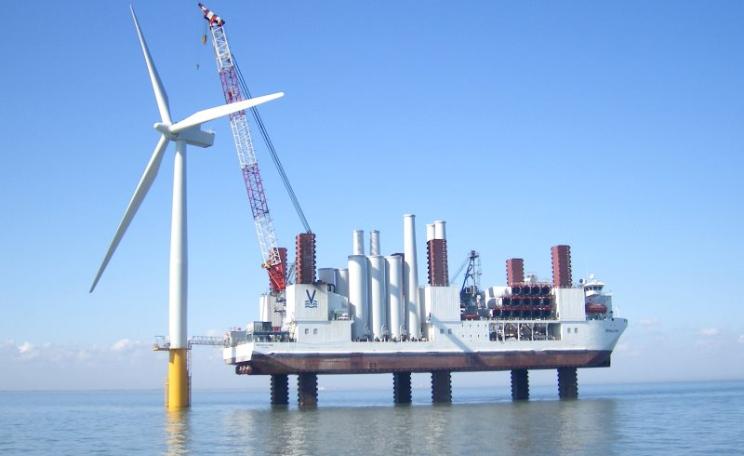
As global temperatures reach new monthly highs and the Middle East is hit by record heatwaves, we might be forgiven for sliding into hopelessness, writes PAUL ROGERS. But a host of innovations in energy technology means that a carbon-free energy future is not just possible, but affordable. The first of the three paradigm shifts required to transform the climate change outlook is in place.
Half a year or so on from the historic signing of the Paris Agreement at the COP21, the smiling promises and diplomatic handshakes have not only left the mainstream media but left us still waiting for the shift to a greener world. NEW VOICES contributor, KATIE ARTHUR looks at whether we can ever expect systems to change without transformed attitudes to lead the way...
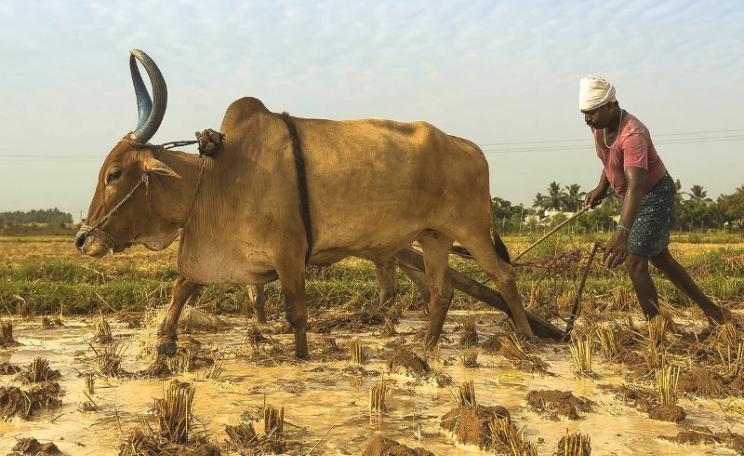
India celebrates its Independence Day today, writes Colin Todhunter. But the highly visible system of British colonial dominance has been replaced by a new imperial hegemony: the invisible, systemic rule of transnational capital, enforced by global institutions like the World Bank, while US-based global agribusiness corporations have stepped into the boots of the former East India Company.
The real reason why 'golden rice' remains uncultivated after a 20 year effort is its poor agronomic performance, write Angelika Hilbeck & Hans Herren. But beyond that, the very idea of golden rice as a 'solution' to Vitamin A deficiency fails to recognise the real causes of malnutrition - poverty, hunger and poor diet. How will golden rice reach poor children in the first place? And will they ever get the rich, oily diet they need to assimilate its fat-soluble nutrients?
Ten advisers and civil servants working in DECC, the former UK energy department, were seconded from EDF or had other links to the company, writes Joe Sandler Clarke. This may help to explain the 'preferential treatment' EDF has received over the 3.2GW nuclear power station it wants to build at Hinkley Point in Somerset.
Brexit gives the UK the chance to reform the system of agricultural subsidies that rewards wealthy landowners at the expense of taxpayers, the global south, the environment, and small scale sustainable farmers, writes Alex Scrivener. But strong, effective campaigning will be needed to bring about the changes we desperately need.
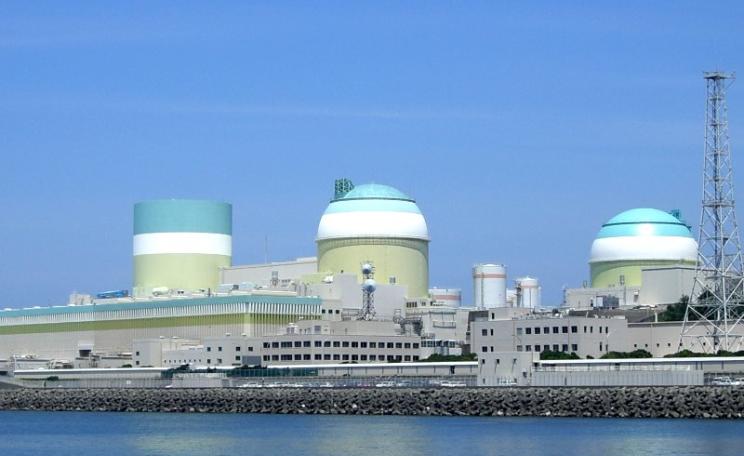
For all Japan's talk of 43 'operable' nuclear reactors, only two are actually running, writes Jim Green, as renewables and a 12% fall in demand eat into the power market. And while Japan's 'nuclear village' defends safety standards, the IAEA, tasked with promoting nuclear power worldwide, has expressed deep concerns over the country's weak and 'fragmented' safety regulation.
The Green movement is above all about leading social change, writes Greenpeace co-founder Rex Weyler. While facts and arguments are important, the main task is to replace mainstream justifications of the status quo with new, compelling narratives of a higher moral order. And the most powerful means of achieving this is by symbolic, non-violent direct action.
The new Vision for Nature report highlights what young people want to see politicians doing to protect the environment. And there is nobody better qualified to make these demands than the generation that will inherit the future, writes MATT WILLIAMS