A grassroots movement of eco-activists is achieving unprecedented success in challenging fossil fuel developments in the Cascadia region of the US's Pacific northwest, writes Alexander Reid Ross. And that has attracted the wrong kind of attention - from local police, FBI and right-wing legislators determined to protect the corporate right to exploit and pollute.
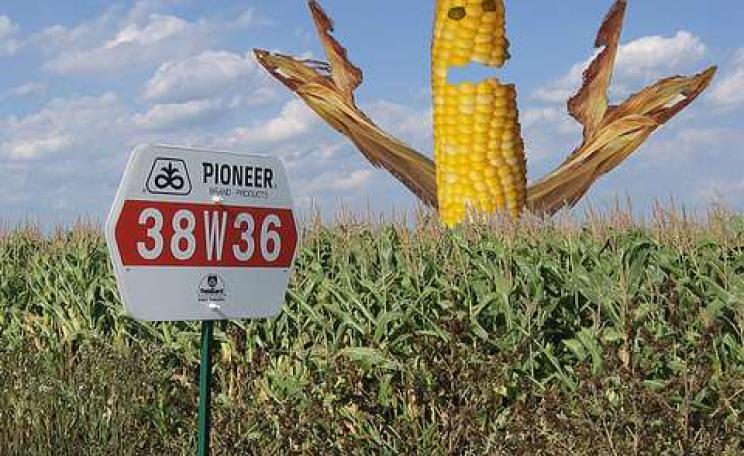
With Monarch butterfly numbers down by 90% in 20 years - largely as a result of GMO crops in key feeding areas - the US Fish and Wildlife Service is reviewing the insect's status with a view to granting it legal protection under the Endangered Species Act.
More than 25 million Americans live within an 'oil train blast zone', writes Ralph Nader. But as volumes of tar sands and shale oil carried by train soar, the oil cars identified as a 'substantial danger to life, property, and the environment' in 1991 remain in use. We must ban those dangerous railcars - and put an end to all 'extreme oil'.
Dangerous volumes of neonicotinoid insecticides and other pesticides are expressed in common wild flowers like buttercups and hawthorn blossom in countryside under arable cultivation, a new study has discovered. The discovery invalidates the UK government's 'pollinator strategy' based on creating 'safe havens' in arable areas - because the havens are in fact loaded with pesticides.
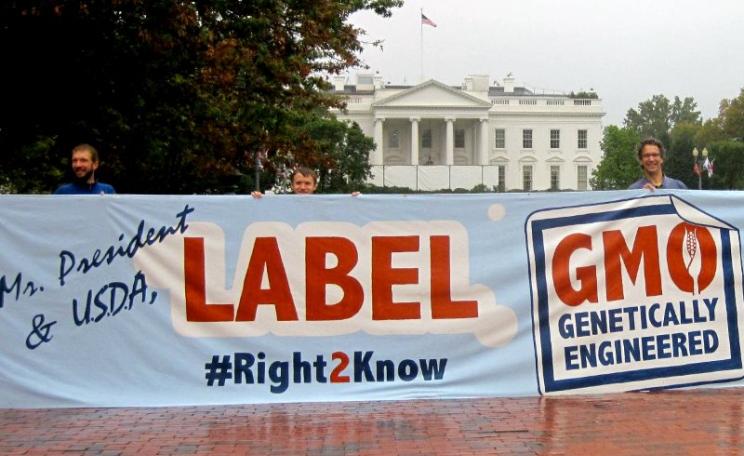
The citizens 'right to know' campaign about GMOs has put the food industry on the defensive, big time, writes Carey Gillam. But that only creates the impression they have something to hide. if GMOs are as great as they claim, they should be only too glad. It's time they switched sides and got with the people they feed.
Sneaked out shortly before MP's Christmas recess, the Government's decision to 'carry on culling' badgers with no evidence that the slaughter is reducing the incidence of bovine TB is a travesty of process, writes Lesley Docksey. But it does have one useful outcome - it has exposed Defra's claims that the cull is 'science-led' as arrant nonsense. Science never even got a look in.
Nuclear advocates take hope from China's plan for 58GW of new nuclear capacity, writes Zhang Chun. But nuclear's share of China's power supply is in long term decline, and the target is likely to be missed as faster, cheaper, nimbler renewables surge ahead.
The Government is preparing 'rules' that will enable the planting of GM crops in the UK as soon as 2017, writes Lawrence Woodward. A ministerial letter also signals a significant weakening of GMO safeguards compared to the Tories' 2010 manifesto. Now is the time to exert maximum pressure and fight off a planned GMO invasion.
We humans have much to learn from our kissing cousins, the peaceful, empathic, playful, sensual and highly sexual Bonobos, writes Susan Block. Rather than play out the myth of ancestral 'killer apes', better follow the 'Bonobo Way', and extend our love to all living beings and Earth herself.
Beijing has called a halt to new coal mines and will close hundreds of existing operations, writes Kieran Cooke. The move reflects the slowing economy, falling energy demand, concerns over air pollution and climate change, and the massive rollout of renewables.
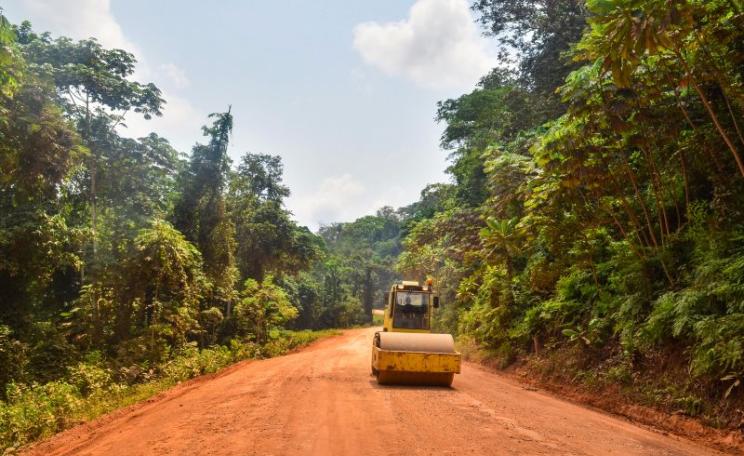
Africa is facing an unprecedented surge in road and railway building with 33 huge 'development corridors' planned that threaten 2,400 of the continent's protected wildlife areas, writes Bill Laurance. We must block the most destructive plans and limit avoidable impacts on natural areas - before it's too late.
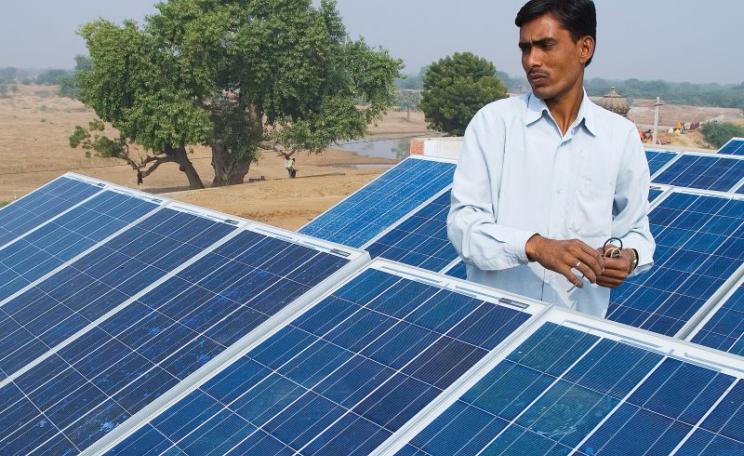
A KPMG study shows that the cost of solar power in India, revealed by public auctions, is barely half a cent above that of cheap local coal , writes Chris Goodall, with generators bids falling well below 5p (UK) / 7¢ (US) per kWh. The idea put about at COP21 that India and other poor but sunny countries need coal to develop their economies is fast running out of steam.
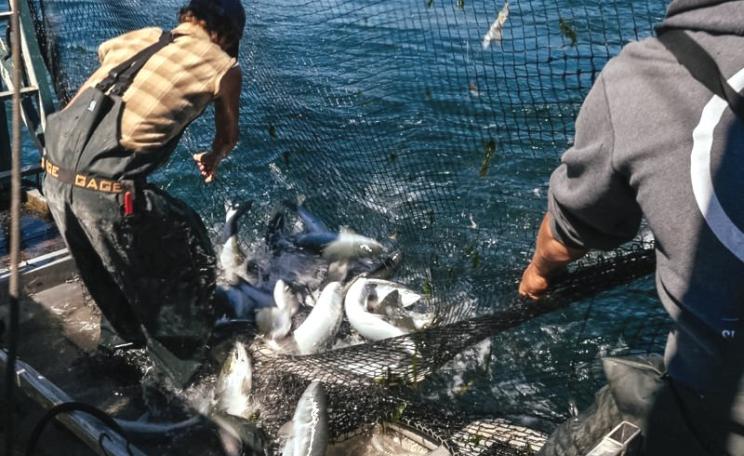
A salmon fishing cooperative in the Pacific Northwest draws on indigenous practices and state of the art technology to be among the world's most sustainable and selective fisheries, writes Kevin Bailey. With its clean harvesting techniques, minmimal bycatch, 99% survival rates for released fish, renewable energy supply and efficient supply chain, it sets a standard for all to follow.
Despite a raft of legislation to protect our wildlife, 60% of our key species are in decline, writes Jenny Jones. That's why we need a new and positive approach, going beyond protection to rebuilding flourishing, sustainable wildlife populations. And people too will see the benefits - in our own as is our health and wellbeing.
Building resilience to flood and drought is all about working with farmers, writes Colin Tudge. Simple things like ploughing across slopes, not up and down them, planting trees, and caring for soils, can make a huge difference in helping rainwater to sink into the ground, not run off. And to make it happen, the government must take a lead.