Ofcom's 'initial view' that the Greens should not take part in 2015 election debates is irrational and illogical, writes Rupert Read. Worse, it is an insult to democracy, all the more so as the Greens are the only UK party offering a genuine alternative to another five years of 'business as usual' neo-liberalism and austerity.
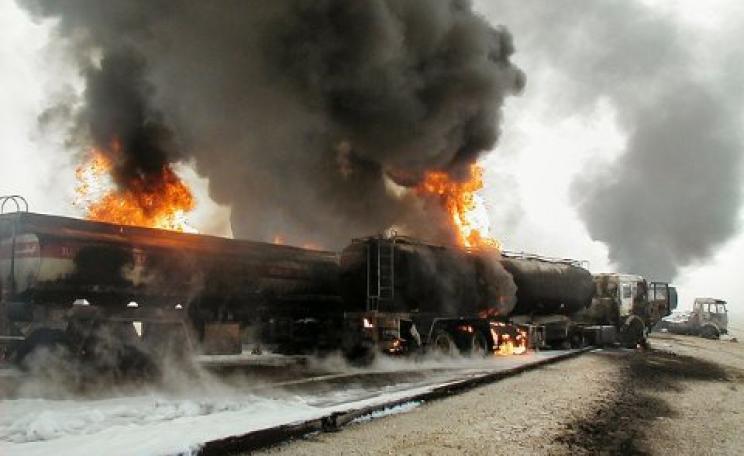
Bangladesh's Sundarbans forest, home of incredibly rich biodiversity, is under unprecedented threat, writes ASMG Kibria. The recent oil tanker capsize on the Shela river puts the forest at risk of widespread biodiversity loss, but just this week, the authorities re-opened the Shela river to shipping with no restrictions on hazardous cargoes.
Alana Husby has sawdust in her blood. A fifth generation log and lumber person from Canada, she was ‘flipping wood' as a teenager, and now she's in Panama running the region's biggest underwater logging company, employing local Kuna Indians to fish tree trunks out of flooded forests. Kate Monson met Alana in Oxford while negotiating a 'green' timber deal ...
9,000 new homes in the 'fast track' housing development zones created by the UK government are in areas of flood risk, making them potentially uninhabitable and uninsurable, according to a Greenpeace investigation - and that's before accounting for the increased flood risk from by climate change. Meanwhile future levels of funding for flood control are looking highly uncertain.
For the world to meet its climate goals, a third of the world's oil, half its gas and 80% of its coal must stay underground, writes Alex Kirby. And it's not us saying it - but scientists writing in the journal Nature.
Lord Krebs, self-appointed spokesman for industrial agriculture, used the Oxford Farming Conference to attack organic systems for causing more climate change - a claim as demonstrably false as it is ludicrous, writes Peter Melchett. But across the city, the upstart 'real farming' conference was showing the way to a cleaner, greener and healthier future.
Low oil prices are putting a stop to some of the world's most environmentally damaging 'extreme energy' projects, writes Paul Mobbs, and may close down the entire fracking and tar sands industries. So why are so many 'Greens' issuing dire warnings, instead of celebrating the good news?
Australia must acknowledge the horrors lurking in its own history, writes Fiona Broom, and admit to its continuing Aboriginal genocide. It's made harder by the deliberate ignorance of Australia's mainstream culture, politics and media. But with John Pilger's outstanding film, 'Utopia', the excuses are fast running out.
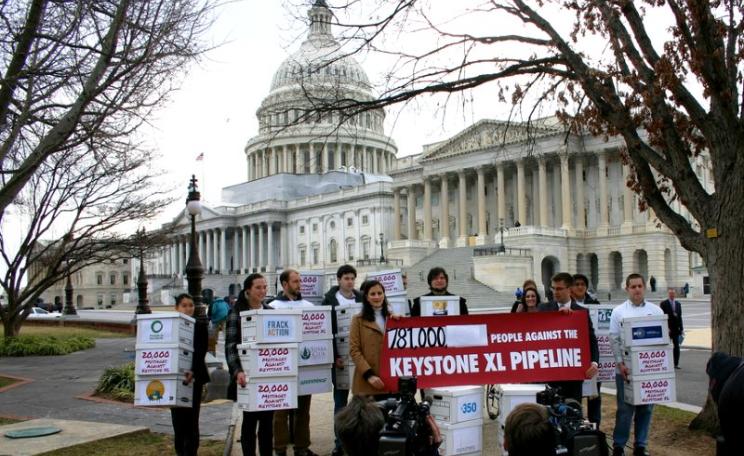
The US government is being sued for $15 billion for its cancellation of the Keystone XL tar sands pipeline last year in order to combat climate change. The legal challenge under NAFTA sends a warning to all countries contemplating similar 'free trade' agreements.
A massive oil spill in the oil-rich Niger Delta in 2008 has caused years of environmental and economic devastation. But only after legal action in London has Shell been forced to reveal the truth, admit liability, pay compensation, and begin the clean-up.
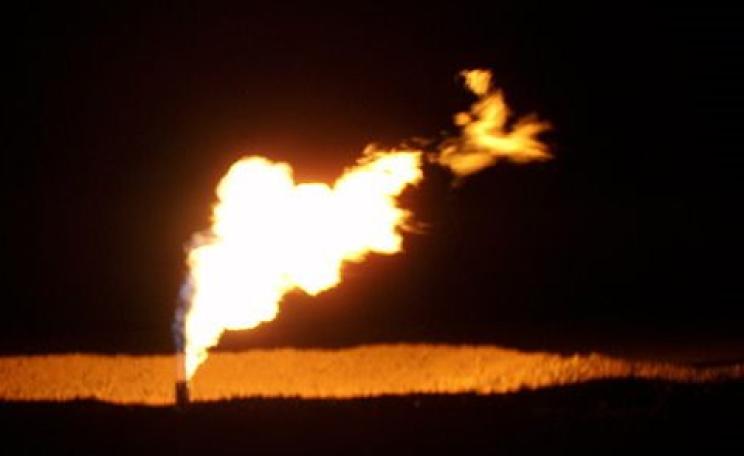
Increased production from US fracking operations is a major reason for the drop in oil prices, writes Kieran Cooke. But there are warnings that the industry now faces an existential crisis from which it may never recover, as the financial sector faces the prospect of worthless shares and $100s of billions of defaulted debt.
There are no good reasons for not acting on population and migration, writes Simon Ross. It's time to tackle the issues head on and openly to challenge the excuses for doing nothing - or for acting only indirectly to reduce population growth, by raising the status of women in high fertility countries.
A leading member of the climate change-skeptic Global Warming Policy Foundation has resigned from his post in the wake of a Greenpeace investigation that exposed its phoney 'peer review' process. But he insists: 'nothing going on here!'
How much of the mainstream media coverage given to COP21 and the Paris Agreement mentioned the mysterious exemption given to the US's massive military and security machine? None, writes Joyce Nelson. Not only are these emissions entirely outside the UNFCCC process, but a 'cone of sillence' somehow prevents them from even forming part of the climate change discourse.