Two huge open pit mines in northern Norway are on the verge of approval, writes Tina Andersen Vågenes - even though they would dump hundreds of millions of tonnes of tailings in fjords where wild salmon spawn. Scientists are voicing serious concerns, and protests are growing, but government and mining companies appear determined to push the projects forward regardless.
While the Arctic melts, Antarctica's ice has spread to record extents in three consecutive years, writes Edward Hanna. But is the news as good as it looks? Yes, if indications from a robot submarine that the ice is thicker than expected are supported by further evidence. It may just be that Antarctica's ice is more resilient than scientists dared to hope.
The 'vaquita', a small porpoise limited to a small area of Mexico's Gulf of California, is on the brink of extinction, writes Willie Mackenzie - its numbers reduced to around 100. But it's not too late to save it, by expanding a protected area and providing alternative livelihoods for local fishermen.
The exploitation of Canada's tar sands is more than just an environmental catastrophe, writes Gregory McGann. It's also an turning into an economic disaster, with massive investments at risk as falling oil prices leave the tar sands stranded.
The Maldives, a vast republic of scattered islands in the Indian Ocean, has worked hard to make its fisheries among the world's most sustainable, writes Tony Juniper. But now the EU has slapped a 20% levy on its fish exports due to human rights concerns - a move that mainly hits poor fisherfolk innocent of any wrongdoing.
Last February's explosion at the WIPP dump for long-lived intermediate-level nuclear waste from the US's nuclear weapons program remains unexplained, writes Jim Green. But with the site's history of ignored warnings, 'missing' safety culture, lack of supervision and dubious contractor appointments, it surely came as no surprise - and further accidents appear inevitable.
The UK's community energy sector was badly hit by the financial regulator's sudden decision this summer to disallow renewable energy co-operatives, writes Tammy Calvert. A consultation on the topic ends tomorrow, Friday - so get your views in quickly while you can!
Oregon's 'Yes on 92' GMO labeling supporters are just 809 votes from winning, forcing a recount in which they are confident of prevailing - despite being hugely outspent by a corporate 'no' campaign that received nearly $5 million from Monsanto alone.
A new report shows that the UK's farms can easily generate as much power as the proposed Hinkley C nuclear plant, writes Jonathan Porritt. Not only would it all be renewable, but if could all be in place by 2020. Here he offers some friendly - but strictly confidential - advice for Energy Secretary Ed Davey.
After Gezi Park, another battle for one of Istanbul's increasingly rare green spaces is raging, writes Nick Ashdown - and this time it's on the city's Asian side. Demonstrators are holding a 24-hour vigil on the edge of an 'illegal' construction site at Validebag Grove - despite having been repeatedly detained and attacked by police.
Two years after Hurricane Sandy, 'official' responses have failed, writes Michael Premo. Promises have been broken, money remains in limbo, and families are still not back in their homes. With climate change due to bring further disasters, we must build a new kind of resilience that's democratic, participative and rooted in local communities.
Doubts are growing doubts that the Hinkley C nuclear power station, the EU's biggest construction project, will get the final go-ahead from the UK government, writes Paul Brown. And that's leaving the European nuclear industry, already in serious financial difficulties, facing a struggle for survival.
The president of the World Bank has promised to back out of financing coal developments, and instead target its finance at 'every dimension of renewable energy' under a new climate-friendly strategy.
As the Arctic ice retreats, a fragile but resource-rich landscape replete with oil, minerals, fish and islands is opening up, writes Conn Hallinan. A new land-rush is on, and it could all lead to war. But it can be avoided provided states respect the rule of law and build on existing regimes of cooperation to protect the precious Arctic environment.
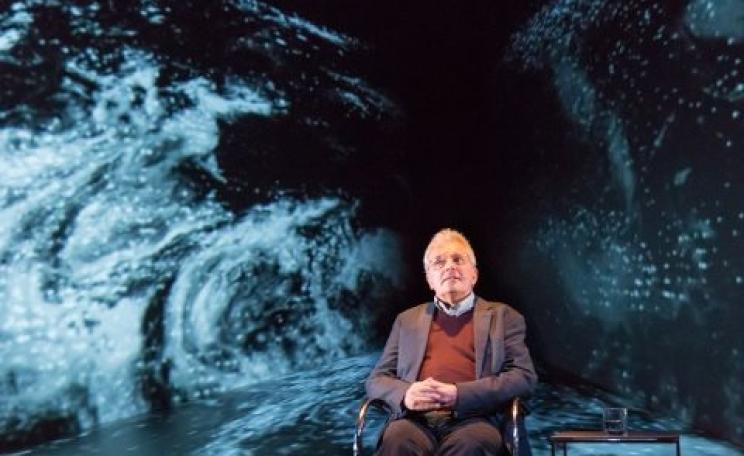
A spellbinding solo performance by veteran climate scientist Chris Rapley at London's Royal Court puts the climate debate centre stage, writes Tim Radford - and earns the admiration of hard-to-please theatre critics.