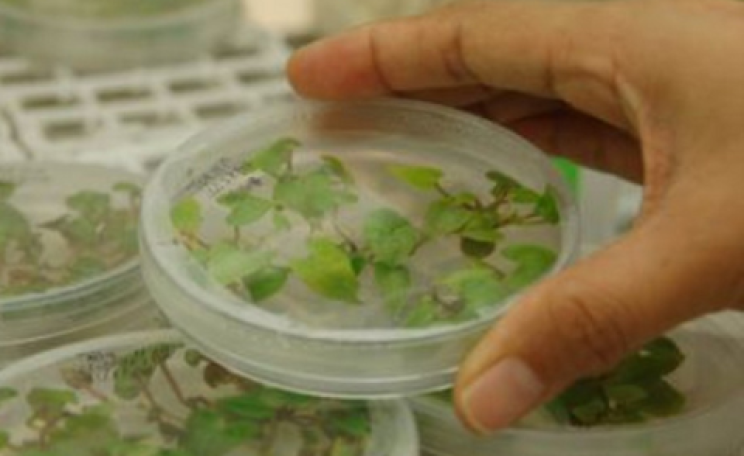
New studies document substantial differences of GM maize and GM soybean from their non-GM counterparts, writes Dr Eva Sirinathsinghji - exposing a permissive regulatory regime that has failed miserably in protecting public health and safety.
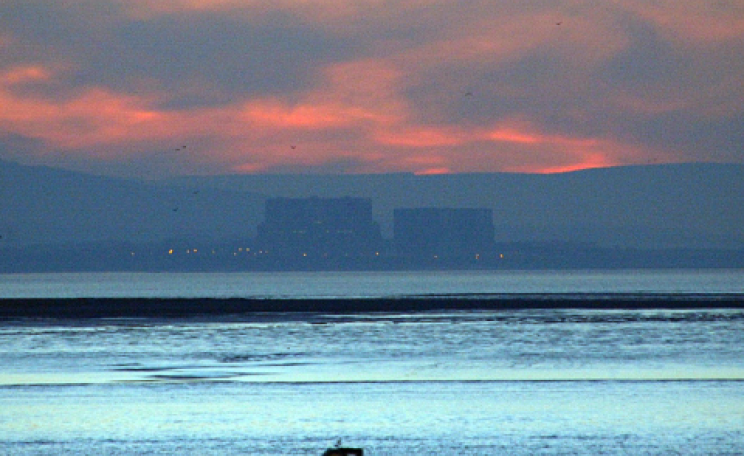
The EPR nuclear reactor is a busted flush. The two examples under construction in France and Finland are way over time, and budget. If the UK goes ahead with an EPR at Hinkley Point in Somerset, writes David Toke, the taxpayer will pay a huge price ...
Seeds are the gift of nature and past generations to us, and our gift to the future. Karl Grossman reviews 'Seedtime' - and finds that we must make that gift wholesome and fruitful - not a Pandora's box of genetically modified horrors.
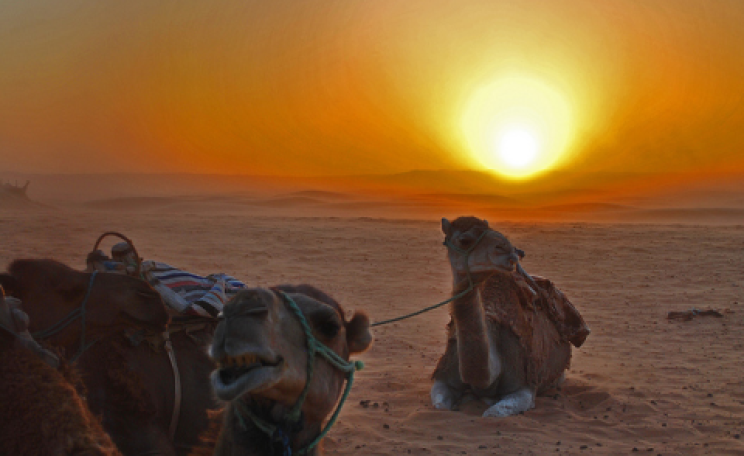
As England chokes in Level 10 smog, Rob MacKenzie says we shouldn't worry too much about headline-grabbing sand from the Sahara. Far more insidious and damaging to health are the fumes from our own cars and lorries.
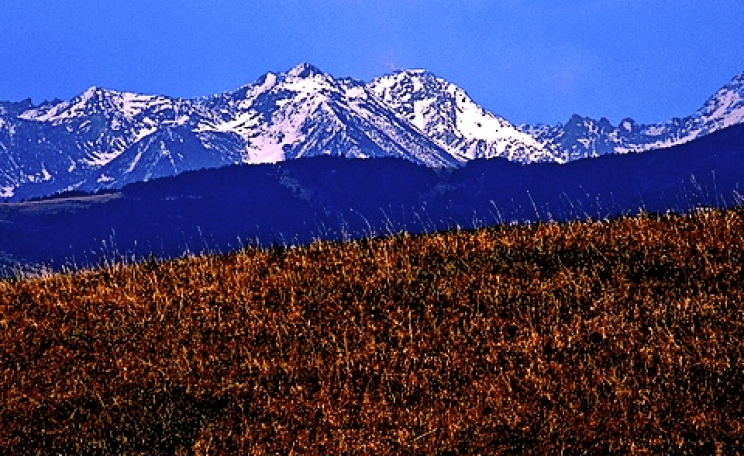
For sheer guts, vision and results, a single organisation stands out among the US's environmental defenders - the Alliance for the Wild Rockies. Jeffrey St. Clair met its leader, Mike Garrity, winner of 2014's Grassroots Activist Award.
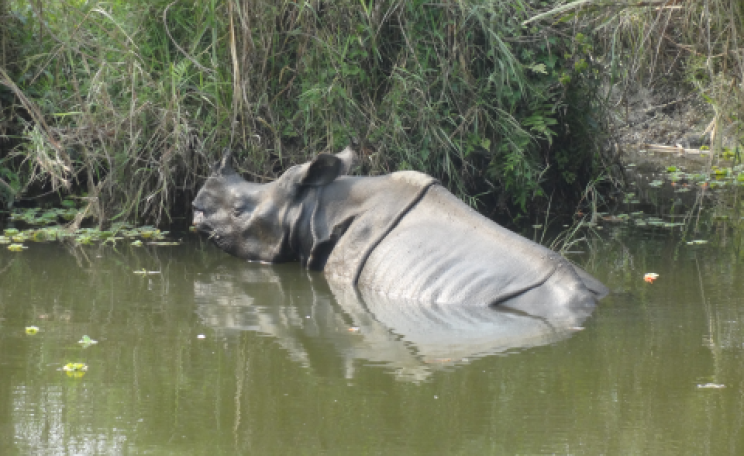
Nepal has added a new milestone in conservation by achieving zero poaching of rhinos, tigers and elephants for the year period ending in February 2014.
The US's fossil fuel industry is scared at the growth of solar power, and its ever-declining market cost. So it's fighting back, reports Trip Van Noppen, doing its best to quash solar growth by imposing new costs and restrictions.
The curse of Uranium has fallen once again on the Black Hills of South Dakota, ancestral home to the Lakota Indians - now fighting a massive mining project that threatens land, rivers and groundwater. But this time, writes Ben Whitford, the Lakota are not alone ...
As much of California and the western US endures a severe drought, the city of Los Angeles is at increasing risk from rising sea levels. Tim Radford reports on the risks to the 12,000 square mile conurbation.
Our emissions of greenhouse gases may end up recreating the conditions of the Pliocene era of 2.6 to 5.3 million years ago. Warm and wet, life could still thrive, writes Richard Pancost. As for a 40 metre rise in sea level ...
... in case there is none tomorrow. Nasser Nawajah wrote this open letter to Israel's economics minister Naftali Bennett - leader of The Jewish Home - about the water starvation suffered by Palestinians.
As Russia looks like extending its dominion into Crimea and East Ukraine, Ola Cichowlas finds that Vladimir Putin cares rather less about the the heart of Russia itself - places like Berezniki, the country's very own chemical alley.
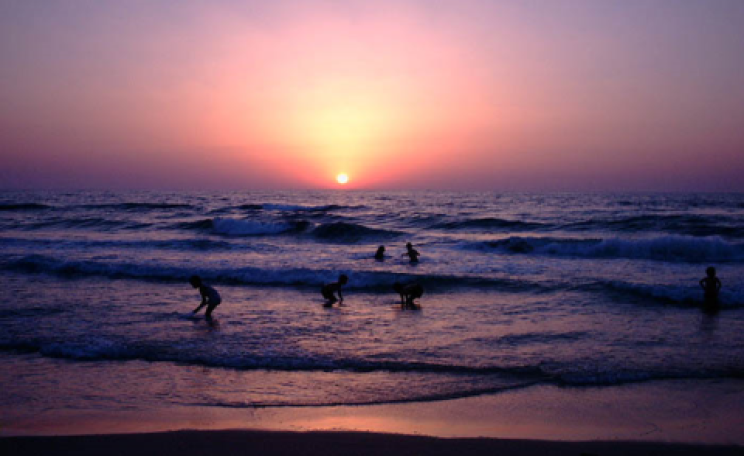
The besieged Palestinian territory of Gaza now enjoys the prospect of energy independence - a huge gain as fuel supplies to Gaza have restricted by Israel and Egypt. The big question - will Israel allow the gas field's development?
The long-term effects of synthetic chemicals used in packaging, food storage and processing food could be damaging our health, scientists have warned. Jo Adetunji reports.
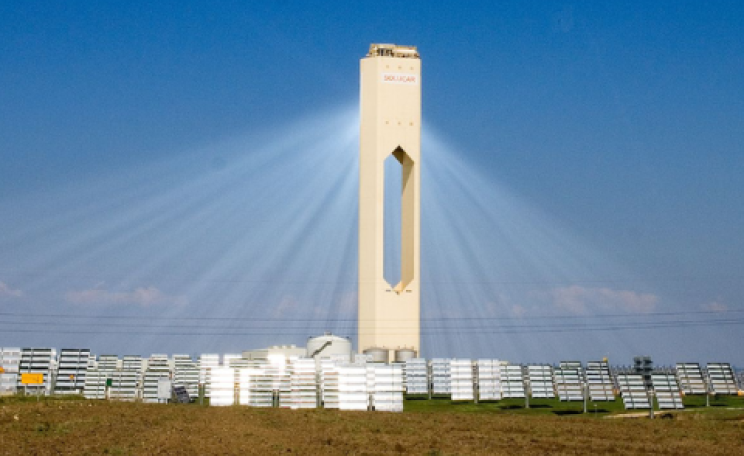
The solar industry is going great, with tens of gigawatts of new capacity planned for 2014 alone. But as Jonathon Porritt writes, the solar revolution could be going even faster - with smart, consistent policies for solar power in Europe and Japan.