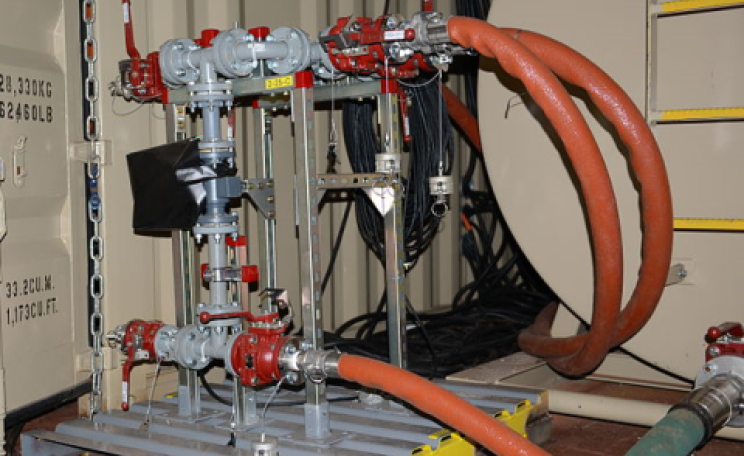
Syria's surrender of its chemical weapons last autumn raised the question - where to dispose of the toxic agents? Felicity Arbuthnot reports on a toxic tale of chaos, corruption, grand theft, and a growing strategic imbalance in the Middle East.
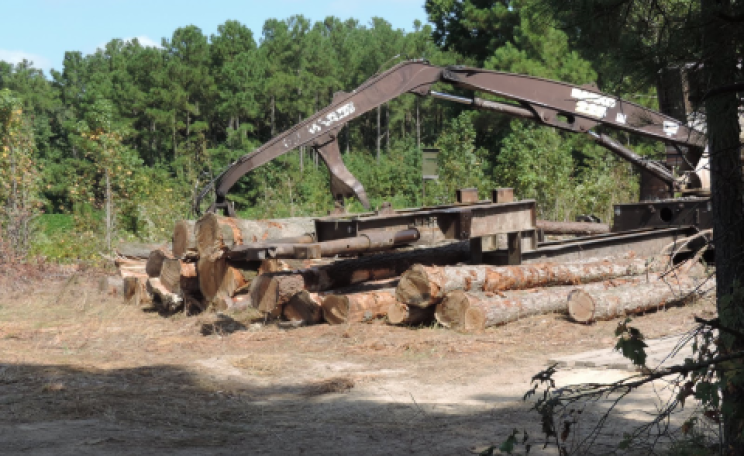
In principle ancient woodland enjoys strong protection, but that's not how it works out on the ground, reports Sian Atkinson. HS2 alone threatens 82 ancient woods, and 440 are at risk nationwide. Hence the Woodland Trust's 'Enough is Enough' campaign ...
The struggle for collective rights unites all Indigenous peoples from North America to Palestine, writes Sarah Marusek - as does their common narrative of resistance to colonialism, imperialism and capitalism.
A nuclear reactor designed to burn up surplus Cold War plutonium has been closed by the US Department of Energy. Initially it was meant to cost $1bn. So far it has cost $4bn. To complete and operate would cost $25-34bn.
The European Commission has launched its public consultation over the UK's proposed state aid to the proposed Hinkley C nuclear plant in Somerset - and in the process delivered a mighty broadside against the UK Government's plans.
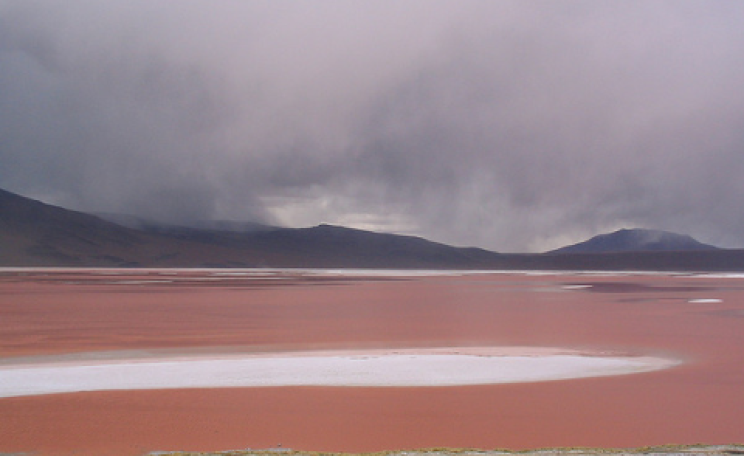
Living between southern England and Bolivia, Maddy Ryle finds inconsistent media attitudes in reporting extreme weather and climate change - and searches out new narratives that engage and empower communities across the world.
US scientists say that very large wind farms could not only withstand a hurricane: they would also weaken it and so protect coastal communities. As Tim Radford reports, wind farms could just have saved New Orleans ...
The LibDems fear the Greens will beat them in the Euro-elections, writes Rupert Read. Now they plan to use Green opposition to the 'corporate charter' TTIP trade deal to batter the Greens on 'jobs'.
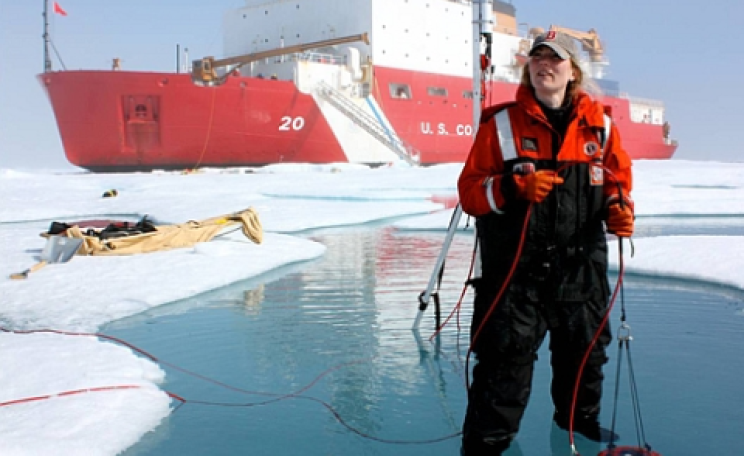
It's long been established that Arctic Ocean sea ice is on the retreat, writes Tim Radford. But it's the pace of change that's surprising scientists: latest studies show that the ice-free period is increasing by 5 days / decade.
Brian May is best known as lead guitarist for the rock band Queen. But as Lesley Docksey discovers, he is also an astrophysicist, and a committed - and highly effective - advocate for Britain's wild animals, including badgers put at risk by England's cull programme.
Who and what are biofuel sustainability standards designed to benefit? They are meant to safeguard forests and communities, writes Almuth Ernsting - but their real purpose is to protect the biofuel industry ...
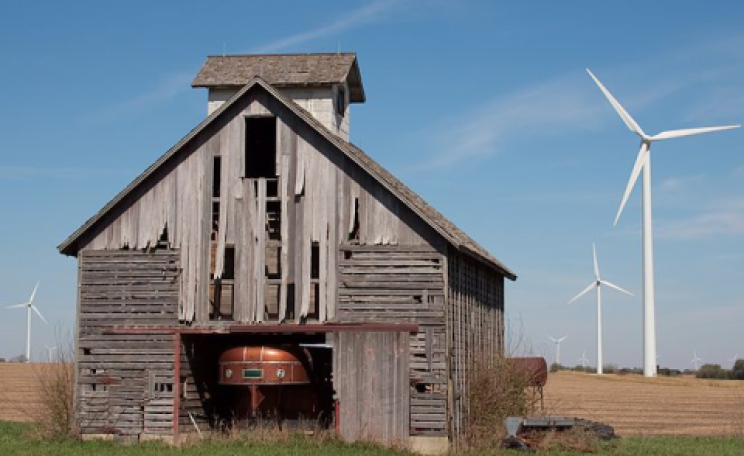
Illinois is one of six US states that allows communities to aggregate and specify their energy purchases. Now 91 - comprising 1.7 million people - have used that power to buy 100% renewable electricity.
We need a robust and open system to accurately record the loss of ancient woodland, argues Mike Townsend. Only then can we fully realise the scale of the problem - and tackle it effectively.
Nigeria is suffering political instability resulting from desertification and pollution, writes Senator Bukola Saraki. As Africa's most populous country it has no choice but to engage in the fight against climate change, its causes, and its consequences.
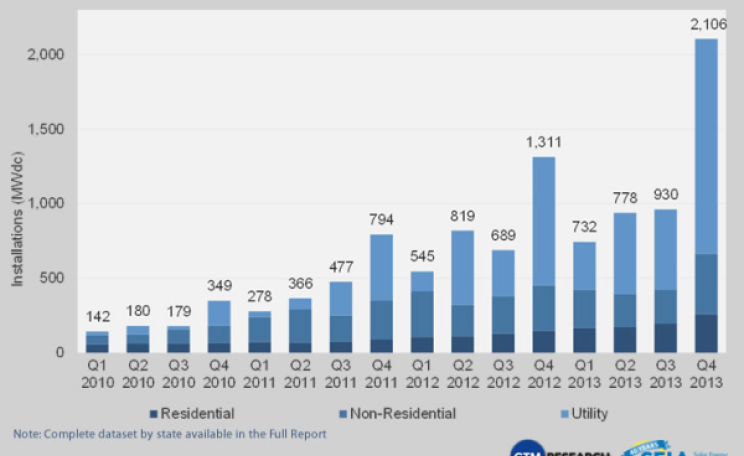
The US Solar sector boomed in 2013, with a record breaking volume of new solar capacity added - almost 5,000MW. And as John Rogers reports, the party is set to carry on through 2014.