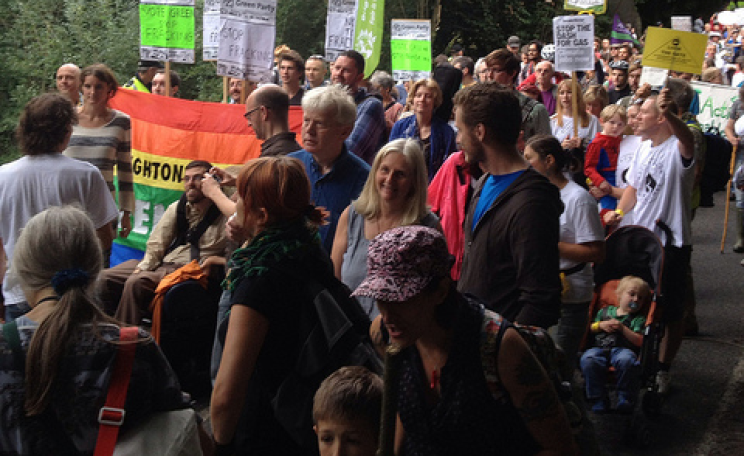
This statement was read out by the five anti-fracking campaigners standing trial at Brighton Magistrates Court this week, for joining in a peaceful protest near the Sussex village of Balcombe. The trial will resume on 17th April, when a verdict is expected.
In the lead-up to tonight's Earth Hour one organisation is putting the creative community on the front lines of the battle for climate change. Rebecca Cooke reports on the remarkable series of 29 posters to provoke and intrigue us into climate action.
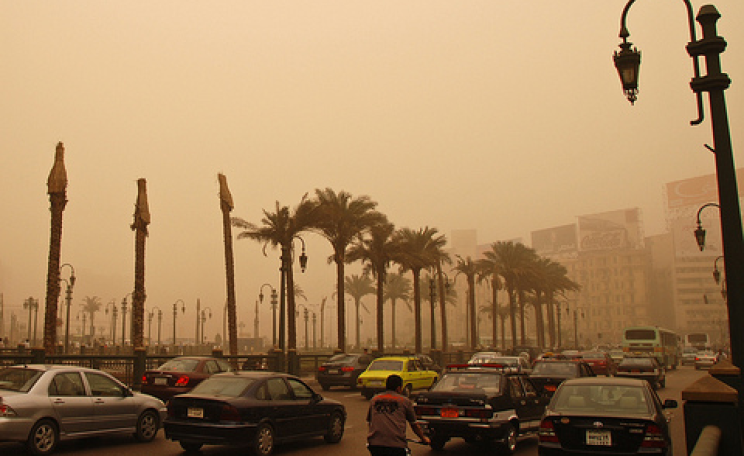
Air pollution has become a leading cause of premature mortality worldwide, causing 1 in 8 premature deaths in 2012 - from transport, industry, energy generation and smoky indoor cooking fires. Aaron Cantú reports on WHO's grim findings.
Green MP Caroline Lucas has been in court in Brighton this week following her arrest at Cuadrilla's exploratory fracking site near Balcombe, Sussex. Zoe Broughton reports ...
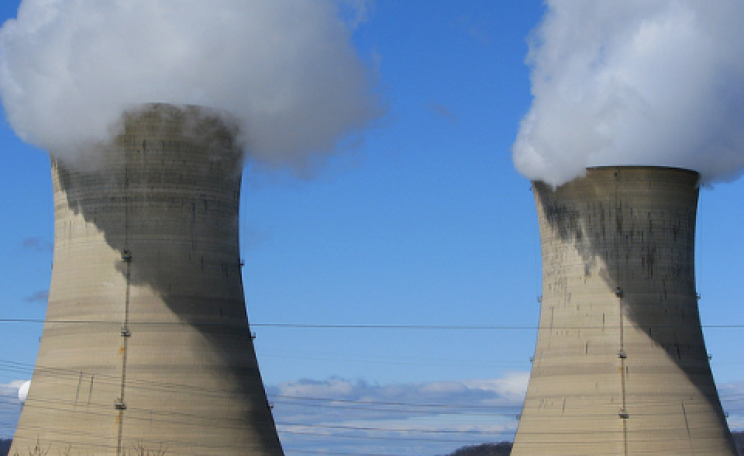
Thirty-five years ago today the USA had its worst ever civilian nuclear accident with a reactor meltdown at Three Mile Island. Linda Pentz Gunter reports on the lies and cover ups about the true scale of the radiation release and its impacts on human health.
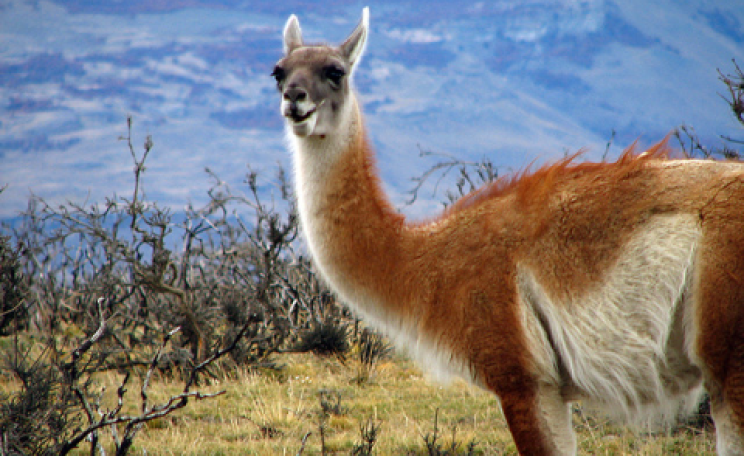
The degraded Mediterranean-like savannas of Central Chile are in serious need of re-wilding, writes Meredith Root-Bernstein. And that means bringing back the guanaco, hunted out 500 years ago, to browse on the thorny acacia scrub.
Lawrence Torcello argued that those who fund climate change denial in order to undermine the public's understanding of science should be held 'criminally and morally negligent'. He was unprepared for the ensuing torrent of misrepresentation and hatred.
A series of judgments against Canada in secret corporate tribunals costing taxpayers $100s of millions show that 'free trade' agreements really do restrict governments' right to protect health, environment and endangered species, writes Nick Dearden.
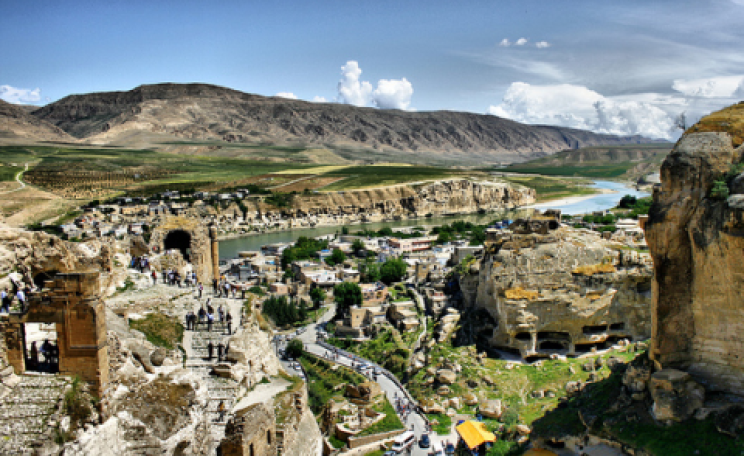
Turkey's Gezi Park protestors are finding common cause with Kurdish communities, writes Rosa Wild. Both are suffering from Erdogan's annihilation of land, forests, parks and cities in pursuit of economic growth. A new eco-democratic resistance is taking root.
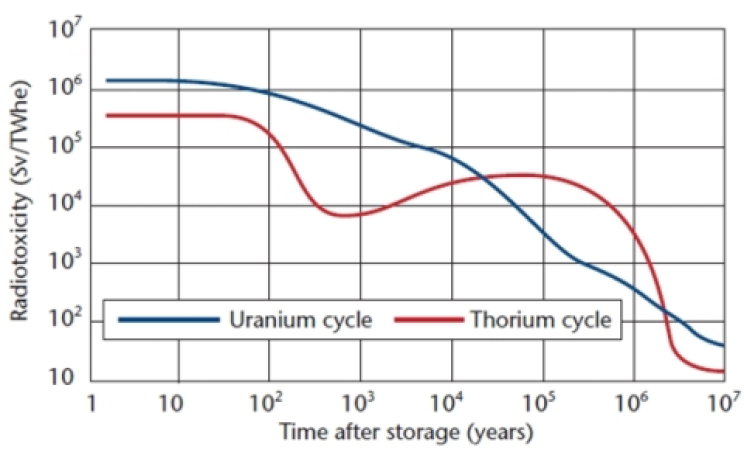
Nuclear enthusiasts have been singing the praises of nuclear reactors that use thorium as their fuel instead of uranium. Jan Beránek analyses the claims - and finds that thorium is a mere distraction on the way to our renewable future.
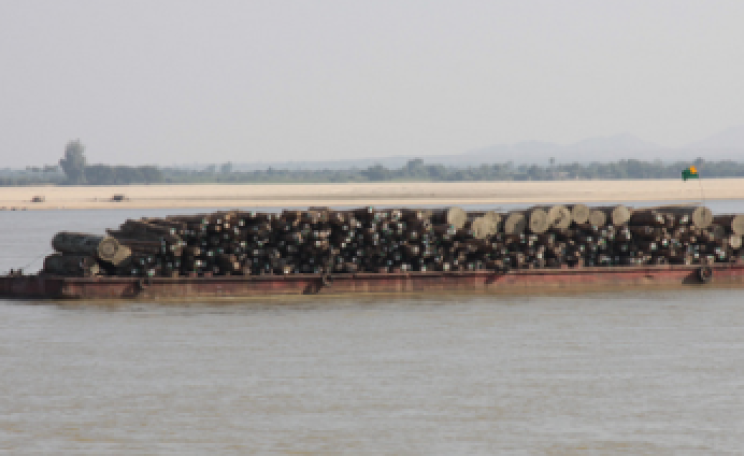
New analysis of Burma's forestry and trade data points to a multi-billion dollar illegal logging and exports black hole - indicating widespread criminality and official corruption.
Jonathon Porritt finds Mark Lynas's latest pro-nuclear tome 'gratifyingly short' and reasonably open-minded. But Lynas falls into the trap of seeing nuclear technologies as fast developing, while renewables are stuck - when the reverse is the case!
Food - and the land we grow it on - are much too important to be left to 'free' markets, writes Olivier De Schutter. And all the more so when those markets are not really free at all, but grossly distorted in favour of the rich.
On the final day of the trial of Caroline Lucas and other anti-fracking protestors, we ask - what about human rights? Entirely neglected by the government in its desperate drive to frack, they ought to trump all other policy considerations.
According to Goldman Sachs US home-owners will find it's technically and economically viable to go off-grid by 2033, writes Michael Mariotte. The big losers will be fossil and nuclear power generators.