'Brand lemur' could draw much needed ecotourism spending to Madagascar, writes Ian Colquhoun - benefiting local communities, and providing the funds needed to save lemurs from the very real threat of extinction.
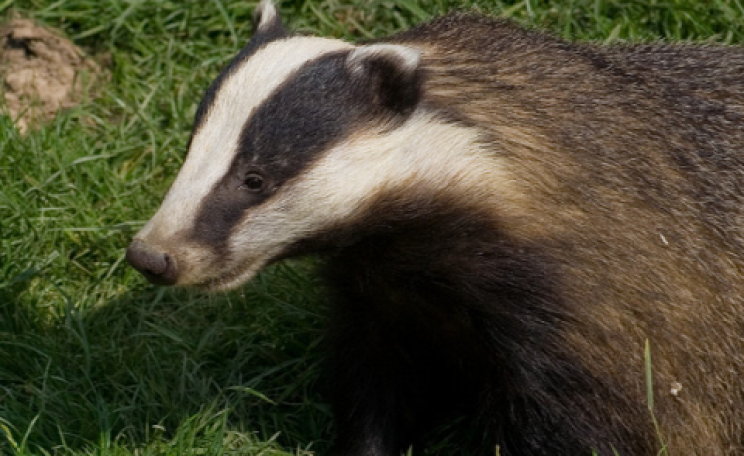
Pending the publication of the long-delayed Independent Panel report on the badger cull, Lesley Docksey finds that the fight for England's badgers is part of an even bigger campaign for scientific and political integrity.
From now on General Mills, a major US food conglomerate, will buy only palm oil that does not contribute to deforestation or the loss of high carbon tropical peatlands.
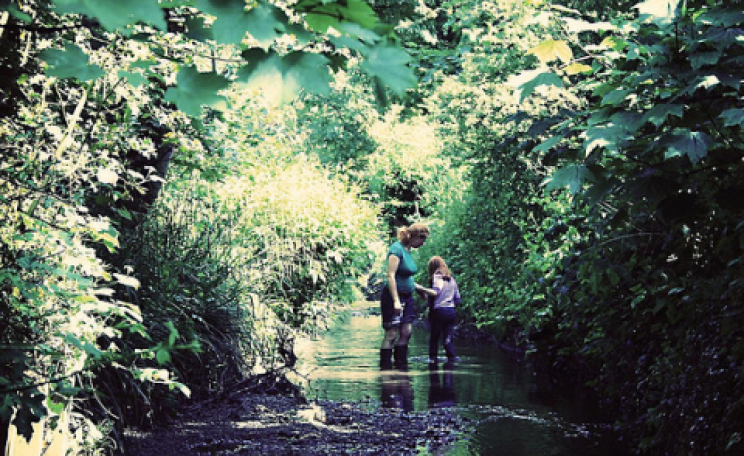
Cities all over Britain are threaded by 'lost rivers' that have been hidden away in tunnels and culverts. Jenny Jones argues that it's time to restore them to a more natural state - improving habitats for wildlife and people, and reducing flood risk.
It's not just people, animals and trees that suffer from radiation at Chernobyl, writes Rachel Nuwer, but also decomposer fungi and microbes. And with the buildup of dead wood comes the risk of catastrophic fire - which could spread radiation far and wide.
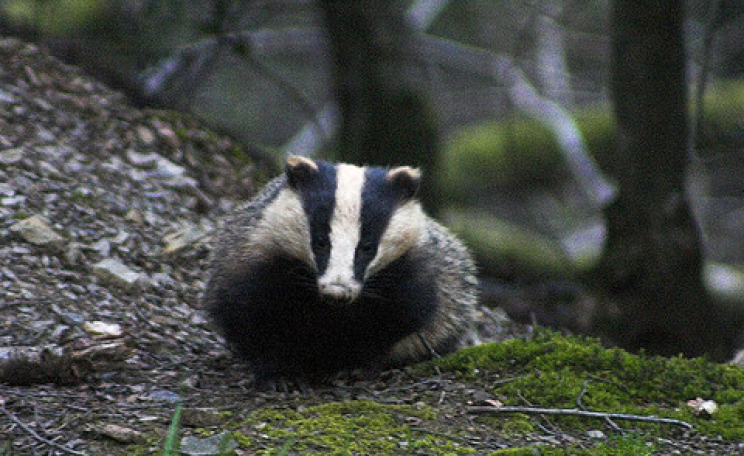
In a ground-breaking decision the BBC has admitted: it was wrong to state that badger culling in the Republic of Ireland had reduced incidences of TB in cattle. Will the decision stop the Government from making the same mistake?
Two unusual political events will take place next week. The Green MP Caroline Lucas goes on trial for protesting against fracking. And Nick Clegg and Nigel Farage go head to head on TV. Rupert Read contrasts the underlying political agendas ...
Systematic, acute, malicious discrimination in access to water in the West Bank and Gaza, combined with massive resource theft, is operated by the occupation authorities and the private water company Mekorot, writes Ayman Rabi on UN World Water Day.
Scientists think the amount of methane emitted to the atmosphere from freshwater ecosystems will increase as the climate warms, reports Tim Radford. And that will trigger further warming.
Climate policy could bite on fossil fuel resource values much faster than financial markets anticipate, writes Sam Fankhauser. It's time investors wised up to the hazards of investing in fossil fuels, when two thirds of them may have to remain unexploited.
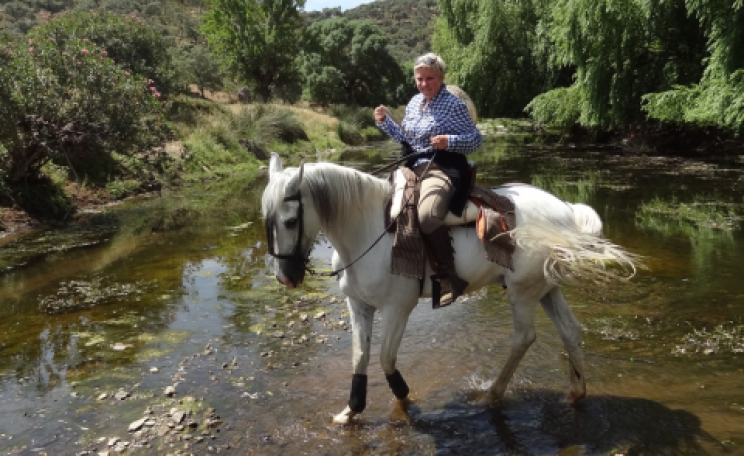
The tree-clad hills of Spain's Sierra de Huelva retain their beauty, wildlife and traditions, writes Jan Nimmo, who has speant a decade exploring the area on horseback. Just one thing is missing: the throngs of people that once inhabited and managed the land.
As the US and EU apply sanctions on Russia over its annexation' of Crimea, JP Sottile reveals the corporate annexation of Ukraine. For Cargill, Chevron, Monsanto, there's a gold mine of profits to be made from agri-business and energy exploitation.
The basic premise of this week's budget is that 'growth is good' and must be sought at all costs. But as Rupert Read writes, this is transparent nonsense. Growthism is an outdated ideology that must be thrown out - and replaced with 'ecologism'.
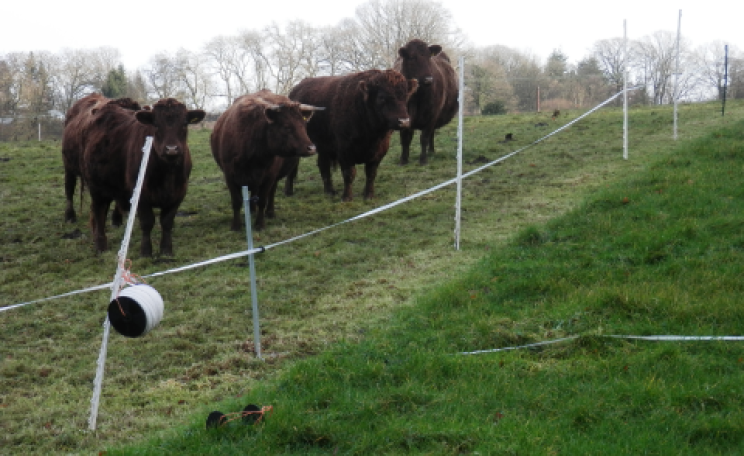
Managing grasslands in a way that mimics natural grazing by wild animals improves water infiltration, reduces erosion, conserves nutrients, reduces costs, raises production and increases profits, writes Natasha Giddings. Why isn't everyone doing it?
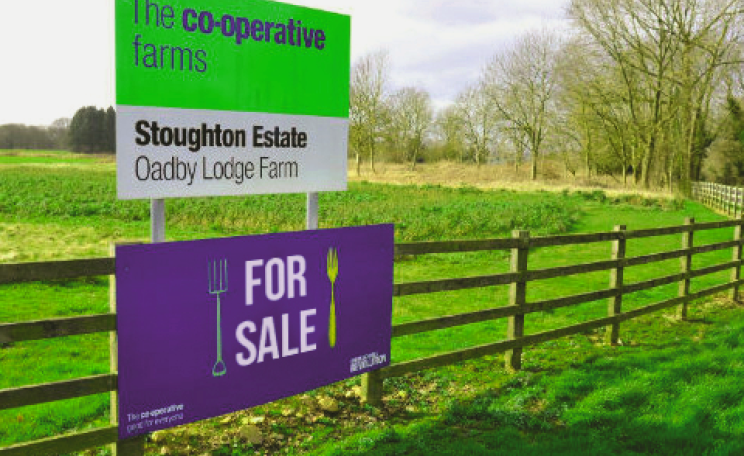
The Co-operative Group is in deep trouble. Its response is to sell off its farms, in defiance of all its founding values. Instead it should reconnect with its original purpose, write Helena Paul & Pete Riley, and seek creative and truly co-operative solutions.