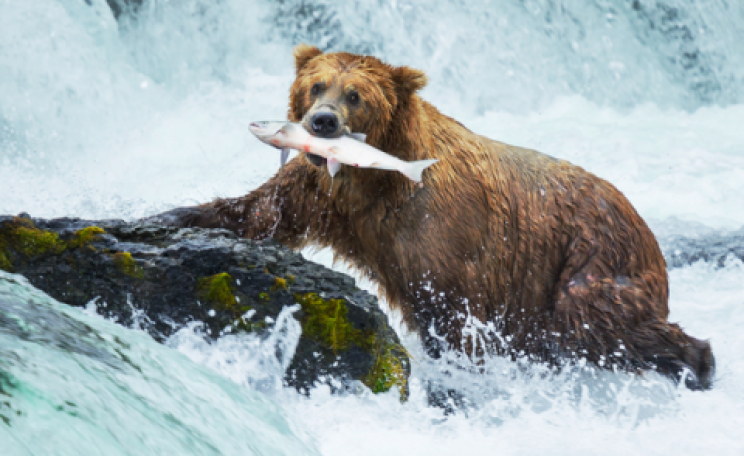
The Grizzly bear hunting season is under way in British Columbia, Canada. The government claims that the decision to open the hunt and the kill quotas are 'science-based' but as Kyle Artelle writes, science doesn't get a look in - and the Grizzlies' are in serious danger.
The UK tried to make the EU relax its rules on State Aid to allow subsidies to nuclear power. Now we know - it failed. The chances that the Hinkley C power station will ever be built have fallen another notch.
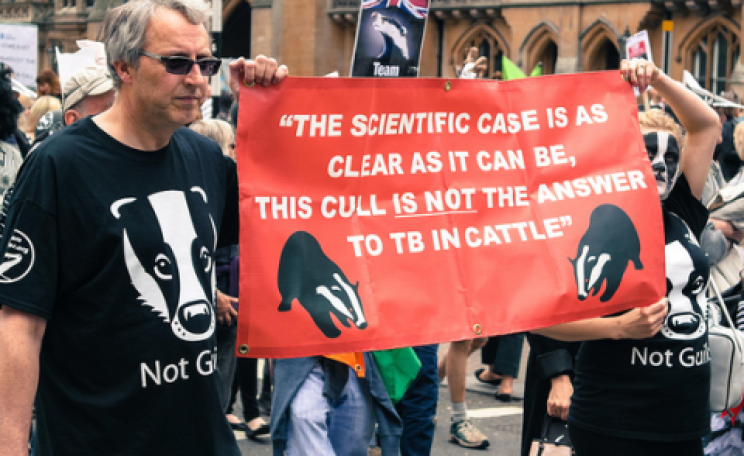
Paterson's speech to Parliament on the continuation of the badger cull was not so much a masterpiece of deception, writes Lesley Docksey, as a crude botch-up of errors, wrong statistics and a failure to understand the very real problem of TB in cattle.
Fermentation is far more than a way to prepare diverse, delicious and wholesome food, writes Joanna Wright. It is a means for us to connect with the ancient past, with the world around us, and with our own selves. Are you ready to try it?
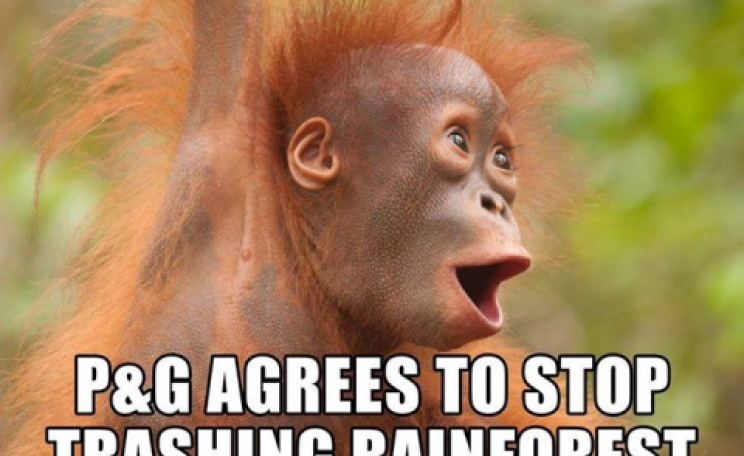
Procter & Gamble has committed to use only 'no deforestation' palm oil by 2020. Greenpeace claims success for its campaign, focused on Head & Shoulders shampoo.
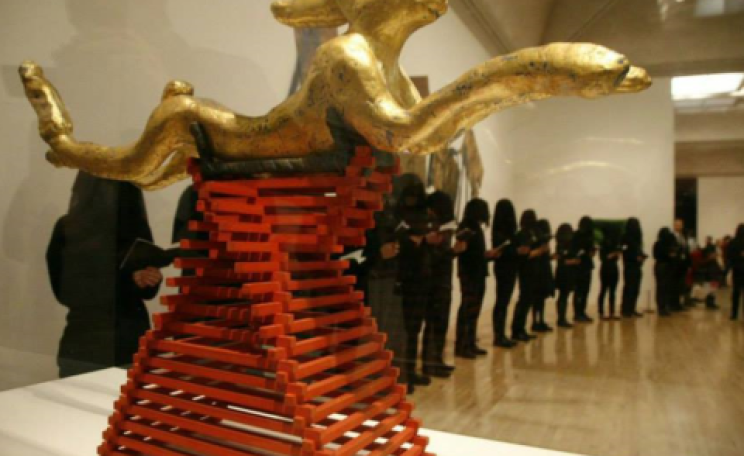
BP and other fossil fuel companies love to sponsor high art to preserve their 'public licence to operate', writes Kevin Smith. But why is Tate so keen to take the relatively trivial sums on offer. And why the unbending information blackout?
Police violence has been a running theme in the anti-fracking protests at Barton Moss. Individual officers are acting with impunity. Is this a deliberate strategy to disrupt the protests on behalf of vested interests? David Cullen investigates ...
Anyone working to protect badgers from culling will know of Dominic Dyer - wildlife advocate and new director of the Badger Trust. Lesley Docksey met him 'on the hoof' at a recent march - and found out just why the badger campaign is so important to him.
A Bushman from the Central Kalahari travelled 5,000 miles from his home in Botswana today to tell the Prince of Wales, ‘We're not poachers - we hunt to survive. Persuade Botswana to change its policies, or the Bushmen will soon be finished.'
Those caught up in nuclear disasters suffer many times over, writes Robert Jacobs. Ill-health and early death aside, they are also cut off from their former communities, identities and family life, and the victims of social and medical discrimination.
As the European Commission considers the £100 billion subsidy package the UK has offered EDF to build and operate Hinkley C nuclear power station, Paul Dorfman explains why the 'deal' is illegal, anti-renewables, and ruinous to energy users and tax payers.
The UK should continue to use nuclear power, in order to reduce greenhouse gas emissions, writes Stephen Tindale. It should also test new nuclear technologies that can burn plutonium, such as the PRISM reactor, and develop molten salt reactors.
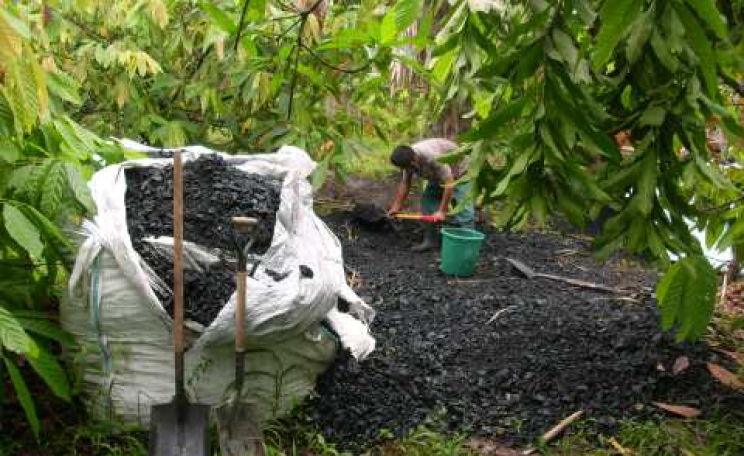
New research shows that biochar in soil strongly stimulates plant growth, more than doubling yields. However the extra growth may come at the cost of reduced plant defences against pests.
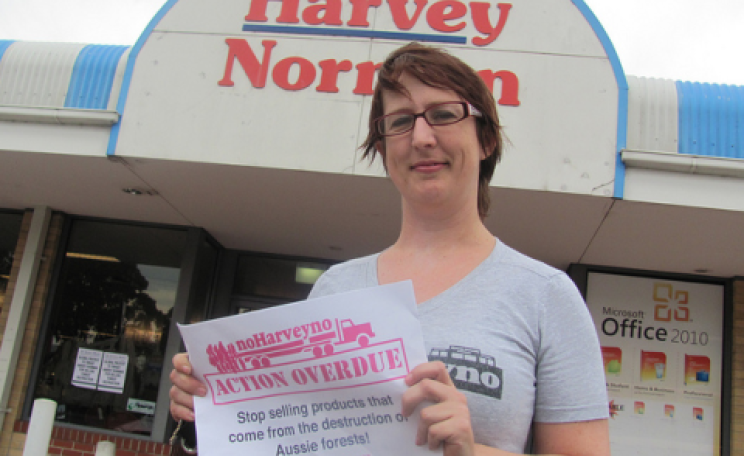
In a radical departure from it's 'pro free speech' rhetoric, Australia's 'Liberal' government wants to ban environmental boycotts. But as Bill Laurance writes, eco-boycotts are not only an effective tool for reining in corporate excesses - they are also a key democratic right.
A 'slow genocide' is unfolding in Ethiopia - one driven by greed rather than hatred. With Chinese and World Bank finance, massive dams and plantations are robbing the Omo Valley's 500,000 indigenous people of their land and water. The UK 'sees no evil'.