It was 28 years ago today that Reactor 4 at the Chernobyl nuclear plant in Ukraine ruptured and ignited, sending a massive plume of radiation across Europe. Jim Green assesses the scientific evidence for how many people died as a result of the catastrophe.
The world is facing the imminent threat of severe climate disruption from the warming Arctic, write Robert & Jack Hunziker, leading to a global crisis. But the response of the powerful is only to increase fossil fuel exploitation - and damn the consequences.
New York has approved a major expansion of the state's 'NY-Sun' initiative - a program that is boosting solar power across the state. The program has been extended through 2023 and aims to deliver a tenfold increase in the clean energy source.
For the US fracking industry - and for Vice-President Joe Biden - fracking is more than just a way to bring in vast amounts of cash, writes Steve Horn. It's also a key weapon in the US's long war with Russia, as Biden made clear this week in Kiev.
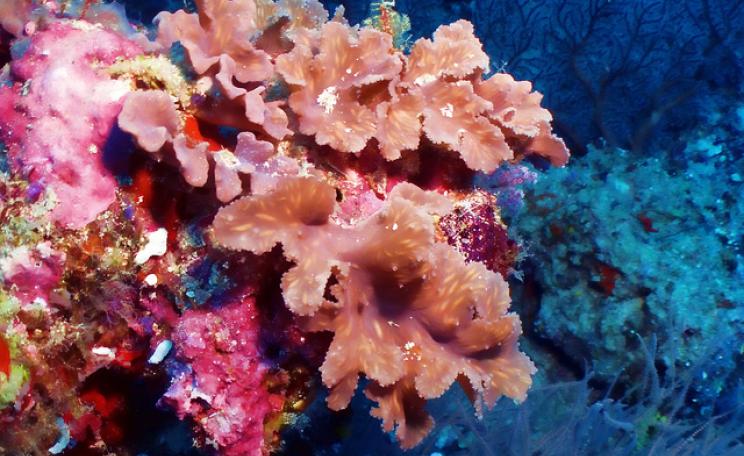
It is widely predicted that low-lying coral islands will drown as sea levels rise, writes Paul Kench - leaving their people as environmental refugees. But new evidence suggests that these small islands are more resilient to rising seas than we thought.
Ethiopia leads the way in preserving crop seeds by engaging farming communities in the effort, and making the exchange of seeds part of village life and culture, reports Claire Provost. But now it's all at risk from a G8 plan to open Africa to corporate agriculture.
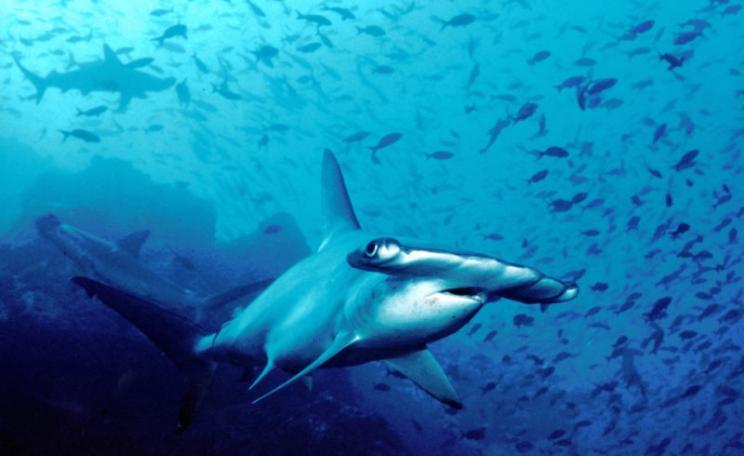
A Pacific island paradise 340 miles from Costa Rica's coast should be the ideal place for marine conservation, write Julia Baum & Easton R. White. But while its waters are indeed teeming with life, steep population declines in key shark and ray species show that stronger protection is badly needed.
In 2011 Bob and Lisa Parr filed a lawsuit in the Texas courts against Aruba Petroleum after they suffered health damage which they attributed to pollution from fracking wells. They have now been awarded $3m damages.
New scientific research shows that culling badgers can increase local hedgehog numbers. As UK hedgehog populations continue to decline, Hugh Warwick asks - are badgers to blame? Or does the real problem lie elsewhere?
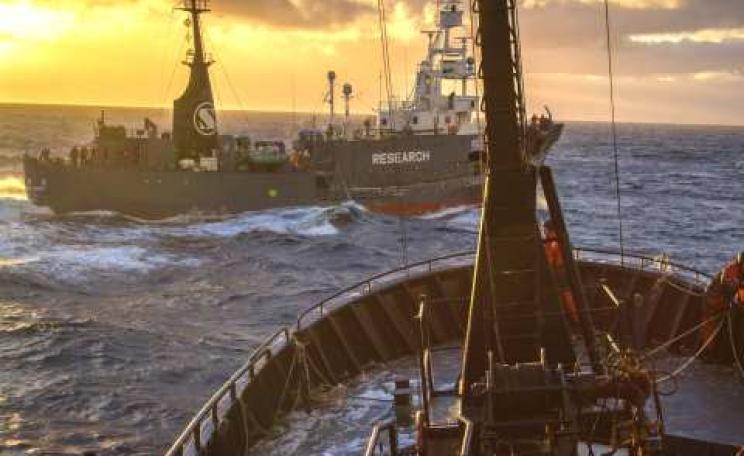
Following the ruling by the International Court of Justice that Japan's whaling in the Antarctic is illegal, Elizabeth Claire Alberts examines the legal, financial and practical challenges of a continued whaling program - with some help from Sea Shepherd's Captain Paul Watson.
As the destruction of the biosphere continues, we need to establish new legal systems to protect what remains. Mumta Ito proposes a new beginning for environmental law based on extending 'civil rights' to the natural world.
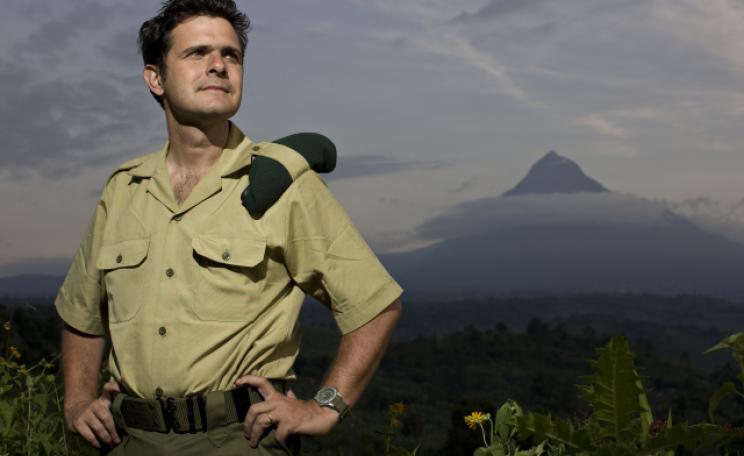
Following the shooting of Virunga's chief warden last week, WWF is calling on UK oil company Soco International PLC to pull out of the Park and respond to allegations made in a new documentary premiering at the Tribeca Film Festival.
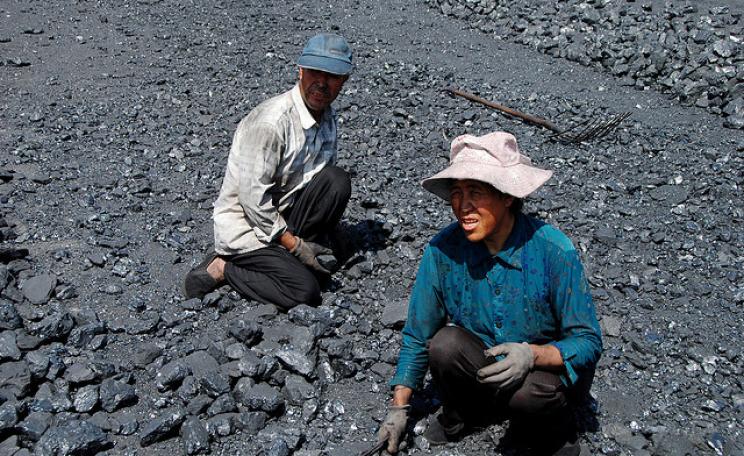
Japan is the world's biggest financier of coal development, setting developing countries on a dirty, coal fired energy track. As President Obama visits Japan, Nicole Ghio urges Prime Minister Shinzo Abe to re-apply its coal billions to build a clean, renewable energy future.
In the four years since the Deepwater Horizon blowout there's been a lot of regulatory activity, writes Jacqueline Lang Weaver. Yet the regulatory framework today is weak, complex, under-funded, industry dominated - and it's uncertain that the Gulf of Mexico is really any safer than in 2010.
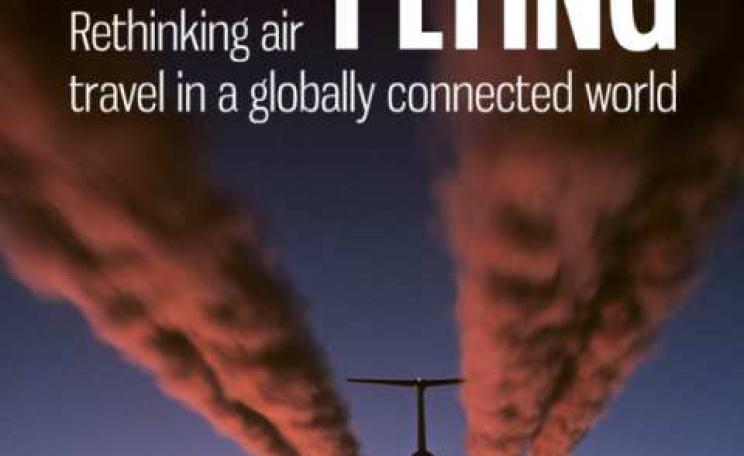
For today's tourists and travellers the elephant in the room is the jumbo jet which whisks us to our destinations - but pollutes the air, promotes destructive development, and isolates us from the the real world. Rose Bridger reviews 'Beyond Flying'.