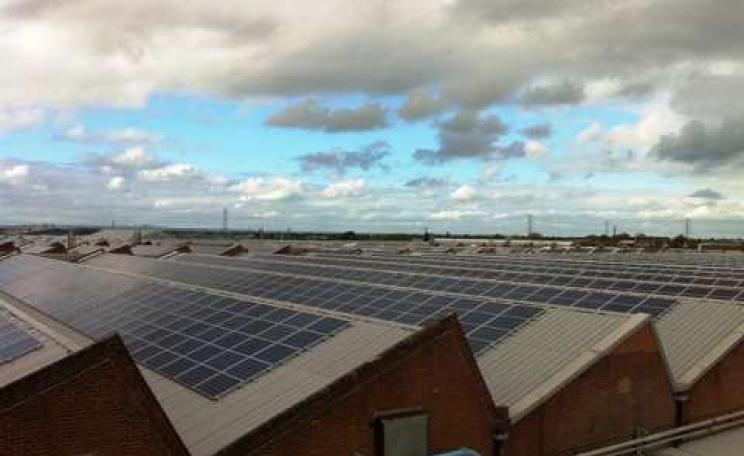
Not only does the Government hate onshore wind, now it's turning against large scale solar. Its latest 'big idea' is to lock projects above 5MW out of the Renewables Obligation, while keeping tight limits on rooftop schemes.
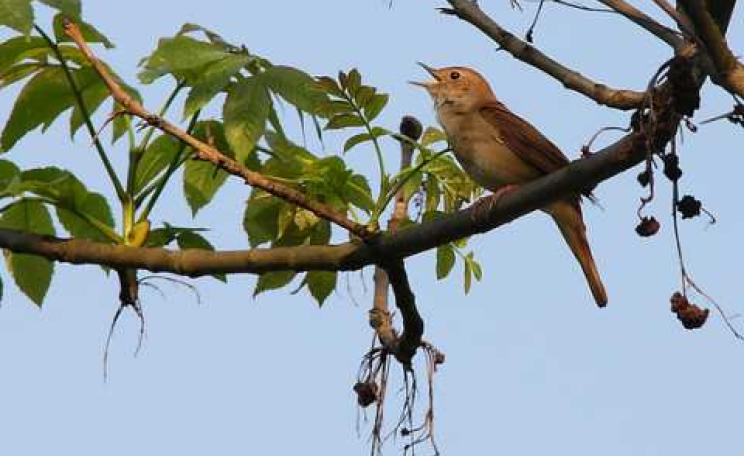
Britain's nightingales are in decline - not least because of intensive farming, and our insistence on building over their last refuges. But their song is as unforgettable as ever, writes Chris Rose, and that will surely be the key to valuing them more ...
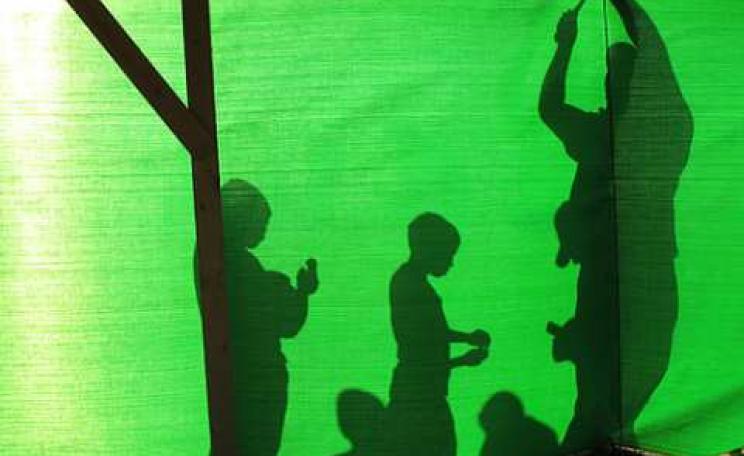
Children are an indicator species for the health of our communities, writes Melissa Henry - and they are being forced off our streets by traffic. This adds further to traffic and pollution as children are driven everywhere, depriving them of exercise. It's time to break the vicious circle!
The North Sea's 'Dogger Bank' was once dry land, inhabited by people and herds of Pleistocene megafauna, writes Vince Gaffney. The long-lost world of Doggerland shows how melting glaciers drowned land at the end of the last ice age. And surely not for the last time ...
Since July 2010 the Bedouin village of Al Araqib in the Negev desert has been demolished 68 times, writes Silvia Boarini. Many have fled but those that remain are determined to stand their ground: 'They can demolish us 100 times, but we're not going anywhere.'
Precious Siamese rosewood has been illegally logged to the brink of extinction in the Mekong region to feed a voracious demand for luxury furniture in China which leaves a bloody trail of death, violence and corruption in its wake.
HS2, the UK's £50bn+ high-speed rail project to speed travel between London and Birmingham - and eventually Manchester and beyond is colossal waste of money, writes Rupert Read. The resources should be used to fund sustainable local and regional transport schemes.
David Cameron has promised to suspend incentives for onshore wind farms if he is re-elected in 2015, writes Alan Whitehead. But how exactly will he replace the 8GW of planned wind capacity that will not be built?
Forest fires are invariably portrayed as fiercely destructive environmental calamities. But for the native forests of the American West, large fires are essential to ecological renewal. Contrary to the mantras of logging companies and forest service officials, we suppress them at our peril.
GM crops that resist herbicides are bringing ever higher levels of toxic chemical residues to our food, even mothers' milk, writes Pat Thomas. As the 'endocrine disrupting' effects take place at minute concentrations, there is only one answer - to keep the herbicides off all food crops.
How we feed ourselves sits at the crux of all human affairs, writes Joanna Wright - the health of our bodies and communities. Far too important to leave to industrial farms and processors, it's something we can all begin to do for ourselves.
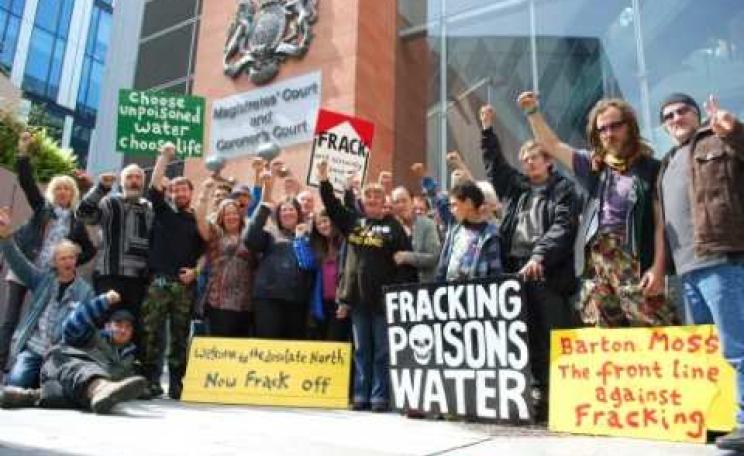
Large-scale fracking is a must for the UK economy, says a new report from the House of Lords. But it confuses opinion with fact, cherry-picks data, and six of its authors have a stake in the industry. The real solutions, writes Tony Bosworth, lie in energy efficiency and renewables.
Days after our exposé of a policing disaster at England's 2013 badger culls, the Police Commissioner for Gloucestershire is to question the county's most senior police officers. The event will be video-streamed online.
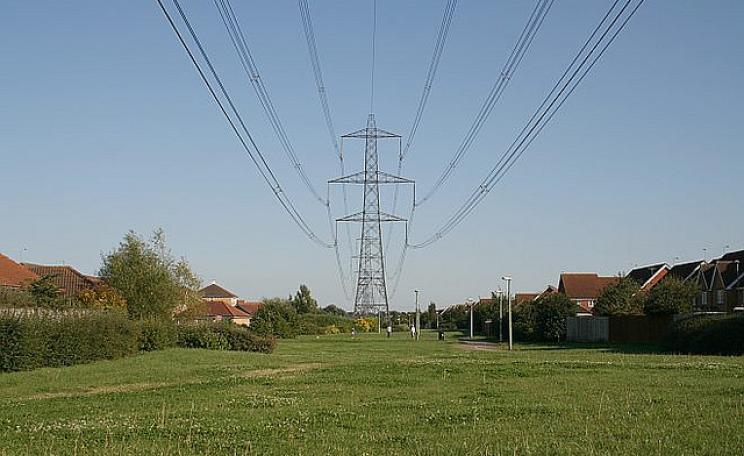
The risk of leukemia for children living near power lines closely tracks levels of radiation from nuclear bomb test fallout, writes Chris Busby. The obvious explanation the 'experts' have chosen to ignore: the electro-magnetic fields increase radiation exposure.
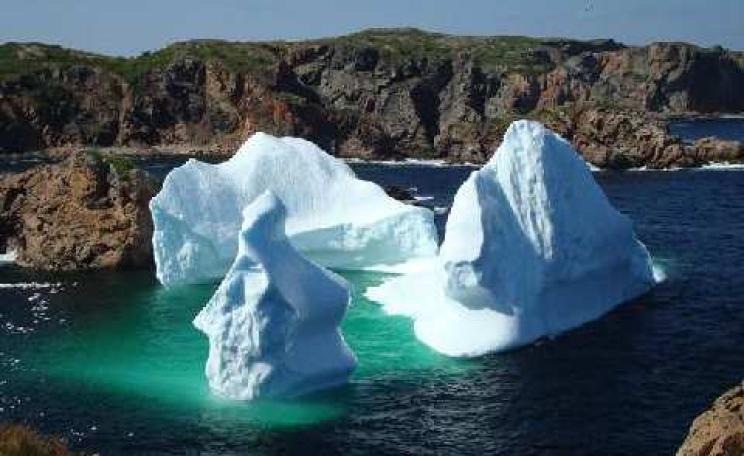
This chronicle of over two centuries of melting Alpine and polar ice, seen through the works of contemporary artists, is at its best both powerful and provocative, writes Martin Spray. But he wonders - is art really such an effective force for environmental protection?