Eating wild plants and mushrooms is a pleasure we should all indulge in, believes open air gastronomist Humphrey Birley - and this new edition of 'Wild Food : a complete guide for foragers' is just what's needed to get us exploring woods, hedgerows, meadows and salt marshes in search of edible delicacies.
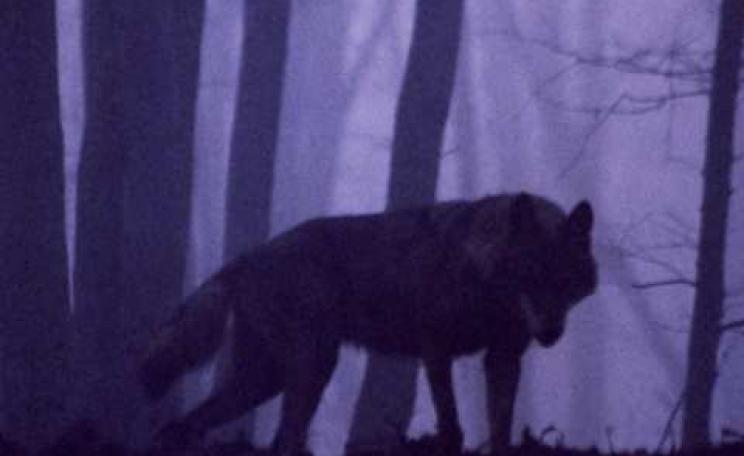
On paper, Romania has a thriving wolf population. But Luke Dale-Harris finds that the official view is based on erroneous figures from hunting associations who are, bizarrely, responsible for wolf conservation. The truth is that the wolves are at serious and growing risk.
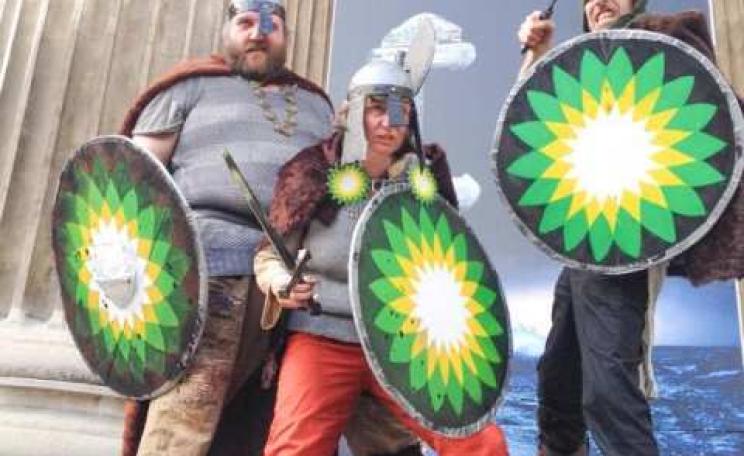
Theatrical protest group the Reclaim Shakespeare Company has invaded the British Museum and held a surprise performance challenging BP's sponsorship of the popular Vikings exhibition.
The decline of Arctic sea ice demands a response, writes Matthew Worsdale. As Arctic temperatures rise, so does the danger of huge eruptions of methane - a powerful greenhouse gas - that will tip the climate into 'hot'. The only solution is geo-engineering.
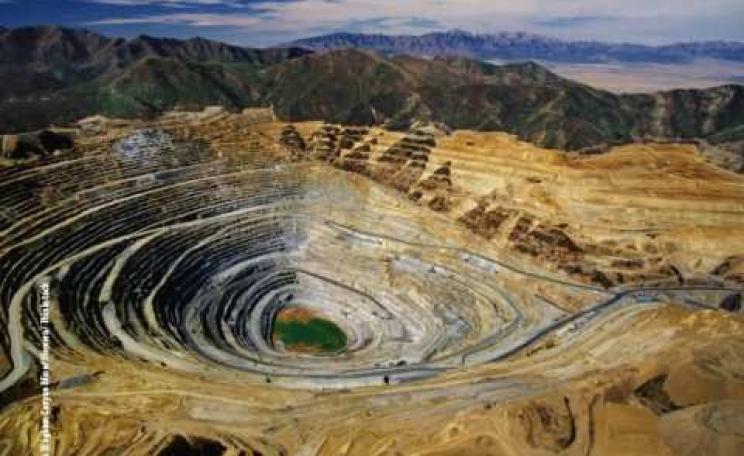
Deep in Ecuador's Amazon rainforest, a gigantic open pit copper and gold mine is planned in the heart of the Shuar peoples' territory. David Dene tells the story of a growing international campaign to uphold and defend the 'Rights of Nature', in Ecuador and beyond.
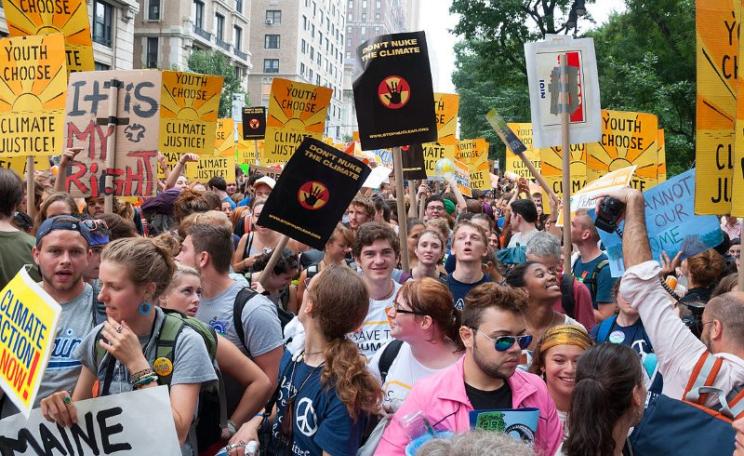
After 99 days of Donald Trump's presidency, his only achievement is to pursue his anti-climate, anti-environment agenda with a cruel passion that is already alienating a clear majority of Americans, writes Jeremy Brecher. The Peoples Climate March tomorrow will signal the strength of the fightback. And while there will be no overnight victory, a national, indeed a global movement is forming to resist Trump and bring the age of fossil fuels to its long overdue end.
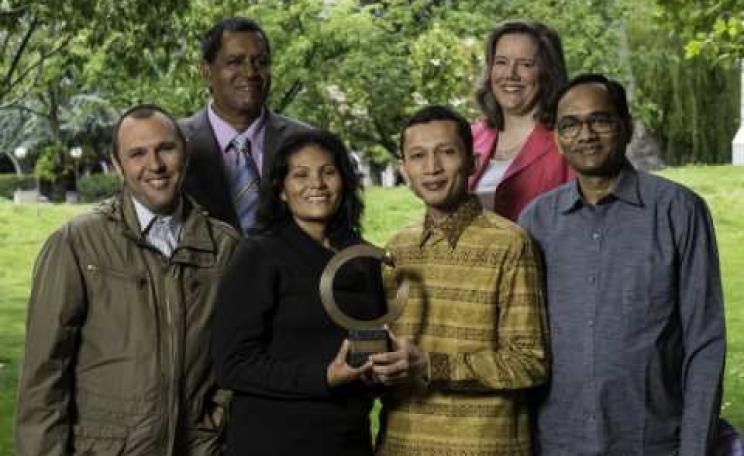
Six environment heroes, one from each continent, are honoured for their work today - fighting threats from giant coal mines to forest destruction, fracking, high dams, illegal development and toxic waste dumps. Sophie Morlin-Yron reports.
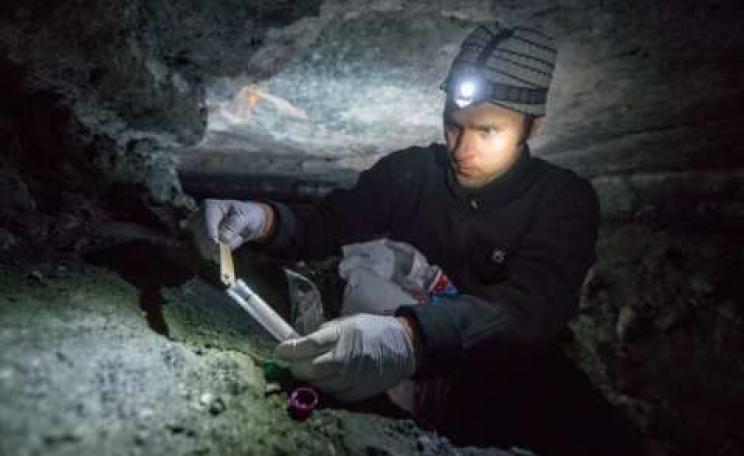
2014 Goldman Prize winner Suren Gazaryan took on the Kremlin in trying to block illegal development at the Sochi Olympics and on the Black Sea coast, writes Sophie Morlin-Yron. Forced to flee to Germany, he can finally get down to researching his beloved bats.
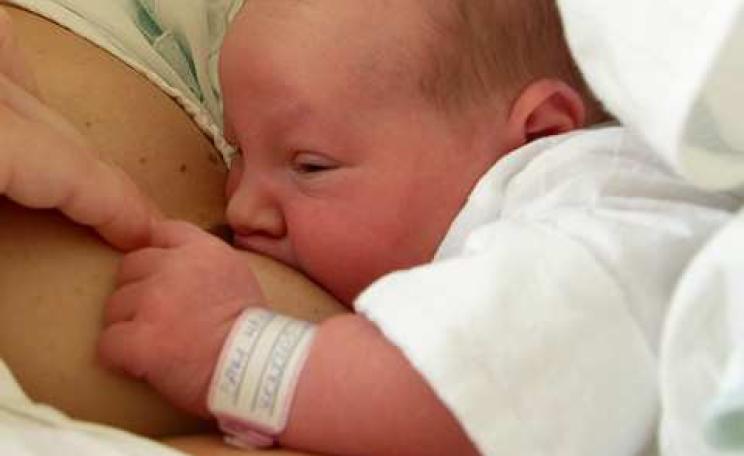
A pilot study of American mothers' milk has found levels of the herbicide glyphosate around 1,000 times higher than allowed in European drinking water. Campaigners are demanding a ban on the use of glyphosate on food crops.
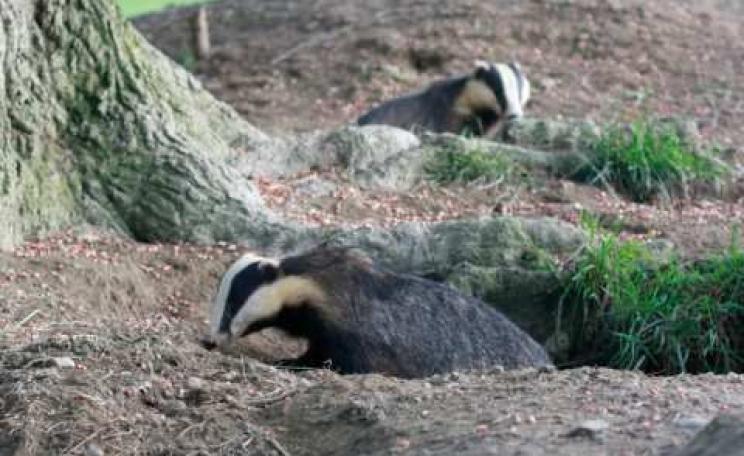
You would think vets would take animal welfare seriously, writes Lesley Docksey. So why does the British Veterinary Association (BVA) support England's badger cull - when all the science is telling them it's both cruel, and ineffective against Bovine TB?
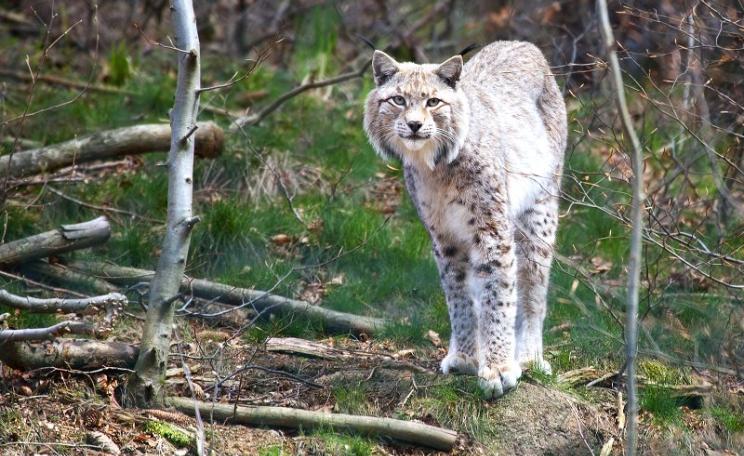
Lynx could be re-introduced to sites in England and Scotland before the end of 2015, according to the Lynx UK Trust, which has just issued polling and survey results that show strong support for the idea among the UK population.
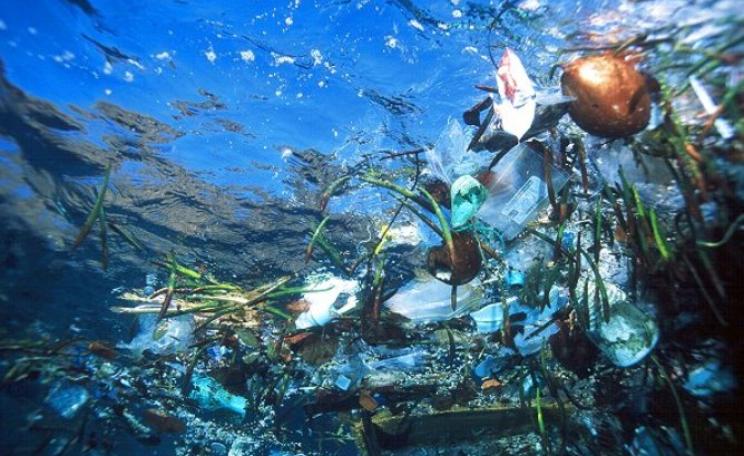
Eighty percent of marine rubbish originates on land - via storm drains, overflowing landfills, and uncontrolled dumping in rivers. And once it's in the sea, no one is responsible for it, writes Alistair McIlgorm. It's high time for governments to clean up their act.
Singer-songwriter Kristin Hoffmann reflects on the natural and divine inspiration that underlies her music, and urges us to both listen and play to rediscover the inner harmonies that are so easily obliterated by the brute cacophony of industrialism.
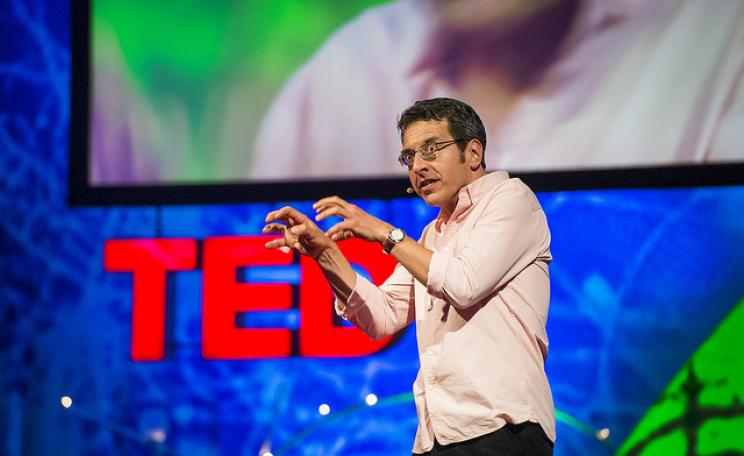
Marking 'Chernobyl day' 2014, a website is launched that calls for the arrest of writer George Monbiot for 'Nuclear Crimes against Humanity and the Environment'.
Barys Piatrovich recalls the tension of unknowing during the days that followed the Chernobyl disaster. Today, barely any of the evacuees are still alive. Dispersed throughout the country, they died alone and unnoticed, statistically insignificant.