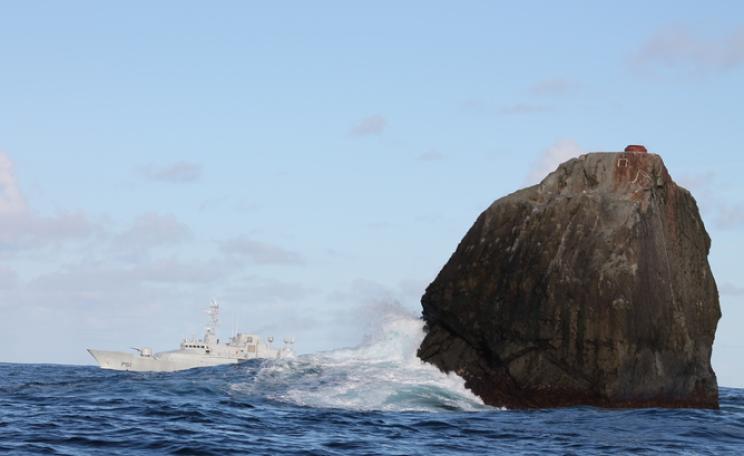
The US threatens to attack Iran if it tries to build a nuclear bomb, yet the US and other nuclear WMD states have ignored their treaty obligation to work toward nuclear disarmament, writes Rober Dodge. Now the Marshall Islands has gone to court to enforce compliance.
A massive citizen-powered climate simulation conclusively links the UK's winter floods to global warming, writes Simon Redfern. Over 33,000 climate models running in 'screen saver' mode show a powerful connection between hotter oceans and UK rainfall.
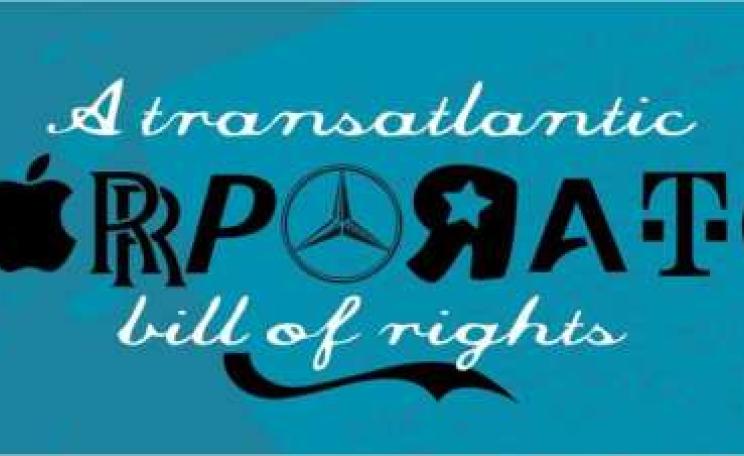
Major world trade deals now under negotiation would allow corporations to sue governments for billions if they tighten up laws and regulations, writes Thomas McDonagh. But increasingly countries are rejecting these dispute mechanisms that undermine sovereignty and democracy.
Ten years ago, Mo and Dave fell in love, writes Helen Leavey - with a ruinous but romantic water mill in Yorkshire. It was the beginning of a fabulous restoration adventure, and the mill is now an exemplar of renewable energy generation and a thriving education centre.
Opponents of nuclear power rightly focus on issues of cost, operational danger and waste disposal, writes David Lowry. But they should not forget the towering 'elephant in the room' - nuclear security and the risk of proliferation and terrorist attacks.
The Non-Aligned Movement has reiterated the demand for Israel, the only country in the Middle East that has not joined the Non-Proliferation Treaty, to 'renounce possession of nuclear weapons' and join the Treaty without delay.
Nearly 100,000 people have pledged to risk arrest if the Obama administration approves the Keystone XL pipeline. Among them is Jeremy Brecher, who believes that the real criminals are governments who betray their fiduciary duty as trustees for the public good.
To tackle the world's most pressing problems, writes Winslow Myers - like climate chaos, insecurity, hunger, poverty and disease - we must build a life-affirming peace free of the Earth-destroying nuclear weapons whose dark shadow bears down on us all.
With the help of some clever engineering, writes Paul Brown, the power of the Sun can now produce electricity on demand - day and night, bright or cloudy. The key technology has just won a prestigious DESERTEC Award.
Left-wing, progressive politicians hold sway across Latin America, writes Benjamin Dangl. But defying their own 'green' rhetoric, they are committed to mining and other environmentally damaging development. Now they face growing resistance from small farmers and indigenous peoples.
One of the world's biggest fund managers has joined forces with London's FTSE group, writes Rebecca Cooke, to steer investors away from putting their money into risky oil and coal investments.
For just 8% of the fish landed, extraordinary, beautiful, ancient, diverse deep sea habitats are routinely destroyed by fishing gear. And as J. Murray Roberts writes, it's all for a one-off hit as the fish are so slow to grow and reproduce. If the same damage happened on land, there would be uproar.
Extensive, long running evidence for the cancer-causing effects of glyphosate, and other toxic impacts, have been ignored by regulators. Indeed as the evidence has built up, permitted levels in food have been hugely increased, writes Dr Mae Wan Ho.
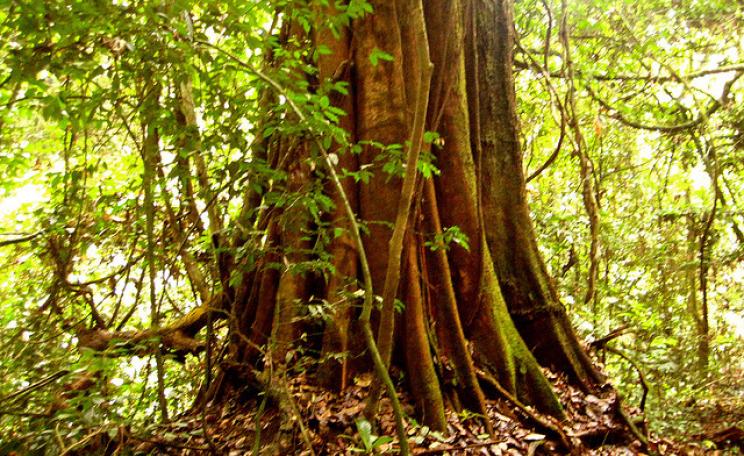
Scientists have found that the world's second greatest rainforest, the Congo, is losing its green, writes Tim Radford. As temperatures rise and rainfall reduces, the forest canopy is taking on a browner hue, and this could be an early signal of worse damage to come.
Well-being is not just a luxury for good economic times, writes Christine Berry. Reducing poverty and promoting equality are more important economic goals than the pursuit of endless growth.