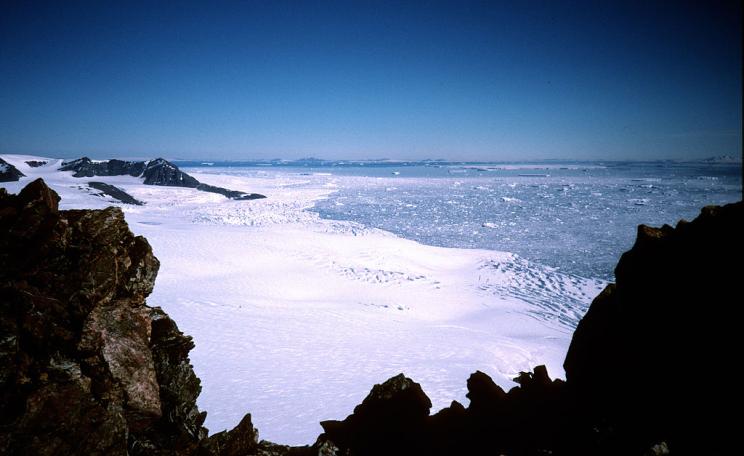
The East Antarctic ice sheet is thought by most scientists to be stable, reports Alex Kirby. But a German team says it has found how a large part of it could in time melt unstoppably, causing a long term 4 metre rise in global sea levels.
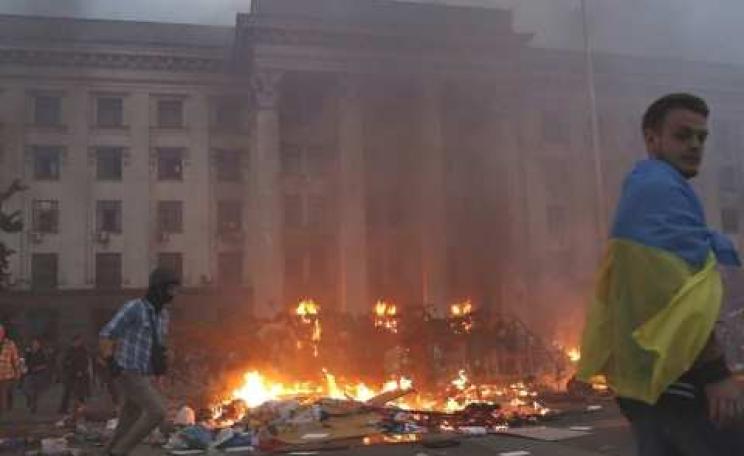
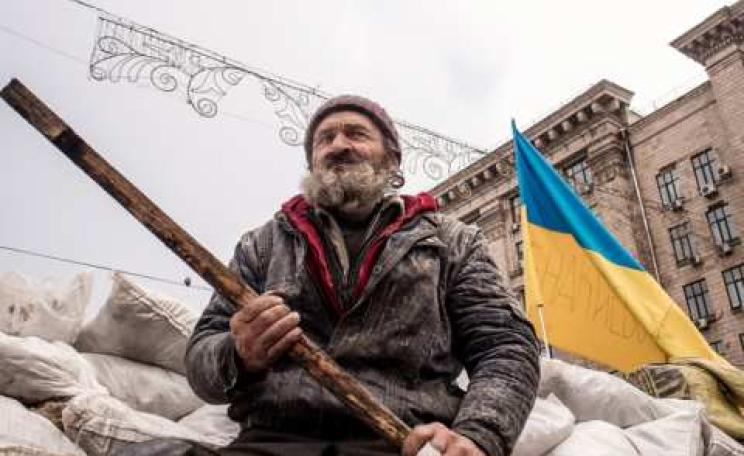
The mainstream media are working hard to obscure NATO's hideous plot to rekindle the Cold War in Ukraine, writes Diana Johnstone, as they seek to engineer our 'consent' for yet more heinous acts to come. To prevent the horror of a full scale war, first we must grasp the truth.
Our current approach to climate change is strengthening the ideological substructure that is devouring our planet. Charles Eisenstein urges us to tackle the problem at a fundamental level and to focus on the health of humans and natural systems.
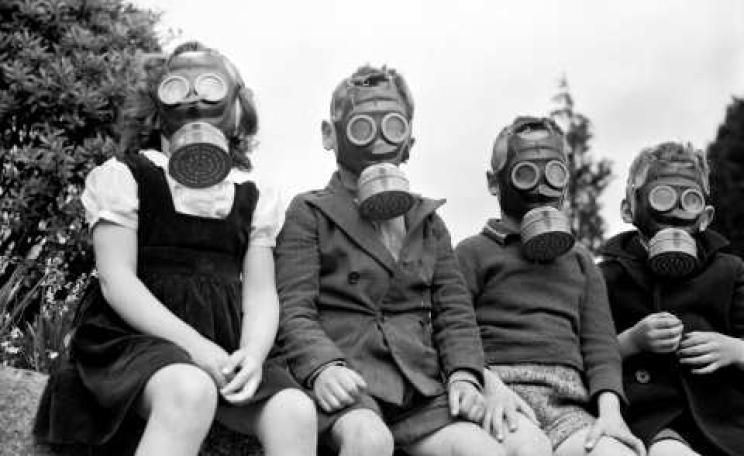
The US looks set to approve GM crops that resist the 'Agent Orange' pesticide 2,4-D as well as glyphosate, writes Helena Paul. If it does, the toxic chemical - created in WW2 to destroy enemy food supplies - will soon end up in animal feeds, and the food we eat.
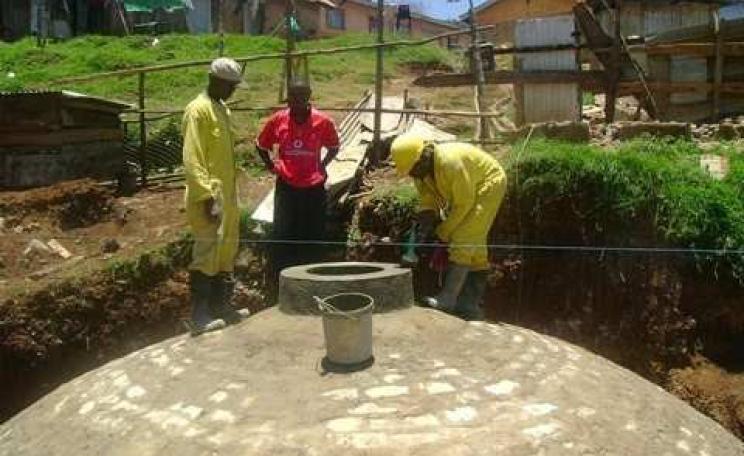
Biogas digesters are a key technology for global sustainable development, writes John M. Hawdon. They simultaneously combat parasites that infect a billion people, reduce deforestation and methane emissions, and deliver vital energy to rural communities.
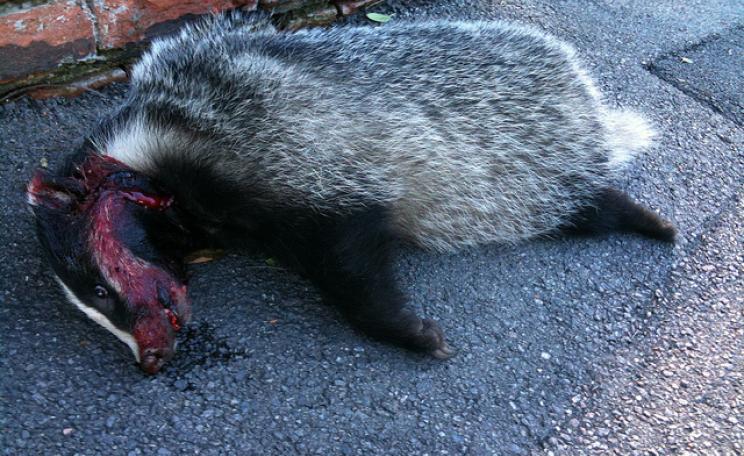
In its report on last year's pilot badger culls, the Independent Expert Panel (IEP) judged that the culls failed the criteria for effectiveness and humaneness, but satisfied those for safety, writes Lesley Docksey. The facts say otherwise.
The Keruak Corridor in Malaysian Borneo - a critical area of rainforest which links protected areas sheltering increasingly endangered orangutans - has been secured, with £1 million raised to buy the land.
Across Africa, corporations are grabbing community land and water - and nowhere more than in Liberia, where half the country has already been lost. But one community has shown it's possible to overcome intimidation, organize and resist.
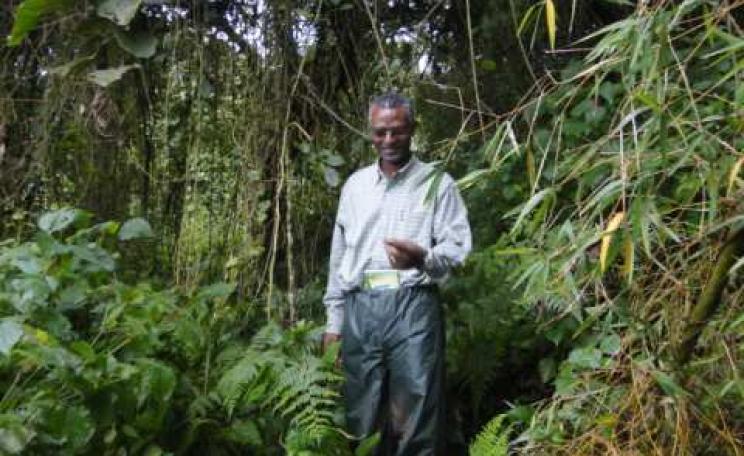
The 1994 genocide in Rwanda could easily have finished off the mountain gorillas of the Virunga mountains. The fact that they survived is in large part thanks to Eugene Rutagarama. He spoke with Veronique Mistiaen about the primates' future prospects ...
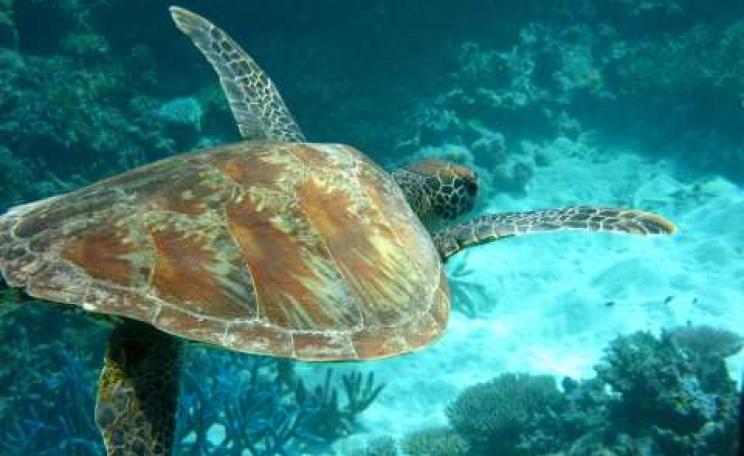
Australian environmentalists have launched a lawsuit against plans to expand a coal port that threatens the Great Barrier Reef, writes Maxine Newlands. The approval came in spite of warnings from UNESCO and marine scientists that the Reef is already 'in danger'.
Public Health England is guilty of gross scientific misconduct, writes Paul Mobbs, for its apparently deliberate whitewashing of the public health impacts of fracking. But it's all part of a pattern of maladministration that reaches to the heart of government.
The EU is in a unique position to save Ukraine from becoming a failed state, writes Michael Emerson, by creating a lightly armed tripartite peacekeeping force of EU, Ukrainian and Russian personnel. But it must act swiftly!
Apple is moving to 100% renewable energy, worldwide, writes Robert Hunziker. But even better is CEO Tim Cook's fierce put-down to fossil-fuelled, climate skeptic shareholders: 'if you don't like it, sell!' Suddenly the politics of climate change in the US shifted ...
The growth of food banks reflects a simple truth: the government does not care about hungry families, writes Rupert Read. To tackle hunger, work must pay a living wage, social security must do its job, and communities must rebuild local food networks.
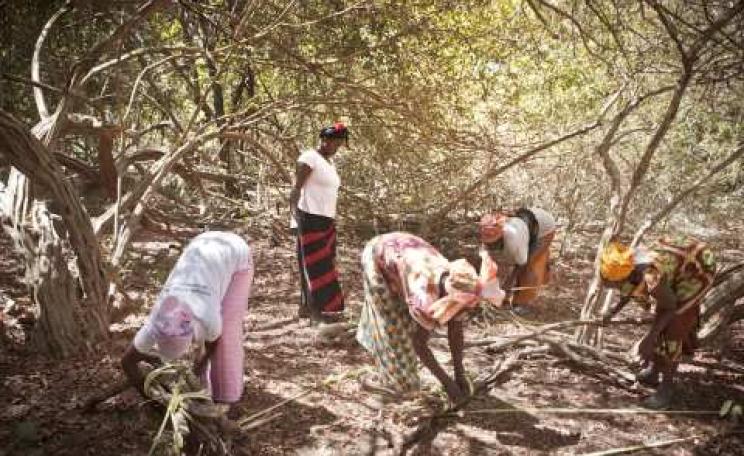
Civil war in Casamance, a forested area of Senegal, has been fought for 30 years, while an illegal timber trade has boomed amid the insecurity. Louise Hunt reports on how community forestry is bringing peace to the region - and restoring life to the forests.