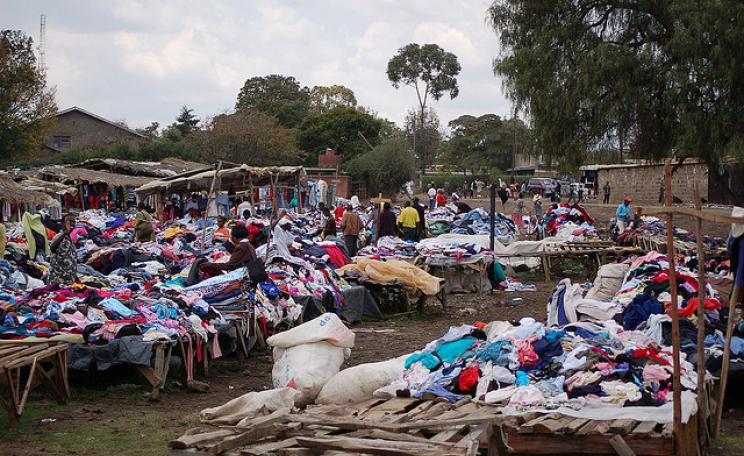
Our economies and our jobs depend on mass consumption, argues Oliver Williams. If we all consume less to save the planet, the economy will tank and millions will lose their jobs. The answer is not frugality, but reductions in population.
The Swedish island of Runmarö provided Fredrik Sjöberg with a collector's paradise of hoverflies, and the perfect setting for his passionate search through forests, ponds and swamps in the flies' pursuit. Camilla Huxley-Lambrick dissects The Fly Trap ...
Ecuador is facing an unprecedented confrontation between a 'progressive' left-leaning government and a national coalition of indigenous peoples determined to stop vast oil and mining projects taking place on their community land and villages.
Organic farming has changed, but for the better, writes Soil Association head of policy and Norfolk organic farmer Peter Melchett. As never before, organic inspections are central to the delivery of environmental and animal care, and food you really can trust.
The experience of visiting a zoo is about to change dramatically, writes Robert Young. But far more important than the visitor, zoos will create a far richer, more diverse and stimulating environment for the animals that inhabit them.
The joy of the wild is rooted deep in the human spirit and without it our lives are starved of a vital nutrient, writes Grant A. Mincy. Only through experience of wilderness and its untamed beauty can we be truly human, and only in wilderness can we open our awareness of the perilous wonder of being, and know the freedom that lies within us all.
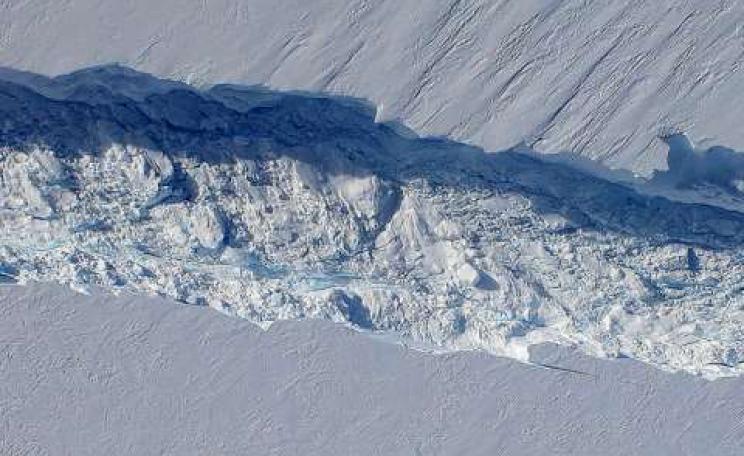
The total collapse of glaciers in West Antarctica is 'inevitable', writes Tim Radford, as the southern hemisphere gets warmer and glaciers are undermined by seawater. The news has emerged from a new analysis of satellite data.
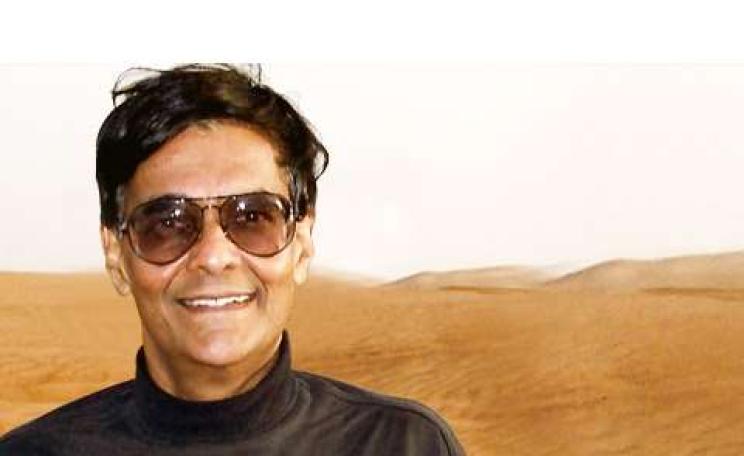
You can actually be better off, healthier and happier with less consumption, says Munasinghe. And it's not just rich countries that need to change, he told Noah Sachs - poor countries too must develop sustainably, or the Earth's resources will simply run out.
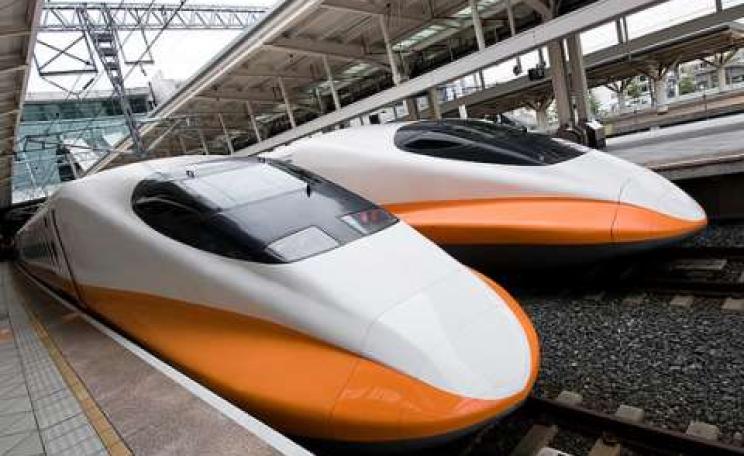
Supporters of HS2 assert that it will cause prosperity to trickle down from London to the entire North of England, writes Tony Payne. But economic theory and hard experience tell us that the reverse is more probable - that it will help London to 'suck out' northern wealth.
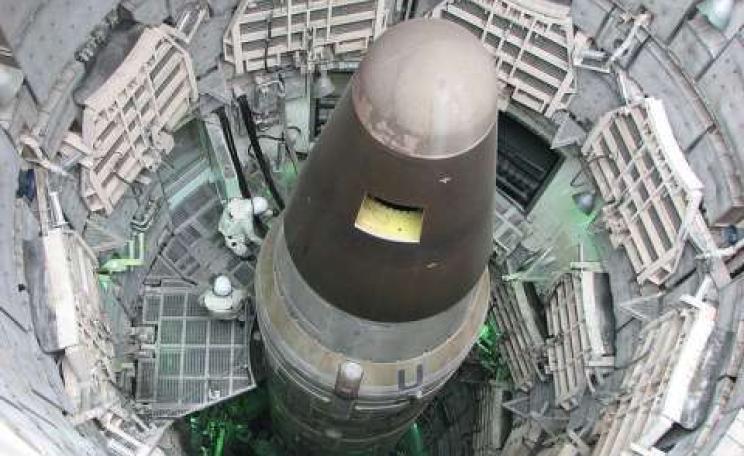
The belief that unilateral reductions in the UK's nuclear weapons arsenal would bring no international benefits is deeply engrained in officialdom, writes Paul Ingram. Deeply engrained - and profoundly mistaken.
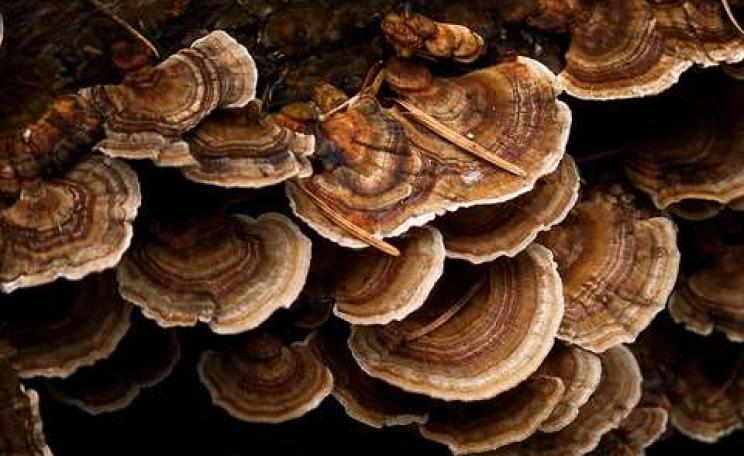
A new system for cleaning soils contaminated with industrial toxins harnesses the power of White rot - a common fungus that decays fallen wood in forests. Research in Finland shows it can also destroy dioxins and poly-aromatic hydrocarbons.
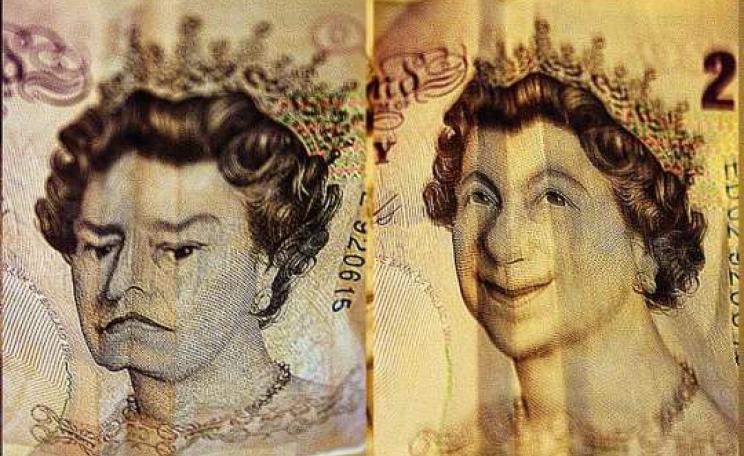
Where does money comes from? In the 97% of the money we use is created by commercial banks out of thin air, as they advance credit. Charlotte Jackson argues that this system costs us all dear - as citizens, debtors, taxpayers, and as victims of economic instability
Elevated urban highways epitomise the dark side of vehicular mobility - polluting, visually brutal, noisy, and contributing to local 'heat islands', writes Marco Picardi. So let's re-engineer them for people and create imaginative urban spaces we can all enjoy!
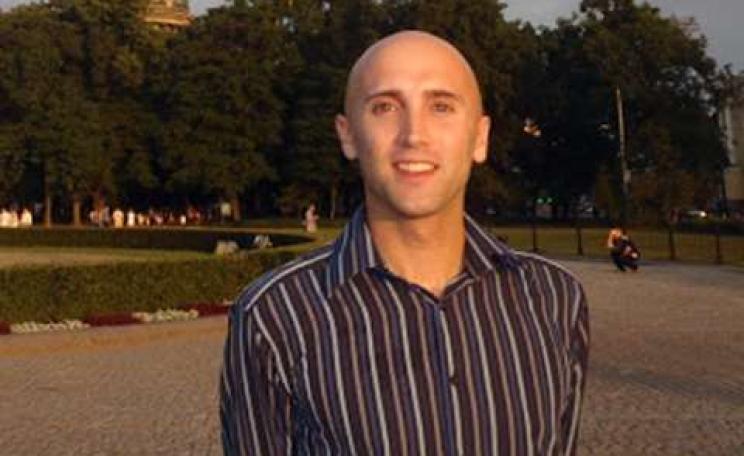
Graham Phillips, a British freelance journalist reporting for RT from Eastern Ukraine was detained yesterday by the National Guard and has not been seen since. Not that you would know from British media coverage. RT wrote this open letter.