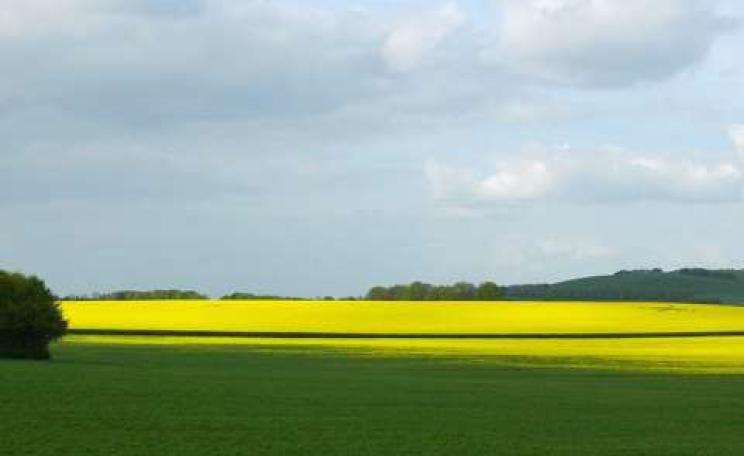
Following last winter's severe flooding in SW England, the Government has refused to assess how badly badgers suffered - even though local populations could have crashed. If the cull goes ahead, badgers could be wiped out of some areas altogether.
German dairy farmer Gottfried Glöckner told F William Engdahl how the Anglo-Swiss GMO and agrochemicals giant Syngenta tried to crush him after he denounced the company's products as toxic - recruiting the resources of the German state and legal system to destroy his life.
Tyrone Hayes has fought a 15-year battle with Syngenta following his discovery that its herbicide Atrazine scrambles sex in frogs, writes F William Engdahl. Now he wants to know - is Atrazine the cause of the US's 2-fold reproductive cancer excess among Blacks and Hispanics?
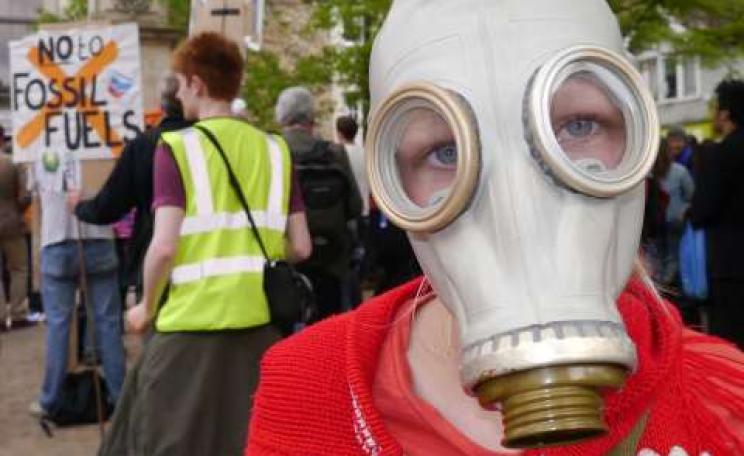
59 University of Oxford academics have signed an open letter urging the University to 'take action on climate change' by ridding its £3.8bn endowment of investments in fossil fuel companies, as hundreds march to demand change.
The EU's system for trading carbon emissions has cost consumers dear, while delivering few carbon reductions. Reforms are urgently needed, write Luca Taschini & Josh Gregory, and first among these is to open the market up to public scrutiny.
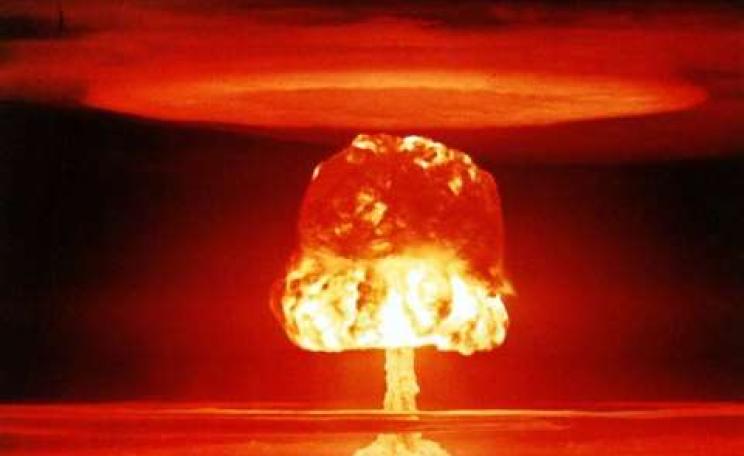
When we speak of WMD, we usually think of weapons - nuclear, biological, or chemical - that are delivered in a moment, writes Tom Engelhardt. But what of climate change: a WMD on a long fuse, already lit and smoking ...
An unholy alliance of pro- and anti-GMO countries have struck a deal that will sweep away the obstacles to genetically engineered crops in the EU, writes Lawrence Woodward.
Humanity has always lived under the threat of extinction, writes Anders Sandberg. Now we have reduced some of the dangers - but created new ones of our own. And right now, it's the anthropogenic threats that look the scariest ...
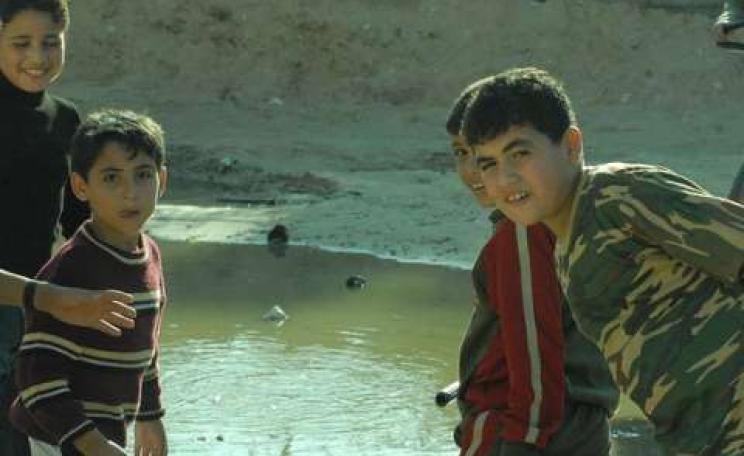
After suffering devastating winter floods, Gaza now prepares for a long, dry summer of acute water shortages, declining water quality and a collapsing sewage system, as its coastal aquifer faces permanent damage from over-use and seawater contamination.
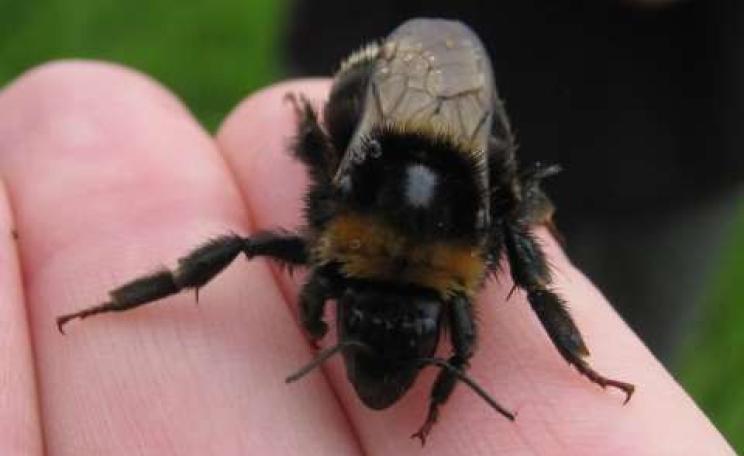
The short haired bumblebee was declared extinct in the UK 30 years ago. But now the species is being re-introduced in the flower-rich meadows and field margins of Kent, writes Michael Parker - helped along by sympathetic local farmers.
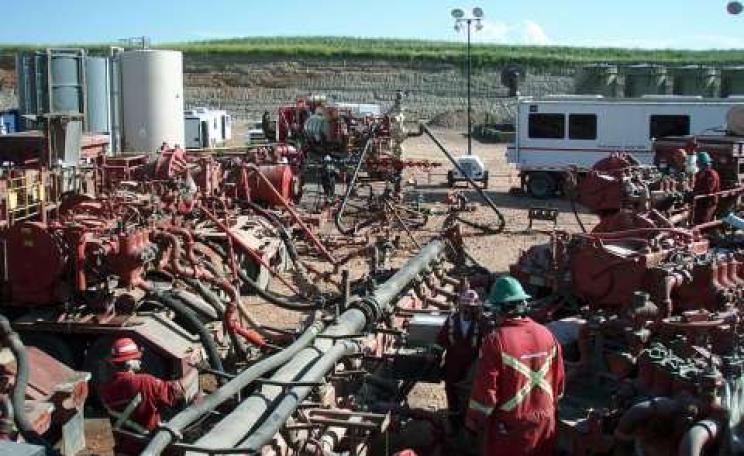
A wholesale corruption of science underlies the UK Government's insistence that gas from fracking offers a 'low carbon', low cost route to energy abundance, writes Paul Mobbs. On the contrary: it's expensive, over-hyped - and just as bad for climate change as coal.
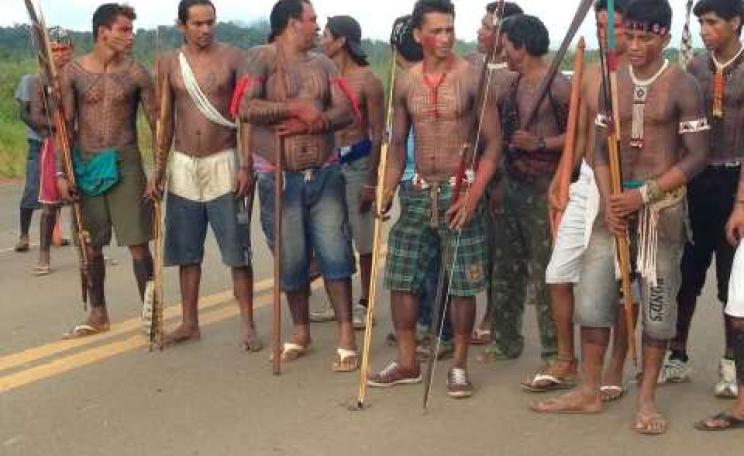
This week 20 Amazon Indians walked to the Belo Monte dam site to demand the company keep its promises to compensate indigenous communities. Police shot them with 'rubber bullets' and stun grenades, wounding four. Tensions are rising ...
The New Sylva is a worthy successor to John Evelyn's original of 1644, writes Colin Tudge, with superb line drawings and a text that looks more to the future of Britain's trees, than their past. A book for ladies, gentlemen, 'meer woodsmen' and 'ordinary rusticks' alike.
In the industrial era, economic growth has become equated with human progress, writes Jules Pretty, with a fundamental assumption that material growth and consumption inevitably leads to improvements in our well-being. Now think again ...
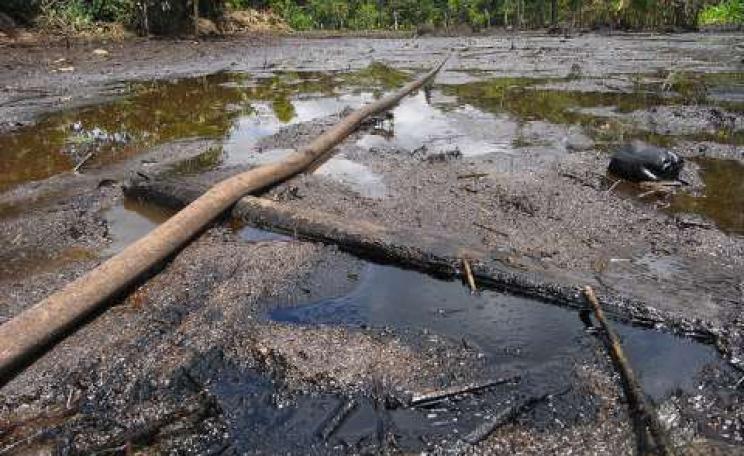
Humberto Piaguaje traveled from Ecuador's rainforest to Texas to deliver this Open Letter from Texaco's victims to Chevron-Texaco shareholders. Chevron is refusing to pay multi-billion dollar damages awarded to those suffering from its pollution.