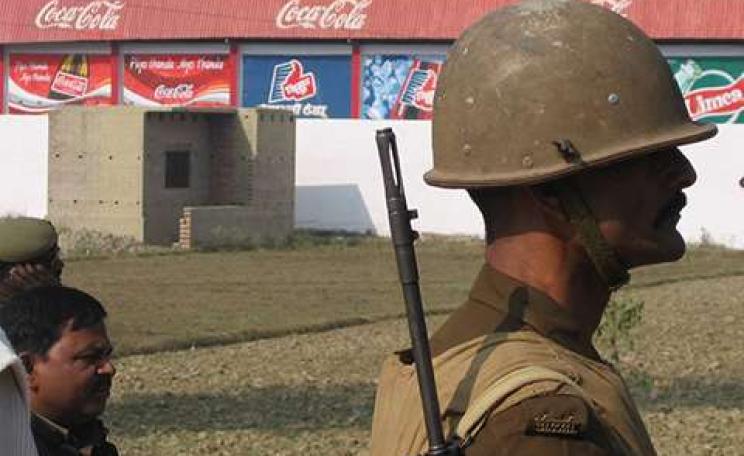
After eleven years of campaigning by local people suffering from water shortages, state authorities have closed Coca-Cola's bottling plant at Mehdiganj, Uttar Pradesh - inspiring campaigners at another three Coca Cola sites in India.
Farming should not only sustain people with healthy food, writes Jigmi Y. Thinley. If humans are to survive on Earth, it must also revitalise nature and sustain vital planetary systems, instead of poisoning and over-exploiting them. And to do that farming must be organic.
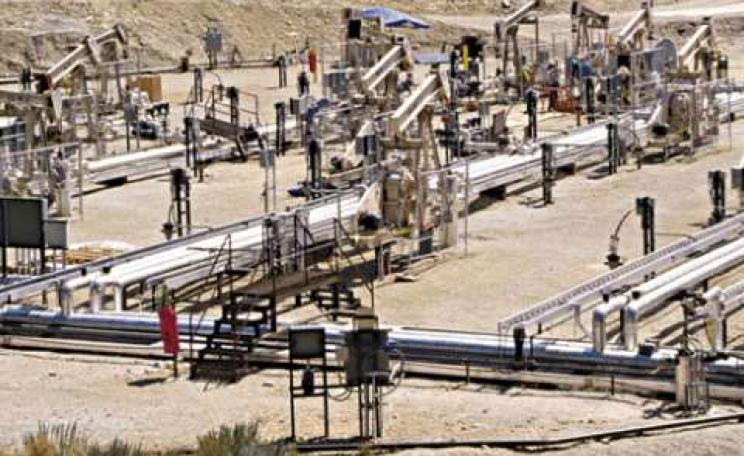
The US's drive to become a top global oil and gas exporter by fracking has been blown wide open by a 96% write-down of California's Monterey Shale - meant to hold two thirds of the US's shale oil. How long before the whole enterprise is exposed as a monstrous Ponzi scheme?
74,000 hectares of Tasmania's native forest wilderness will be opened up to industrial logging, writes Jess Abrahams - if Australia's government succeeds in removing its World Heritage status at a UNESCO meeting now under way in Doha.
An internal police document has confirmed what many have long suspected: the Police Liaison Officers 'facilitating' protests and demonstrations are not just there to make friends - they play a 'pivotal role' in intelligence gathering.
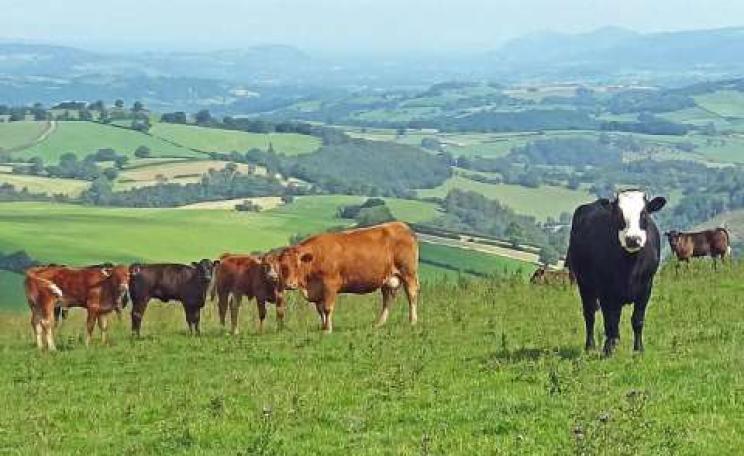
With the 6th International Conference on Bovine TB under way today in Cardiff, Lesley Docksey reports on Defra's latest statistics. BTB in England is falling - and it's falling fastest where the strongest biosecurity measures are in place, confirming the experience of Wales and Scotland.
The greatest volcanic eruption in human history changed the 19th century as much as Napoleon, if not more, writes Gillen D'Arcy Wood. Yet how many of us know of Tambora, the climate havoc it unleashed, or the global cholera pandemic it spawned?
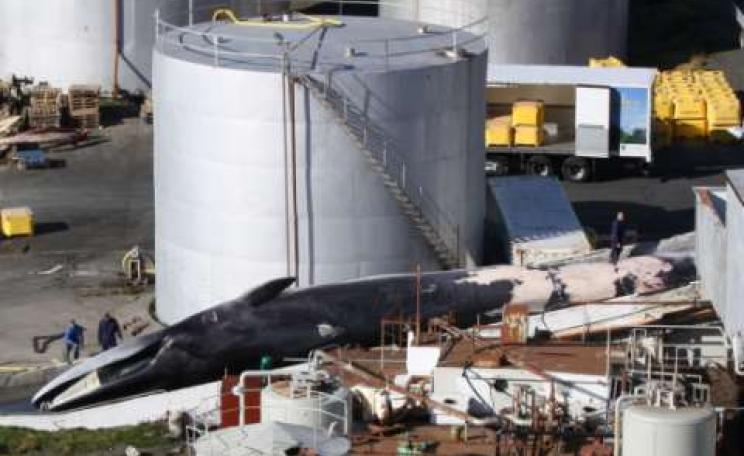
Icelandic whalers made their first kill of the 2014 hunting season - an endangered fin whale, landed today. Campaigners have condemned the hunt, and are calling for a boycott of whaling companies' seafood exports.
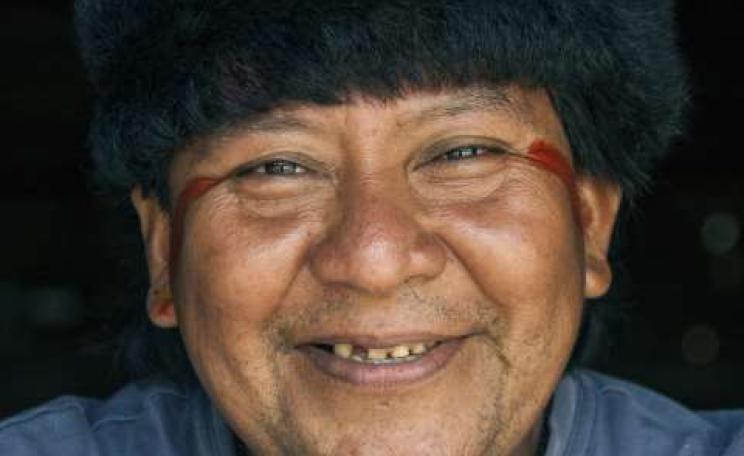
As the World Cup gets under way in Brazil, Yanomami shaman Davi Kopenawa told Liam J Shaughnessy about the very different world he inhabits, deep in the Amazon rainforest - a world of bright spirits, ancient knowledge, union with nature. And a world under threat.
The EU's farming policy is being touted as 'greener than ever' - but it's no such thing, write Lynn Dicks & Tim Benton. The 'green reforms' pay farmers for actions (and often inactions) that do not benefit wildlife, and contain no real or effective measures to help.
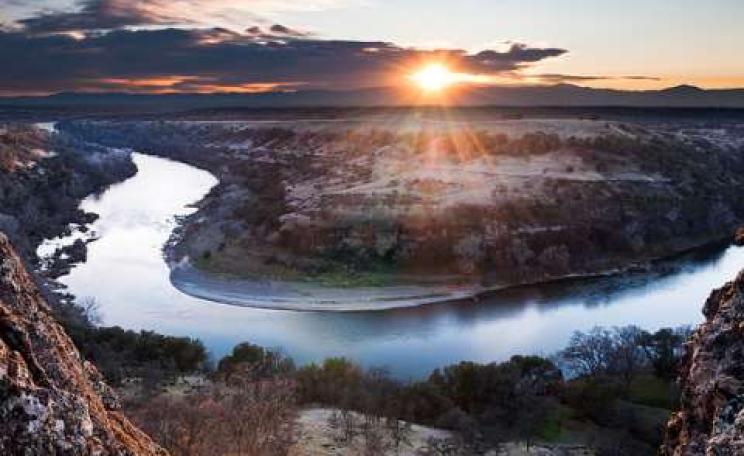
In California, water no longer runs to the sea - it runs towards money, writes Will Parrish. Most of the state's water is already controlled by agribusiness elites. Now, backed by politicians, they are planning to grab the little that's left, leaving nature and indigenous communities high and dry.
Green soap-maker Ecover is the first company to openly admit that that it's using ingredients derived from 'synthetically modified organisms' - the next wave of GMOs - writes Jim Thomas. So why are they risking their ‘natural' brand for this experimental biotechnology?
799 years after Magna Carta, Britain's rulers are determined to misrepresent it and ignore its true significance - as a challenge to arbitrary state power, writes Anthony Barnett. Now, more than ever, we need real democracy rooted in the sovereignty of 'we the people'.
Increasing use of air conditioners to stay cool is making entire cities warmers in a 'vicious circle' of increasing energy use and discomfort, writes Tim Radford.
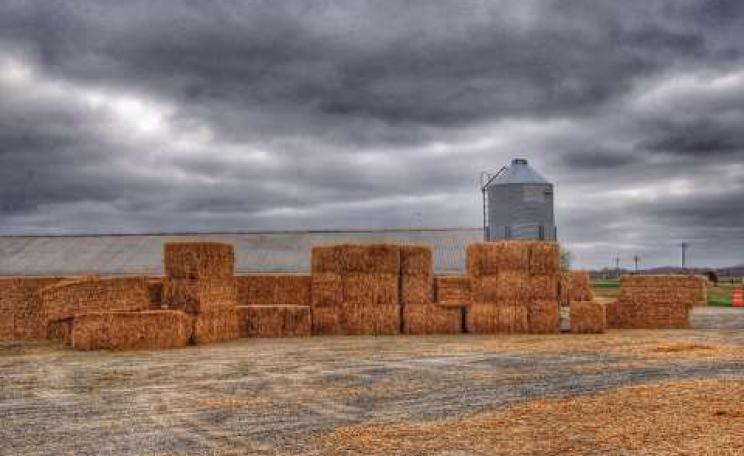
A new GM bacterium can produce bioethanol from coarse switchgrass, rather than using food crops like maize, writes Tim Radford. It does this by 'digesting' the tough cellulose that yeasts are unable to break down.