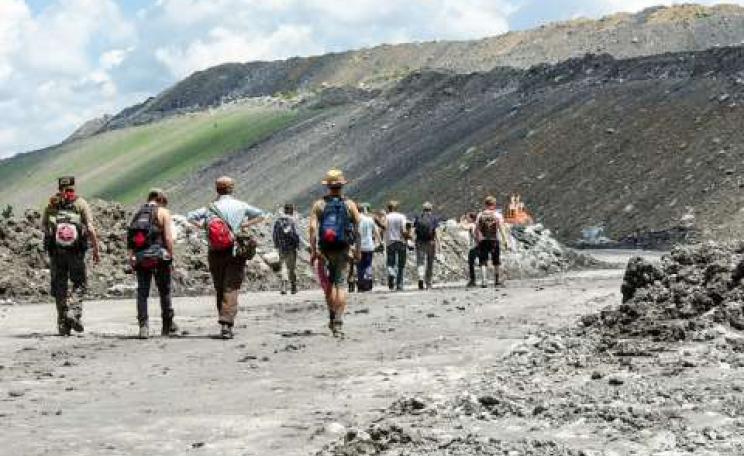
A Spending Bill now under debate in Congress would cut over $100 million from renewable energy, grant extra funds for dumping nuclear waste and fossil fuel research, exempt 'mountain top removal' coal from regulation, and limit the EPA's power to enforce clean water laws.
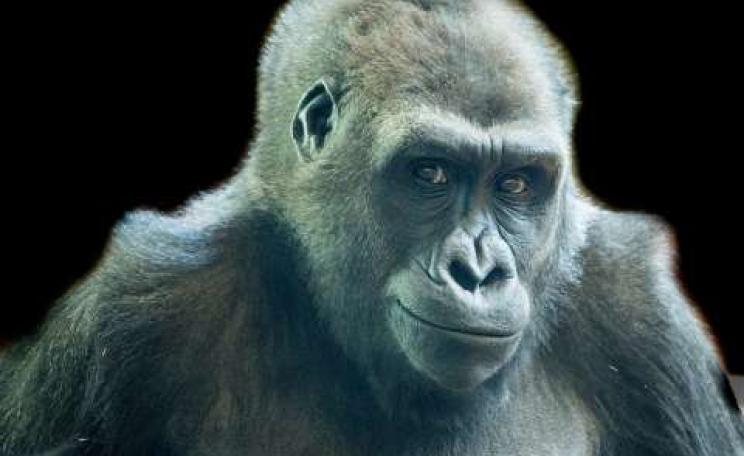
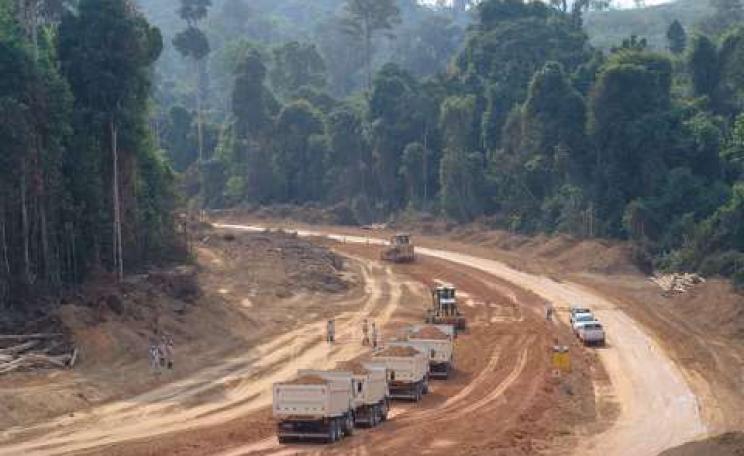
Africa sustains some of the most spectacular ecosystems on the planet - from the Sergengeti to the Congo Basin to the Eastern Arc forests. But those ecosystems and their iconic wildlife are now facing their greatest peril, writes William Laurance - a mining boom of unprecedented intensity.
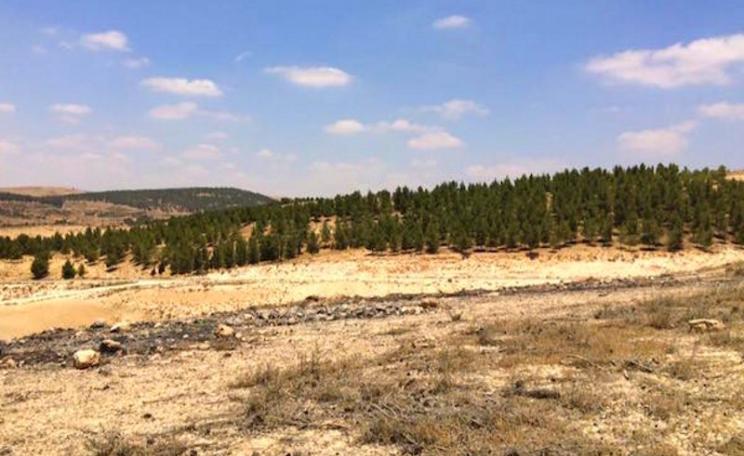
It should be good news, but it's not. Israel's largest man-made forest is set for enlargement, but at the expense of a village where a Bedouin community has lived since they were resettled there in 1956. Its sister village is to be demolished so a new Jewish town can be built on its ruins.
Botswana's Okavango Delta, one of the most iconic natural areas on the planet, has been listed as 1,000th World Heritage site today. The decision follows the advice of IUCN, UNESCO's advisory body on nature.
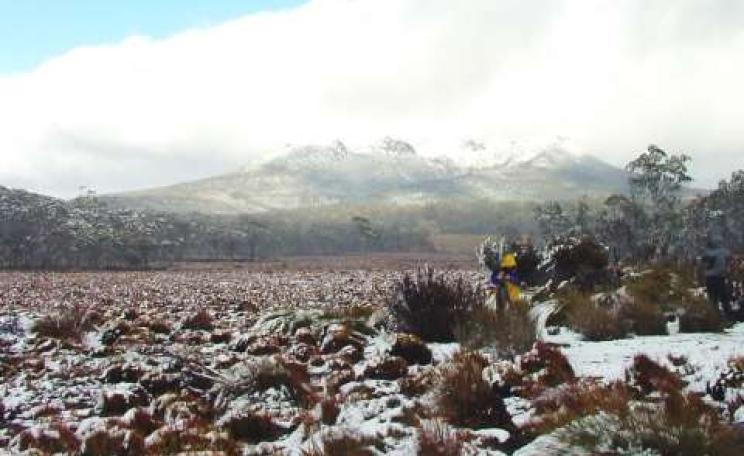
With Australia's still trying to 'de-list' 74,000 hectares of forest from the Tasmania Wilderness World Heritage Area, Kevin Kierman reminds us that it's not just about the trees. No less important are the area's unique geology, and ancient Aboriginal cultural sites.
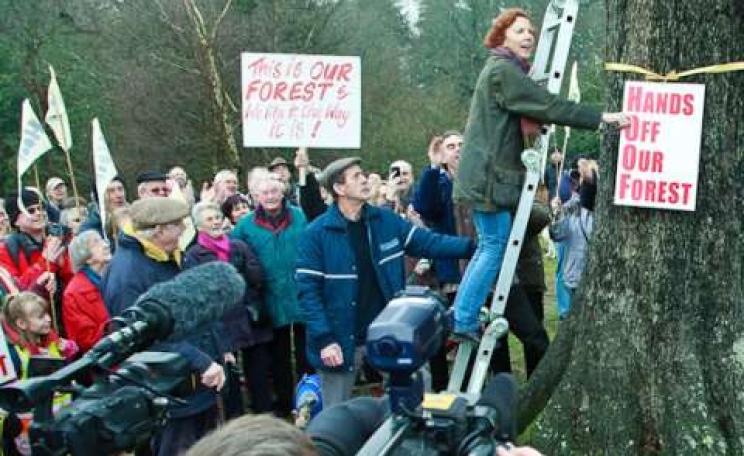
First the Government failed to include a Forests Bill in its legislative programme, writes Owen Adams. Next, campaigners spotted that the Infrastructure Bill enables a wholesale selloff of public lands. Just how safe are Britain's public lands and forests?
Repowering London is an energising force - not just making renewable energy projects happen, but engaging communities to finance them, training young people to install them, and ensuring the benefits stay local. Lucy Anna Scott meets the dynamic Agamemnon Otero ...
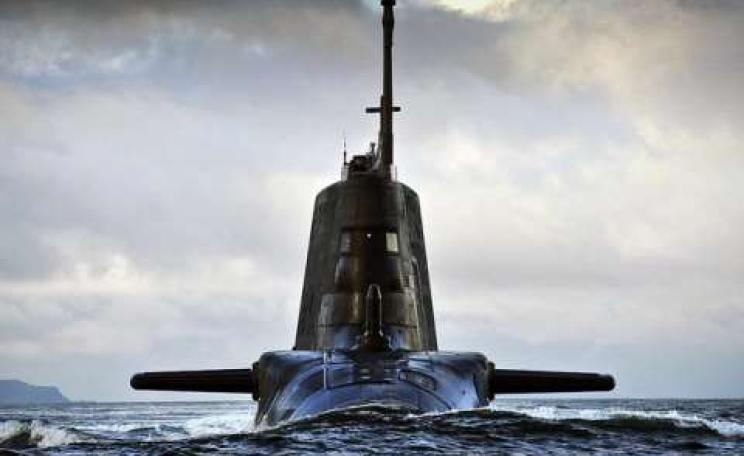
Nuclear power is neither beautiful, nor safe, nor cheap, writes Justin Keating - a message to the United States, where the Obama administration has pledged to waste over $200 million financing the 'Small Modular Reactor' (SMR).
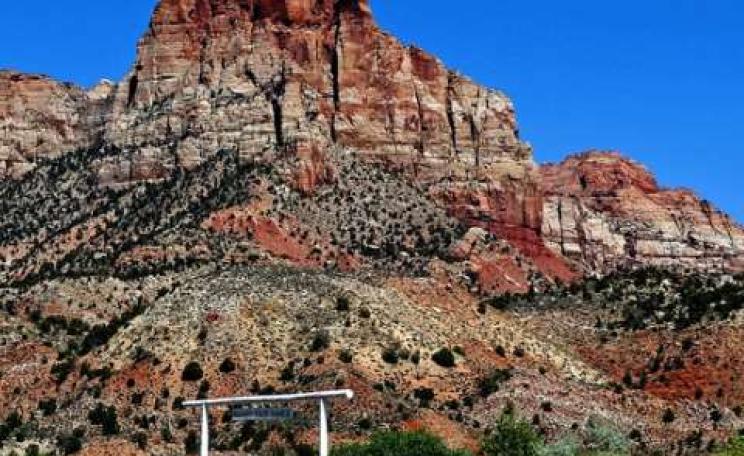
The image of the rancher in the rugged West is one of self-sufficiency and a tough defiance of government, writes George Wuerthner. But the truth is that ranchers, especially those using federal land, depend on a host of generous subsidies, both economic and ecological.
On the first-ever World Giraffe Day, the world's tallest land mammal is threatened by conflict with humans, habitat loss, war, and disease. One subspecies, the West African giraffe, is down to 400 individuals.
Britain's deep-seated environmental and economic problems have nothing to do with immigration, writes Adam Ramsay, and everything to do with our unjust and divisive social order, and the austerity that is being inflicted on us by an oppressive ruling class.
Fish from the high seas are too valuable to be eaten, as they lessen climate change through the carbon they carry down to the ocean depths. The carbon benefits are worth $150 billion every year - almost ten times the value of high seas fish landings.
It may all be over for England, but for Brazil, the battle is only just beginning. Anger over the vast cost of the World Cup - well over $10 billion - and its huge social impacts, is spilling over into a wider fury at massive mega-projects than enrich elites, trash the environment, and leave the poor poorer.
Oxfam's report 'Standing on the Sidelines' lays down a challenge to the 'Big 10' of the global food industry, writes Julia Wright. They must cut their huge carbon emissions, campaign to protect global climate, and rethink their entire mission to encompass health and wellbeing.