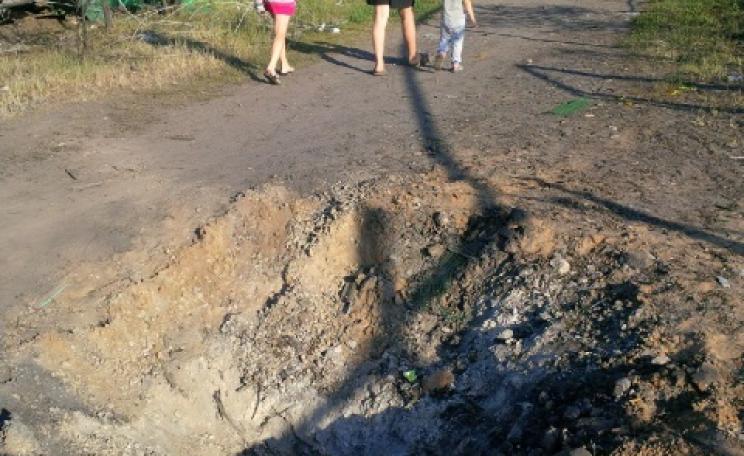
The devastating human impact of Syria's civil war may persist for decades to come as heavy metals and carcinogens in munitions end up in the environment, along with chemicals from destroyed industrial plants and stores. A long-term public health crisis is in the making.
Our current electricity system cannot accept much wind and solar power because they lack the 'inertia' of spinning turbines that stabilises grid voltage, writes Marek Kubik. But that's no reason to limit renewables - there are new, smart solutions ready for deployment.
The choice of the armadillo as World Cup mascot could have led to great conservation gains in Brazil, writes Robert Young. Results so far are deeply disappointing - but it's not too late for FIFA and Brazil to create a natural endowment to be proud of for decades to come.
A partnership between an Oxford-based social enterprise and the local Council provides a blueprint for financing community energy projects, writes Wendy Twist. And with £2.3 million in the bank, things are really starting to move ...
The National Rifle Association has demanded that The Ecologist retract important elements of a story we ran about the threat to condors from ingesting spent lead ammunition, and the NRA's opposition to a lead ban. We publish our response.
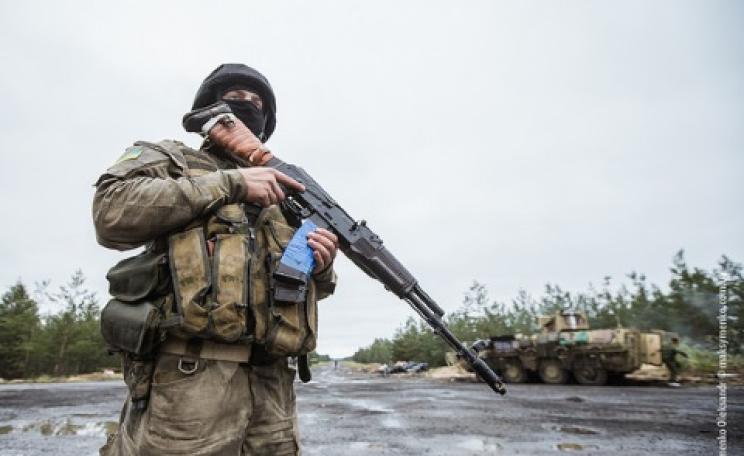
Amid the chaos and stench of war in East Ukraine, Tanya Lokshina investigates a litany of atrocities - including abductions of non-combatants and air strikes that have left entire villages in ruins and killed many civilians including children. It's all part of HRW's campaign to secure justice for the victims of war crimes.
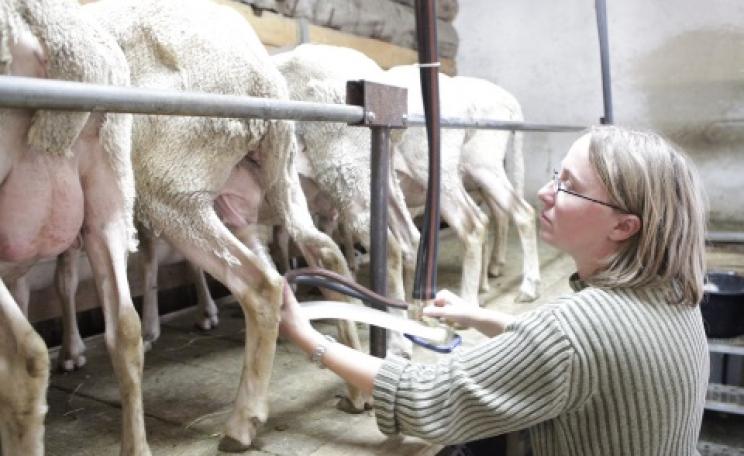
New EU regulations forbid the use of herbal remedies and plant essences to maintain animal health instead of antibiotics, reports Sandra Saadi. An organic ewe breeder in France has already been threatened with the loss of EU farm support payments.
The UK will break nitrogen dioxide limits until after 2030, EU judges were told today. And now the 'secret' information is public - accidentally published on a Government website, while lawyers were asking judges to keep it secret.
If we're serious about cutting CO2 emissions, there's no place for nuclear power, writes Ian Fairlie - because it's the least cost-effective way to do it. By far the best way is to improve energy efficiency. But tell the Government the truth, and it'll close you down.
in Ukraine, as in Afghanistan, Libya, Iraq, and Syria, US policy is all about dominating the world's fossil fuel supplies, writes Mike Whitney - in this case, the gas pipelines from Russia to Europe. But the 'great aggressor', Vladimir Putin, is refusing to play his part. So what next?
Log books from British whaling ships more than 200 years ago have given new insights into the history of the Arctic sea ice, reports Tim Radford. A new study reveals that the scale of ice melt in the Arctic over the last few decades is new and unprecedented.
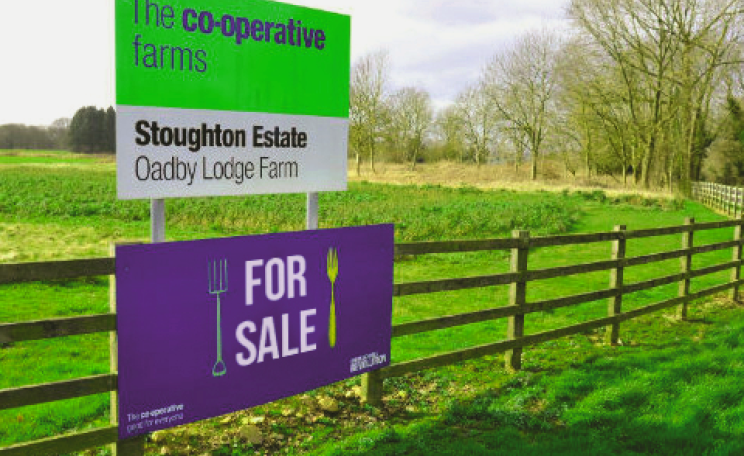
The sale process of the UK's Co-op Group of its entire 70,000 acre farm estate systematically blocked community and cooperative bidders. Not a single such bid was received by the deadline.
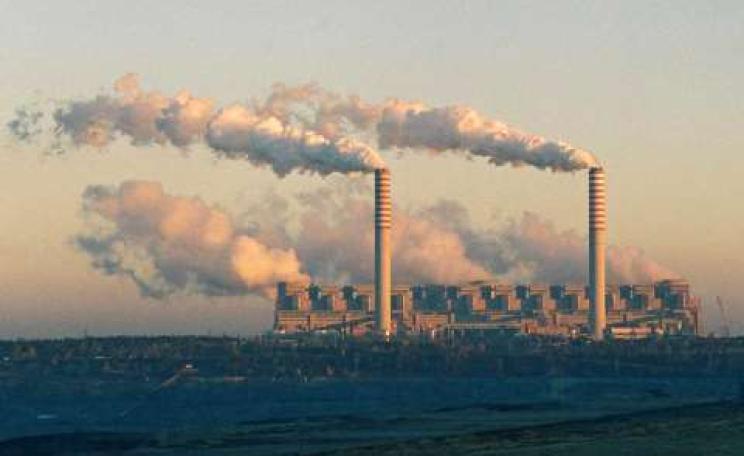
Polish PM Donald Tusk is using the Ukraine crisis as a pretext to revive the EU's fossil fuel industries. His proposals spell disaster for EU emissions targets and the wider environment, writes Mark Siddi. Europe's energy future must be efficient and renewable!
The European Parliament votes today on the TTIP 'trade' deal, described as a 'Bill of Corporate Rights' that will undermine democracy in both the EU and the US, writes Polly Jones. But given the extraordinary secrecy that shrouds the negotiations, few of the MEPs themselves really know what they are voting on.
A new scientific paper presents the radiation produced by fracking as 'natural' and harmless. But it's based on sketchy data, hyperbolic statistics and questionable assumptions, writes Paul Mobbs. Is it an attempt to stifle an essential public debate?