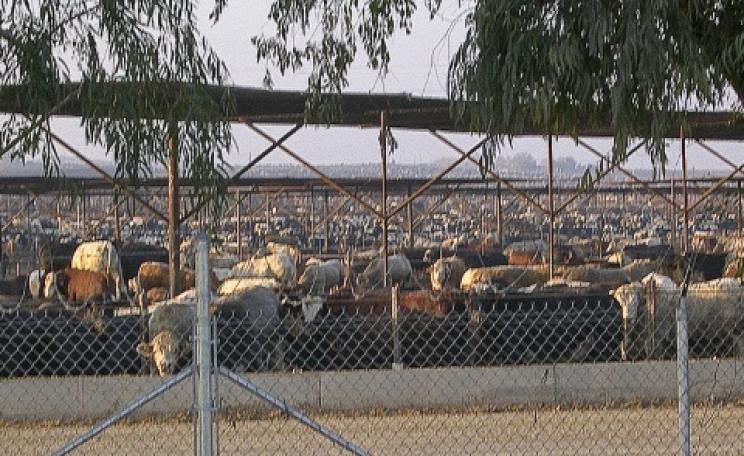
US beef carries a heavy environmental cost in water, land, emissions. But few of us know quite how damaging beef is, writes Gidon Eshel, nor that it is more than five times worse than pork, poultry, eggs or cheese. Isn't it time we did something about it?
A flood of smallholders that have benefited from Zimbabwe's land reform are turning to tobacco as their crop of choice, reports Ray Mwareya. But the economic gains are coming at a terrible cost - the accelerating destruction of the country's forests.
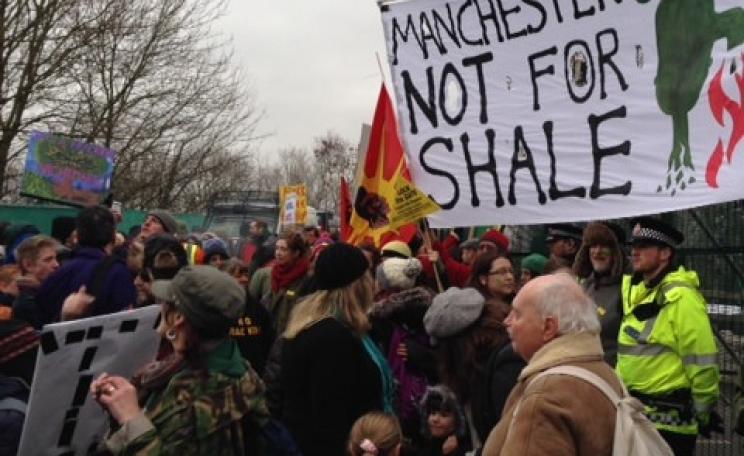
The UK Government's policy is to frack at all costs, against public opinion and compelling evidence of environmental damage and poor returns, writes Paul Mobbs - a timely reminder that as far as the Government is concerned, it has a God-given right to rule over us, no matter what we think or want.
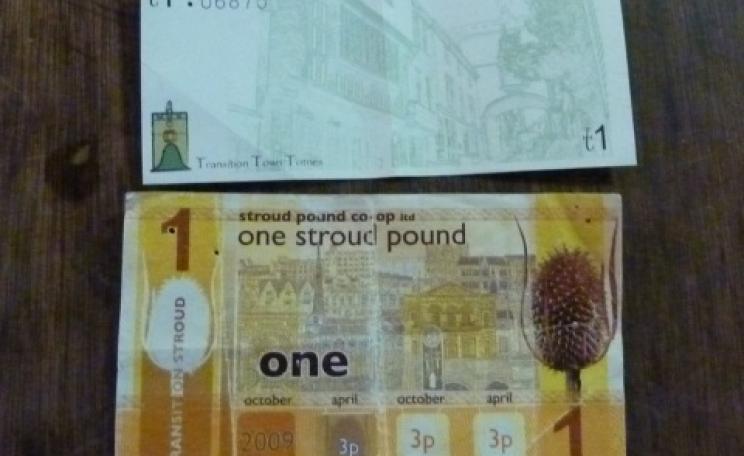
Using local currencies to stimulate local economies and revalue local labour over imported products and resources sounds like a great idea - but recent experiences have proved disappointing. Are there other ways to 'close the money loop'?
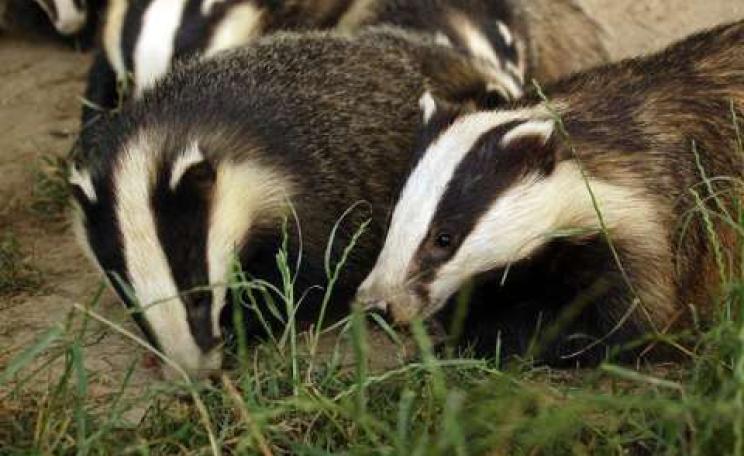
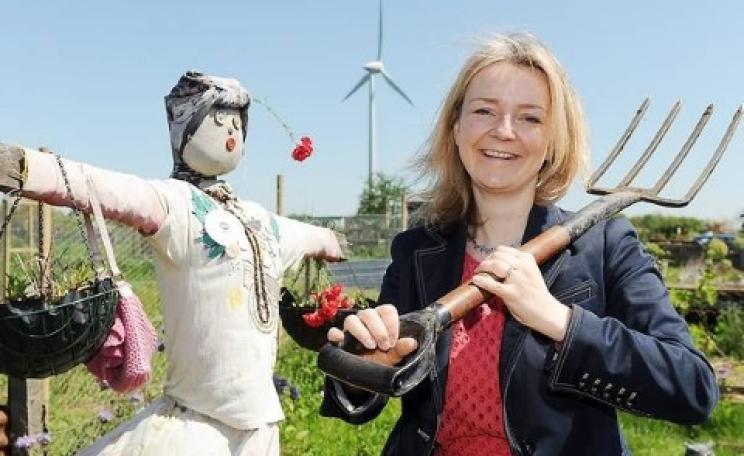
The Badger Trust will challenge the trial badger culls in the High Court next month, claiming that Environment Secretary Liz Truss and Natural England are acting unlawfully in failing to appoint an expert panel to oversee the experiment.
California and Texas continue to break new ground in making electricity generation from renewable sources, writes Mike G. Solar PV in particular has become a vital part of the US' energy mix, accounting for half of new generation capacity.
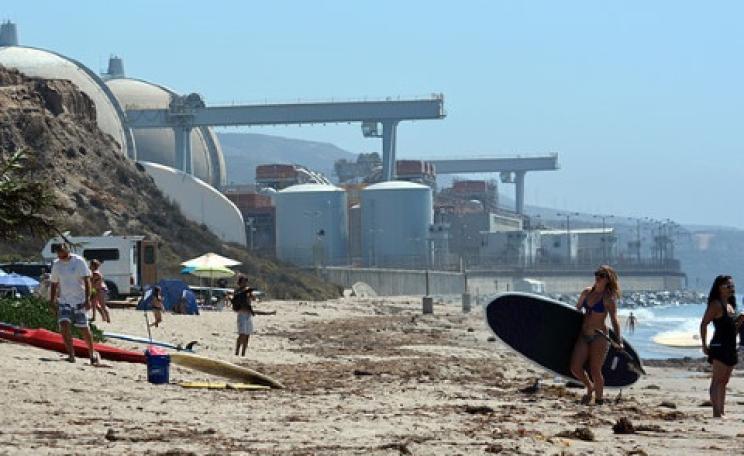
The recent closure of five US power stations is forcing the industry to confront big questions about radioactive waste, writes Paul Brown. Who is to pay the mounting costs of managing the wastes and keeping them secure? And precisely where will be their final resting place?
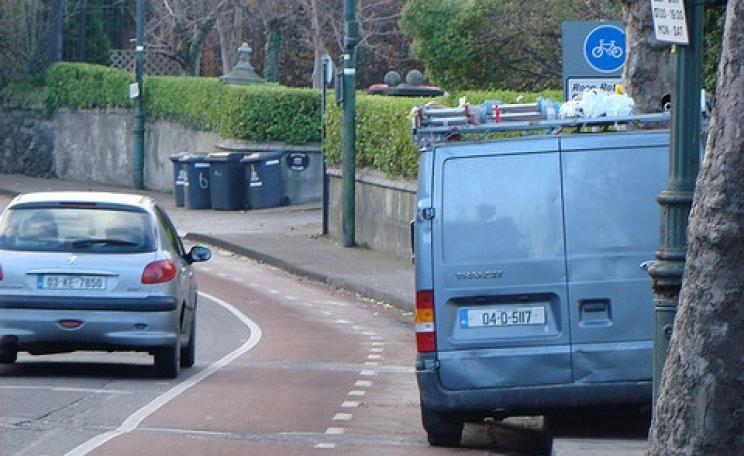
The Commons Transport Committee has advised Government to budget £10 per head to create a safe cycling environment, writes Ian Walker. But that's grossly underestimating the challenge ahead - a major rethink of planning, health and transport policies is needed.
Recent decades have seen a hardening global clampdown on the rights of farmers to use, save, develop, share, swap and distribute the seeds that produce the food we all eat, writes Andrew Kimbrell - and which constitute an essential common heritage of mankind. Here's his plan to fight back against the seed monopolists ...
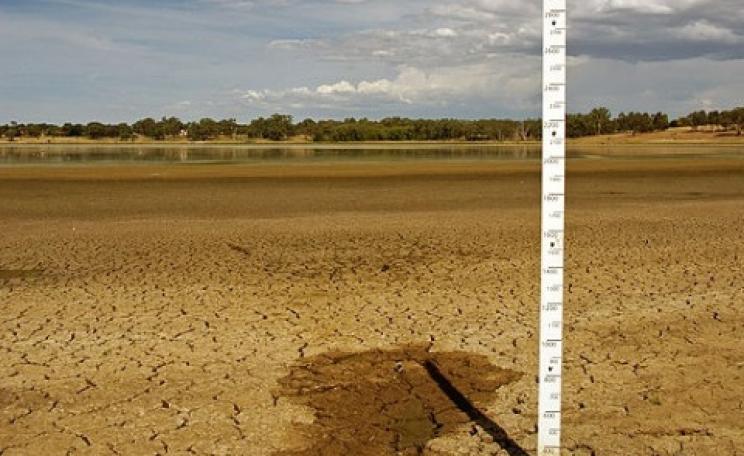
Australia's prime minister thinks climate change is 'crap' and has just abolished his country's carbon-pricing system. But scientists say that it's rising levels of CO2 that are leaving the south of the country parched and sweltering - and it's only going to get worse.
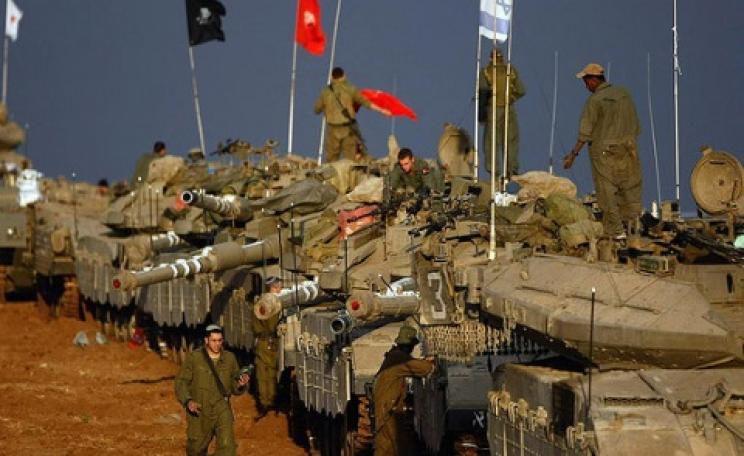
Never mind the 'war on terror' rhetoric, writes Nafeez Ahmed. The purpose of Israel's escalating assault on Gaza is to control the Territory's 1.4 trillion cubic feet of gas - and so keep Palestine poor and weak, gain massive export revenues, and avert its own domestic energy crisis.
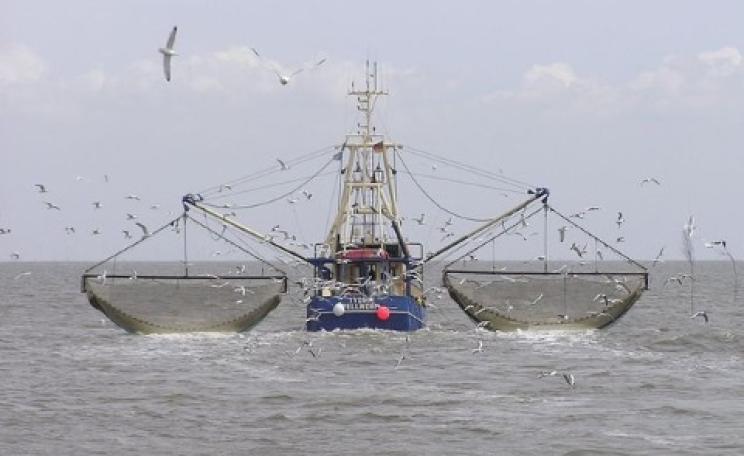
The UK's coastal waters are producing little but tiddlers and scallops, writes Jason Hall-Spencer - and to blame is the endless gouging of the seabed by trawlers and dredgers - even in 'marine reserves'. We must allow our marine ecosystems to rebuild!
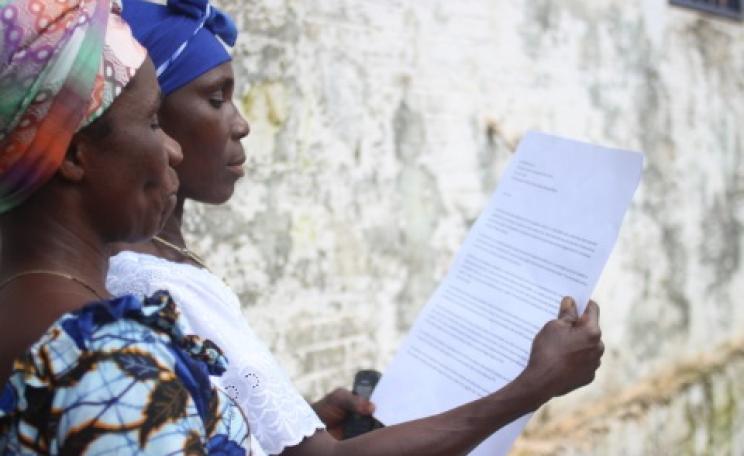
Liberia's Jogbahn Clan is at the forefront of efforts to resist the grab of Indigenous Peoples' land and forests for palm oil plantations. But according to the country's President, they are only 'harrassing and extorting' international investors.
Since 1967, Israeli soldiers and 'settlers' in occupied Palestine have destroyed 800,000 olive trees in an attempt to force Palestinian farmers from their land, writes Megan Perry. 'Our response to this injustice will never be with violence, and we will never give up and leave.'
The new Environment Secretary Liz Truss flunked her first 'Green test' today as she told Parliament that the badger cull goes on. We run this excerpt from the Parliamentary record in which she states 'We are progressing with our programme!'