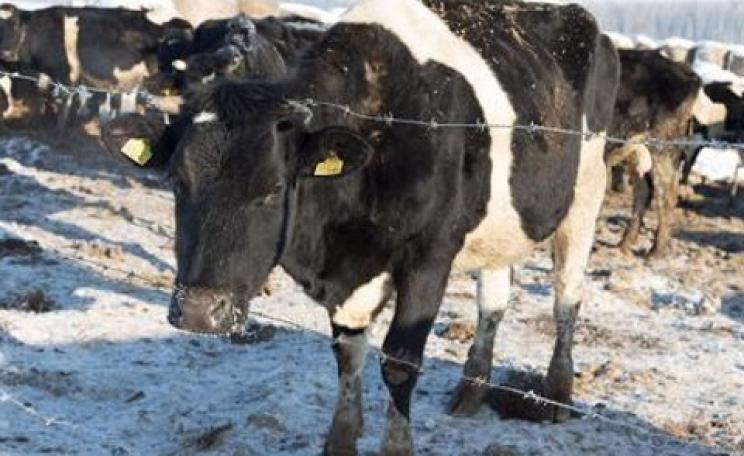
New regulations on animal slaughter are in force across Russia, writes Georgy Borodyansky, with devastating effects on small farmers and consumers, who face a three-fold hike in the price of meat. Will the 'health and safety' madness destroy Russia's main producers of wholesome food?
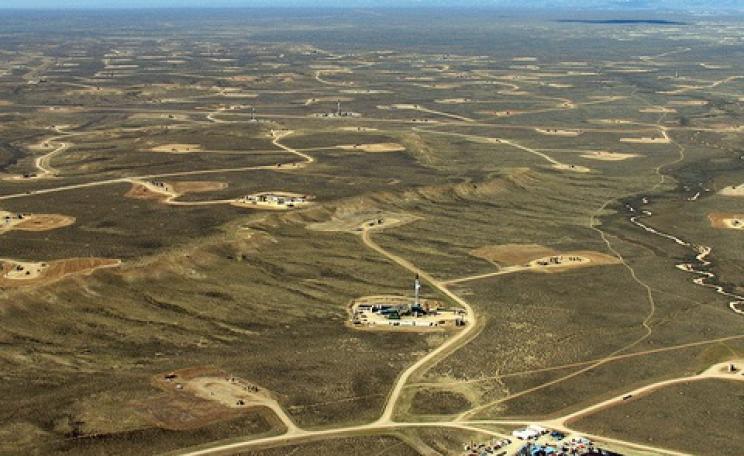
Among the risks of fracking are fragmentation of wildlife habitats, groundwater depletion, surface water pollution. The risks are compounded by a failure among companies and regulators to record or disclose essential information - from the chemicals used, to the time and place of toxic spills.
The systemic failure of the Nigerian government and oil giant Shell to clean up the horrendous oil pollution in the Niger Delta has been branded 'shameful' by a group of Nigerian and international NGOs.
An ecological project has taken root on an abandoned olive grove outside Ramallah. As well as restoring the land itself, its deeper aim is to nurture the ancient links between the Palestinian people and nature, and rebuild a culture of steadfastness in the soil of their native country.
The factory farming of pigs is organised animal abuse, writes Alastair Kenneil, and it imperils the environment and human health. But in the UK we have the choice to buy meat from pigs raised humanely under the open sky. Will you take the Pig Pledge today?
A massive health crisis is following the 2011 nuclear disaster at Fukushima, write Joseph Mangano & Janette Sherman - not just in Japan but around the world. But the health impacts remains woefully under-studied. Scientists must wake up and undertake serious research without delay.
GMO corn varieties that express insecticidal Bt toxins are failing in the field, with reports of infestations of the fall armyworm on Bt corn in Brazil and the USA. Now the EU is poised to approve one of the failing varieties for use on European farms.
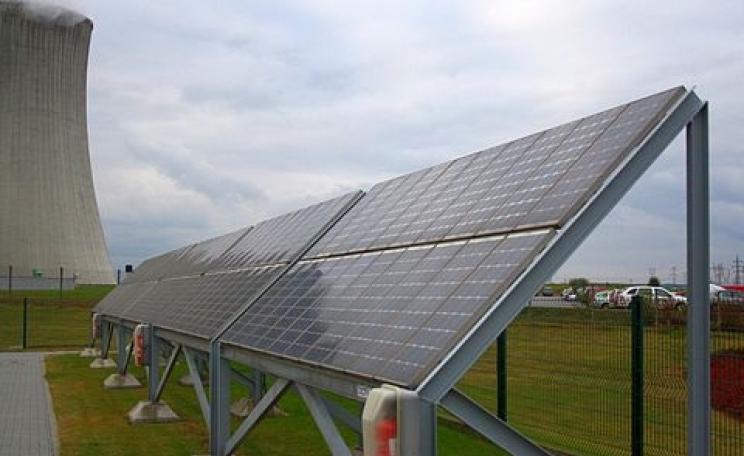
The nuclear industry remains remarkably optimistic about its future, wrties Paul Brown - despite evidence that it is a shrinking source of power as renewables, in particular solar and wind power, compete with increasing success to fill the energy gap.
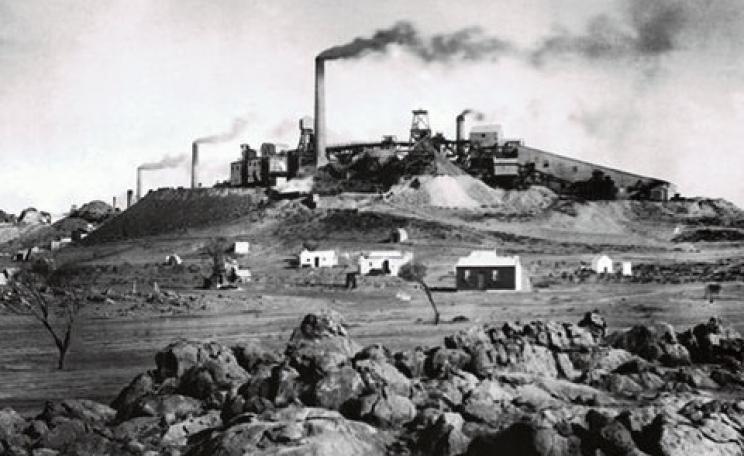
Ice core analysis shows that lead pollution in Antarctica took off in the 1880s as mining at Broken Hill, Australia, took off. Lead residues have fallen from their late 20th century peak, writes Joe McConnell - but they are still four times higher than in pre-industrial times.
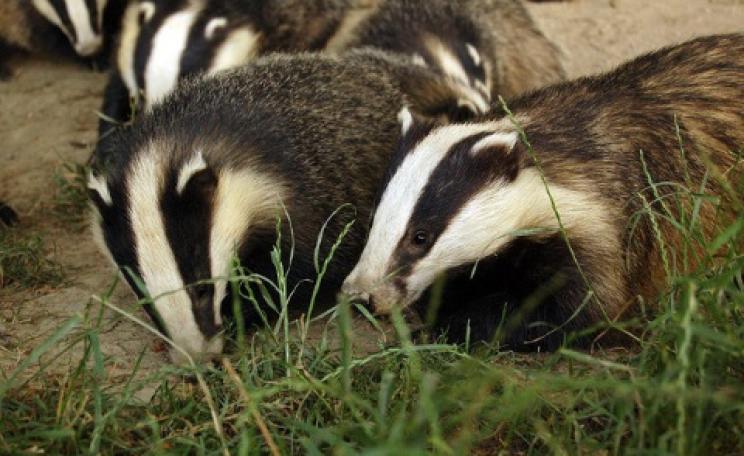
The Government must release key documents about its secret development of England's badger cull with the National Farmers Union. The Upper Tribunal ruled that the public interest would be served by a full disclosure.
How we farm matters, writes Pat Thomas - not just for water, insects, birds and the wider environment, which benefit from organic farming, but also the nutritional value of our food. It's time to value the quality of what we eat, instead of prizing quantity above all.
A social solidarity movement is transforming the lives of millions of poor women in Kerala, south India, writes P. Sainath - and among the greatest beneficiaries are indigenous adivasi women who dwell deep in the the forests, and their historically marginalized communities.
As the UK's electricity supply margins drop to new lows, the government's punitive approach to renewables will only make matters worse, write Peter Strachan & Alex Russell. Likewise its threats to boycott Scotland's wind power is utterly irrational - we will need it to keep our lights on.
Donors, NGOs and investors want to help grassroots sustainable energy enterprises grow, so they can bring the myriad benefits of clean and affordable energy to many more people, writes Emily Haves. But just what kind of support is needed?
Students, workers and civil rights activists gathered in their hundreds today in Delhi to protest at the mining company Vedanta, and the Indian government's support of highly destructive mining projects in forests and on indigenous peoples' lands.