A former Defra minister will introduce a new Bill to Parliament in September to ban wild animals in circuses. It reflects Government policy since 2012 and the Prime Minister has promised 'We're going to do it'. But will he keep his word?
A study published today in Nature shows a strong correlation between concentrations of a popular neonicotinoid pesticide in water, and bird declines, writes Helen Thompson. Regulators are under pressure to tighten up, but the industry still claims there's 'no substantiated evidence'.
Nuclear power advocates believe the technology is essential to building a fossil fuel free world energy system. In fact it is optional, writes David Elliott - and not even very helpful. Efficiency and the 'new renewables' can do the job faster, and at much lower cost.
A failure to act to reduce the impacts of climate change could cost Europe almost €200 billion and 200,000 lives a year, writes Tim Radford. These 'conservative estimates' are published in a new European Commission study.
Israel's armed forces have destroyed vital water and sewage infrastructure in their bombing campaign of the besieged territory, writes Mohammed Omer. This constitutes a severe breach of the 1977 Protocol to the 1949 Geneva Conventions on the part of Israel and all those conceiving, planning, ordering and perpetrating the attacks.
Already 56,000 people have pledged to support a global 'internet seed swap' initiative promoted by Avaaz, writes Julian Rose. Trouble is, the plans are deeply flawed, and have been developed without consultation with major seed saving groups worldwide.
Following The Ecologist's revelation about Ecover's use of synthetic biology to make laundry detergent, the company has put its trials on hold, writes Jim Thomas. But to regain public trust, the company must re-engage honestly with its critics, and its customers.
Brazil's Ilha de Queimada Grande is the only home of one of the world's deadliest, and most endangered, snakes, writes Natasha Geiling. Just the place for Brazil's disgraced football team to escape the wrath of furious fans, if they can only get a permit ...
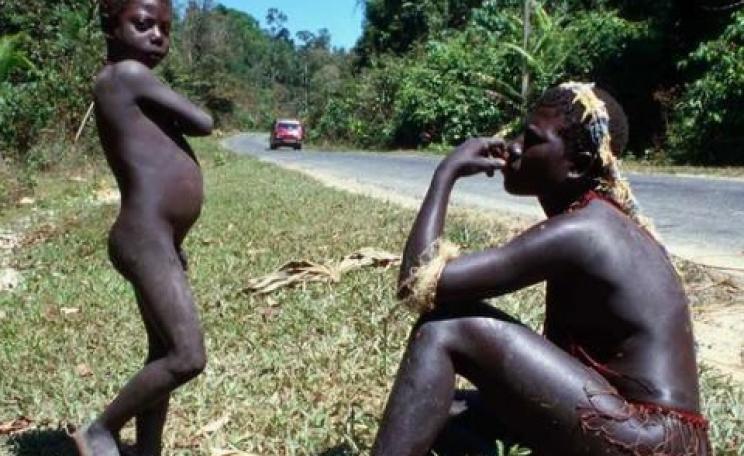
An illegal road on India's Andaman Islands has already opened up a 55,000 year old tribe to disease, sexual abuse and the theft of their resources. But instead of closing the road, local politicians are upgrading it with two new bridges.
Owen Paterson's departure from Government could see the end of the hated badger culls and a wider return to environmental sanity, writes Lesley Docksey. Given his disbelief in climate change and his arrogant disregard of science, it's not a moment too soon!
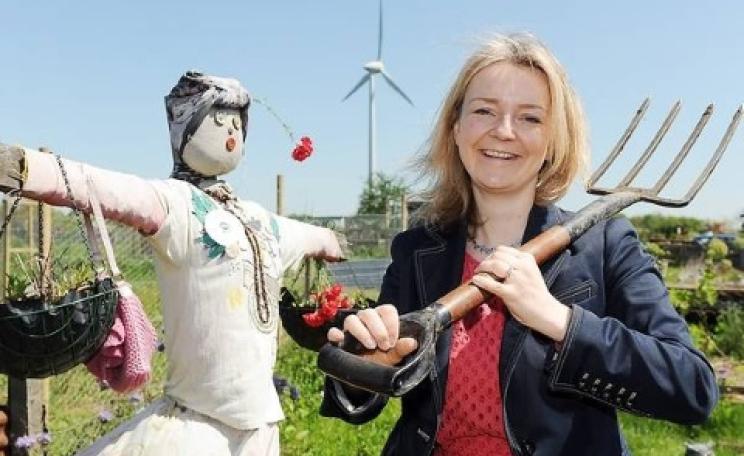
Britain's new Environment Secretary is young (38), female, blonde, believes in climate change, and has floated imaginative policies to deal with it from a carbon tax to 'personal carbon allowances'. As for badgers ... her silence on the topic promises well.
The UK's conservative Daily Telegraph warns: investors in fossil fuels are 'throwing good money after bad', reports Nathan Wood, as renewable energy takes off leaving a potential $19 trillion of oil assets 'stranded'.
The EU-US TTIP trade agreement would 'protect investors' by giving them the right to sue national government for changes in the law that reduce their returns, writes Cécile Toubeau - putting an end to progress on environment and human development.
Australia's nuclear industry has a shameful history of 'radioactive racism' that dates from the British bomb tests in the 1950s, writes Jim Green. The same attitudes have been evident in recent debates over uranium mines and nuclear waste, but Aboriginal peoples are fighting back!
Mali's elephants have lived for millennia in the inhospitable Sahara, writes Susan Canney. But with their survival at risk from a host of modern, 21st century threats, local people are coming together to protect them - and finding that they too are benefiting.