Superpower confrontations and growing tensions in Ukraine, the Middle East and the Arctic are all part of a new Cold War, writes Alexander Reid Ross - and this time Green campaigners are under attack by both Russian authorities and NATO ...
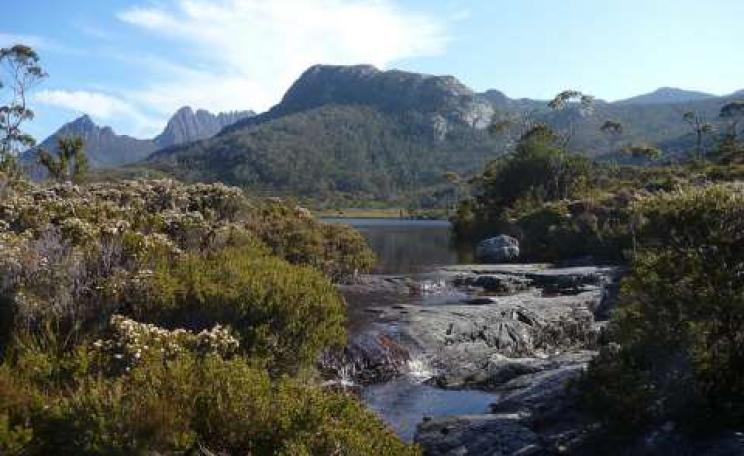
UNESCO has refused to 'de-list' 74,000 hectares of the Tasmania Wilderness World Heritage Area as requested by the Tasmanian and Australian governments, following a 'feeble' presentation.
The UK Government's self-declared war on onshore wind farms will make it very difficult for the UK to meet its EU renewable energy targets, writes David Elliott - especially as it cuts support for solar PV. Is the UK's energy policy being written by UKIP?
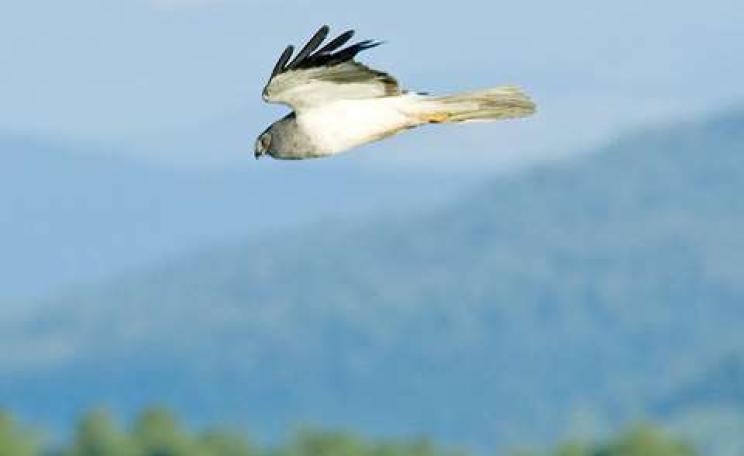
Intensive grouse shooting on England's uplands is doing huge damage to fragile ecosystems, writes Martin Harper - and to the 'protected' hen harrier. It's high time to bring this industry under control with a new licencing system.
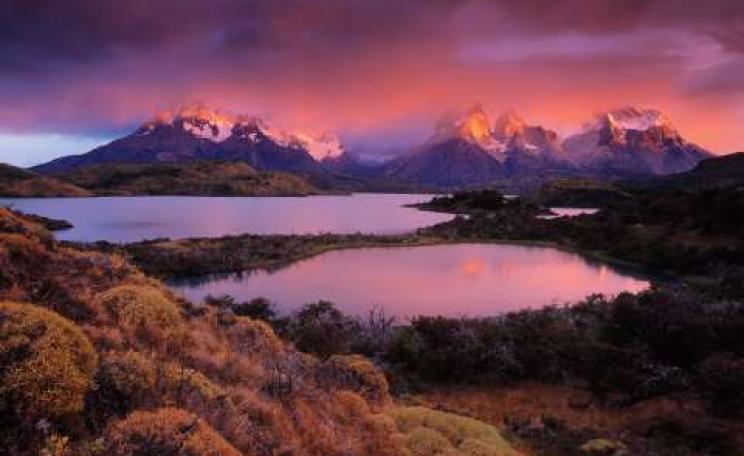
As the Arctic warms and its ice melts, growing numbers freight ships are reaping big savings from the 'Arctic short cut'. But this is creating a huge risk of invasive species spreading in ballast water and on hulls - disrupting both Arctic and temperate ecosystems.
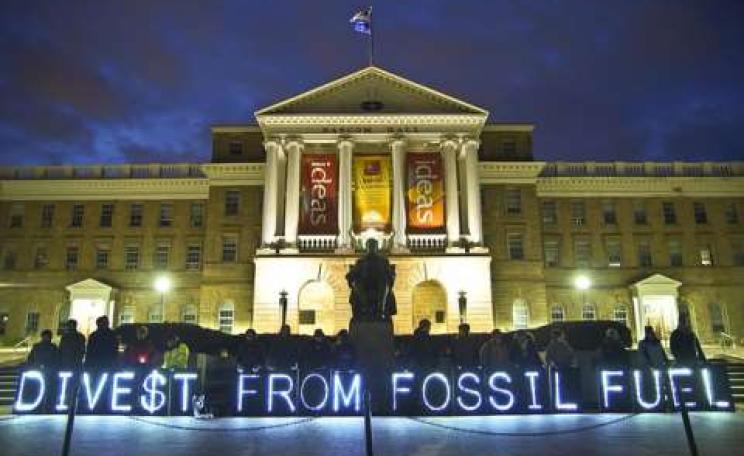
Britain's doctors have voted for their representative body, the British Medical Association, to divest from fossil fuels, writes Tierney Smith - adding valuable momentum to the fast growing global divestment campaign.
In 2012 'skeptical environmentalist' Bjorn Lomborg told The Ecologist that his Copenhagen Consensus Center had poor funding prospects. But now its US arm is flooded with cash - over $4 million since 2008. And as Graham Readfearn reports, only a fraction of it can be traced ...
The High Court has overturned a 'fatally flawed' decision by Eric Pickles MP to refuse planning permission for a locally popular 24MW solar farm on former WW2 airfield in Suffolk, England, close to an industrial estate and go-kart circuit.
Migration is an essential component of strategies to adapt to changing climates, writes Alex Randall. Greens should welcome migrants and support their efforts to build climate resilience in their home communities.
There is much merit in the cliché that 'a picture is worth a thousand words', writes Edgar Vaid, but 'Our Beautiful, Fragile World' suggests that great photography complemented by explanatory text is worth even more ...
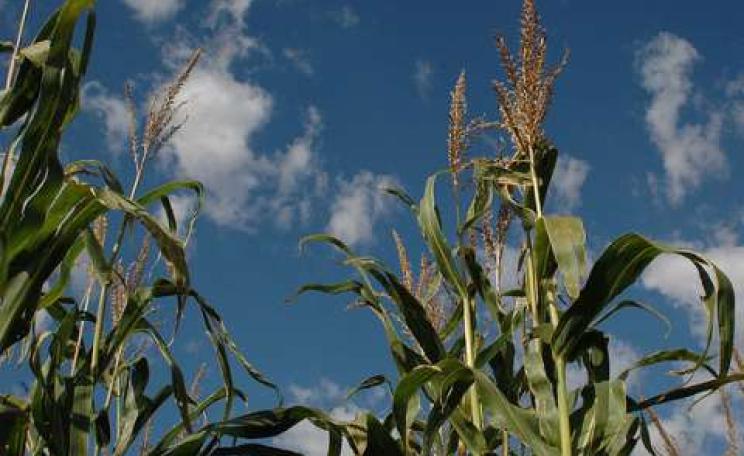
The forced retraction of a study that identified serious harm to rats fed on GMO maize and Monsanto's 'Roundup' reveals a deep and systemic corruption of science and regulation, writes Gilles-Eric Séralini. Urgent and far reaching reforms must now take place.
A scientific study that identified serious health impacts on rats fed on 'Roundup ready' GMO maize has been republished following its controversial retraction under strong commercial pressure. Now regulators must respond and review GMO and agro-chemical licenses, and licensing procedures.
An ancient system of irrigated terraces in Palestine's West Bank have been recognised by UNESCO as a World Heritage Site against strong opposition from Israel - which wants to build its 'separation wall' across Battir, cutting Palestinian farmers from their land.
Ecover refutes allegations that it has been using 'synthetic biology' to make soap ingredients from algae. On the contrary, write Tom Domen & Dirk Develter, it's just old fashioned fermentation, and the company remains at the forefront of sustainability and responsible practice.
Why does the fracking lobby refuse to engage in open, public debate? Because, writes Paul Mobbs, it has already got its way, with the uncritical support of all the 'mainstream' media and political parties. You and I simply do not matter. So what are we going to do about that?