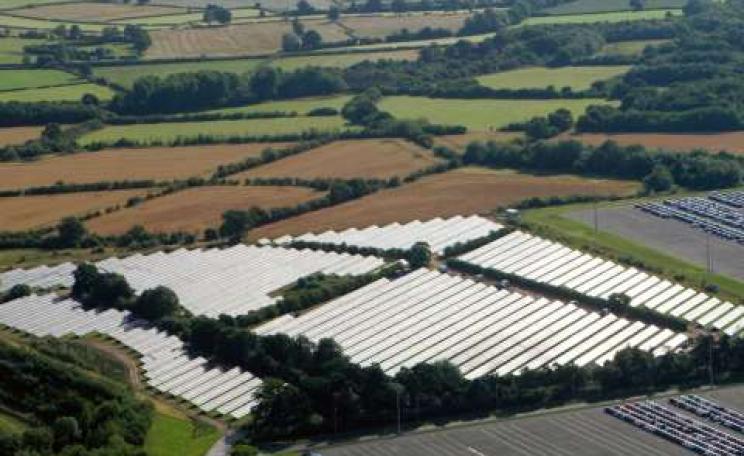
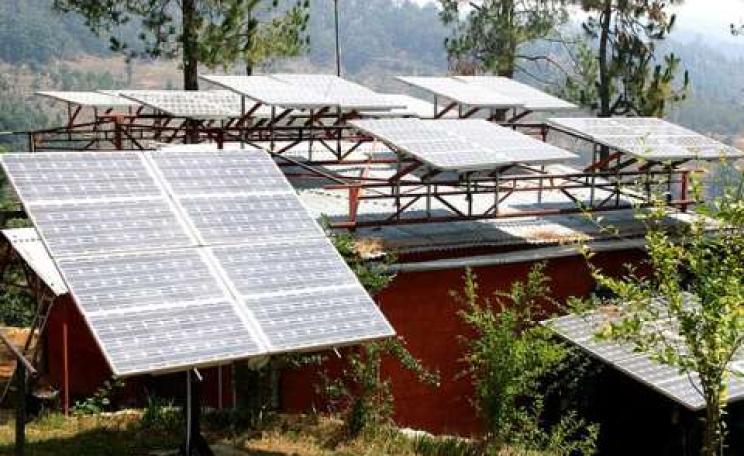
With the Government wilfully undermining the UK's small but fast-growing solar power sector for the second time, Jonathon Porritt wonders ... why the attacks on what is our second lowest cost source of renewable energy, and getting cheaper all the time?
In Ken Silverstein's 'The Secret World of Oil', Louis Proyect investigates the uber-wealthy middlemen of oil, inhabiting a pampered universe of moral squalor and depravity - one in which Tony Blair found himself completely at home.
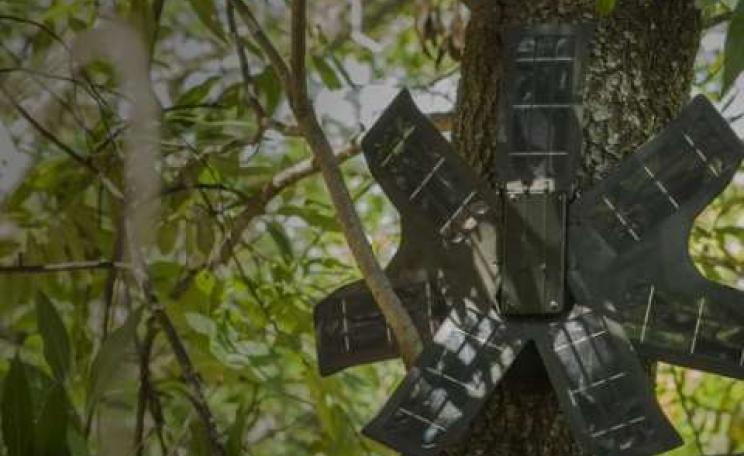
Networks of recycled smartphones are powering a crack down on illegal logging and poaching, writes Alex Kirby. The technology will help combat devastation of trees and wildlife in threatened habitats worldwide - beginning with Africa.
The US Fish and Wildlife Service has done pioneering conservation work to save North America's endangered Red Wolf, under threat from shooting and inter-breeding with coyotes. But now federal budget cuts are putting all that - and the Red wolf itself - at risk.
Ample peer-reviewed science says that the number one threat to condor survival is lead poisoning from eating bullets and pellets in carcasses, reports Dawn Starin. But the powerful NRA is fighting hard against bans on lead ammunition.
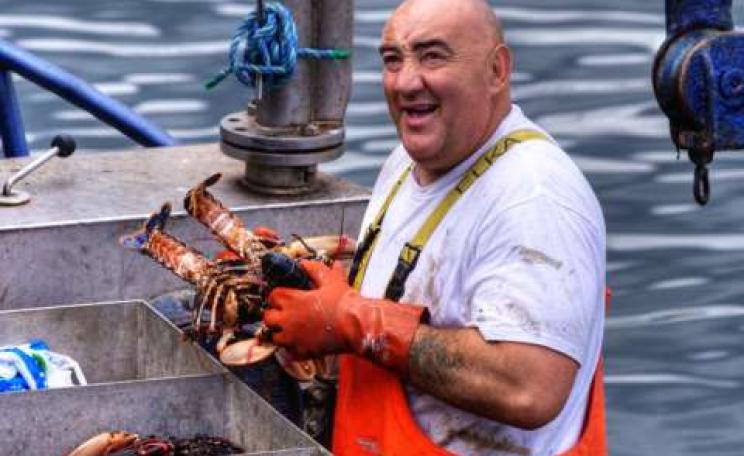
Fishing quotas were meant to conserve stocks and support fishing communities, writes Emma Cardwell. But they have achieved the reverse - rewarding the most rapacious fishing enterprises and leaving small scale fisherfolk with nothing.
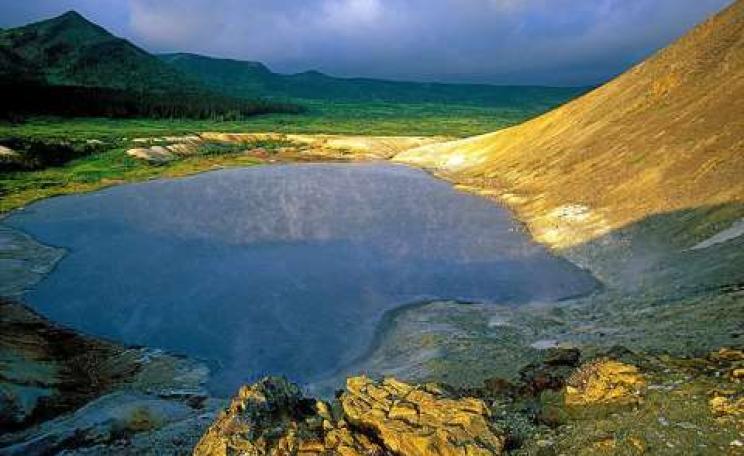
Russia is rich in nature reserves and national parks, writes Mikhail Kreindlin. But the government body meant to be protecting them is in fact promoting logging, building and mining projects. Conservationists are fighting back, but the odds are stacked against them.
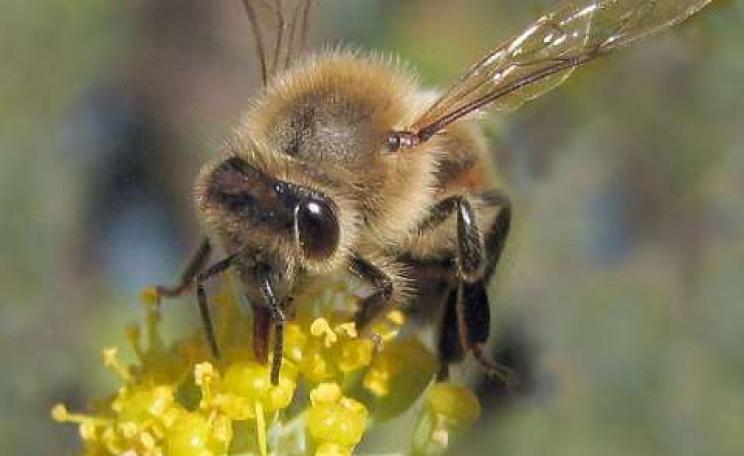
Blaming 'lack of time', Syngenta withdraws its emergency application to use a seed treatment blamed for killing bees. Friends of the Earth and 38 Degrees claim victory - but Syngenta warns: we'll be back!
Two thirds of the world's investment in building new power generation until 2030 may go to renewable energy, reports Rosie Murray-West, causing CO2 emissions to peak at end of the 2020s.
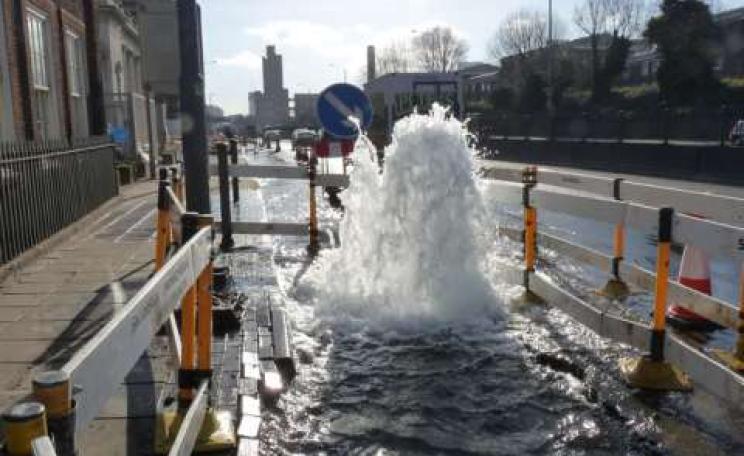
Using sophisticated financial engineering, Thames Water is making its customers pay almost the whole cost of its £4.2 billion London sewage tunnel. Is it time England ditched corporate ownership of its utilities and adopted Wales's 'non-profit' model?
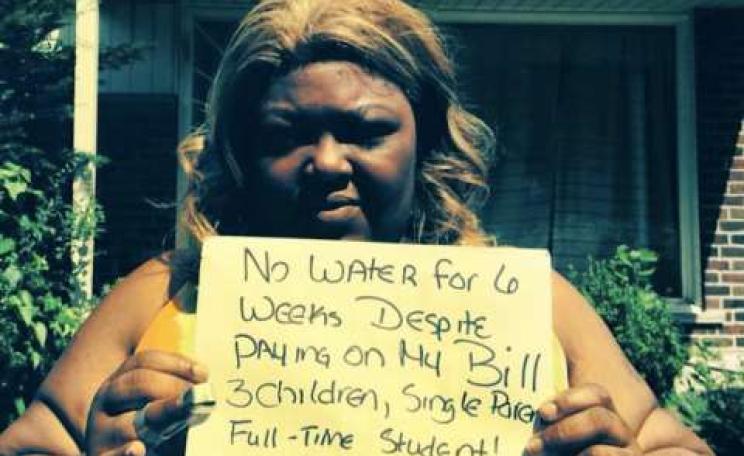
Detroit is shutting off water to 40% of residents to prepare the water system for a corporate buyout, writes Justin Wedes. Residents are organizing to resist the water shuttoffs, anti-democratic rule and the demands of Wall Street - but they need our help!
In modern India any form of dissent from the neoliberal corporate model of development is being criminalised, writes Kumar Sundaram. Opponents of nuclear power, coal mines, GMOs, giant dams, are all under attack as enemies of the state and a threat to economic growth.
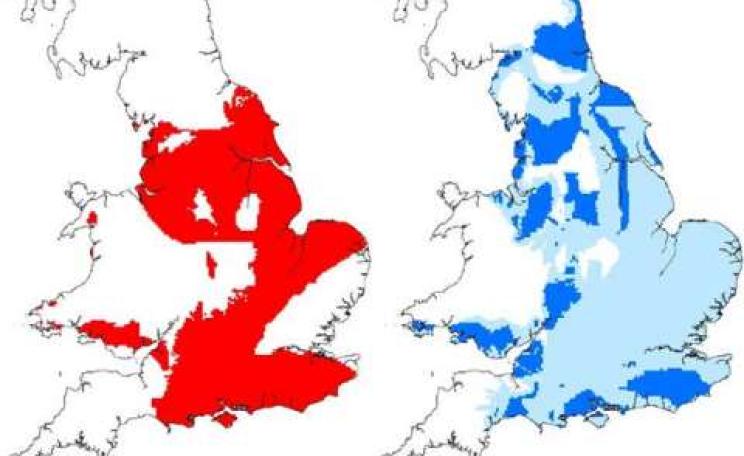
A study by the British Geological Survey and the Environment Agency reveals that almost all the the oil and gas bearing shales in England and Wales underlie drinking water aquifers, raising fears that widespread water contamination could occur.
Thirty-five distinguished scientists urge the US-EPA not to register new mixtures of the herbicides 2,4-D and glyphosate, intended for use on herbicide-tolerant GMO crops. Approval of the herbicide mixtures would endanger both human and environmental health.
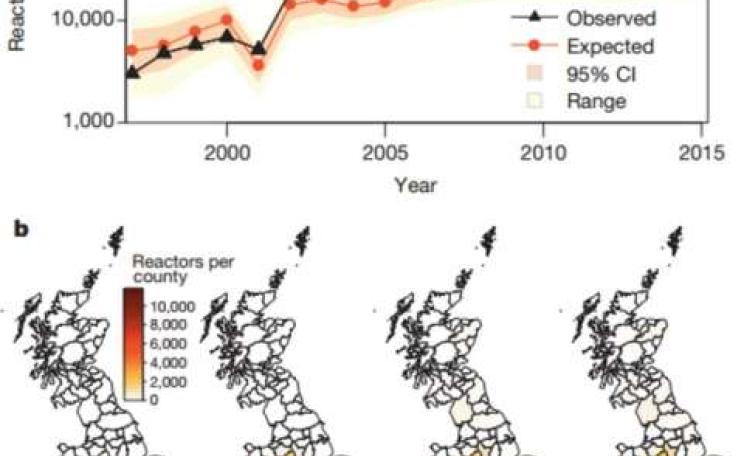
Published in Nature today, a new cattle herd model shows how bTB infects cattle and how to halt its spread, writes Matt Keeling. Most effective is the slaughter of entire herds with even a single TB infection detected. Culling badgers has very little impact.