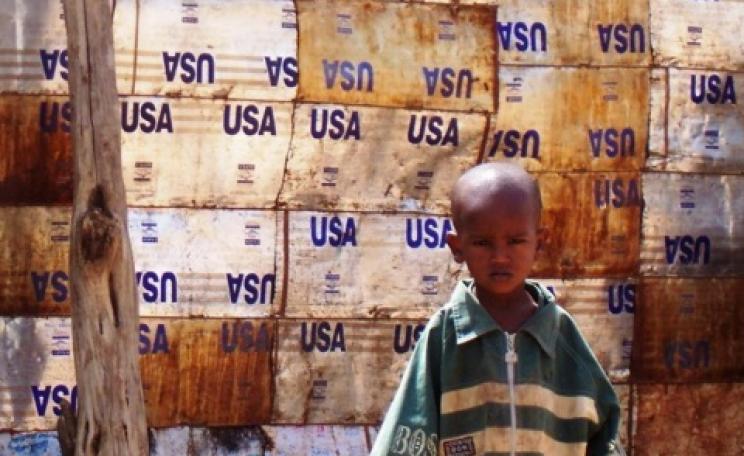
The US taxpayers who finance foreign food aid surely believe they are feeding starving people, writes James Bovard. But the truth is the reverse - it is undermining indigenous agriculture in recipient countries - creating famine and chronic malnutrition, while sabotaging self-sufficiency.
Amid Spain's general depression, Marinaleda - an Andalucian town sometimes dubbed the 'communist utopia' - is bucking the moribund trend with a heady mixture of direct action, community-level democracy, cooperation and mutual aid.
How did Germany do it? No, not its World Cup victory - how did Germany engineer Europe's highest penetration of renewable energy, plus fast-dropping electricity prices? Keith Barnham explains - and says the UK could do the same, and better!
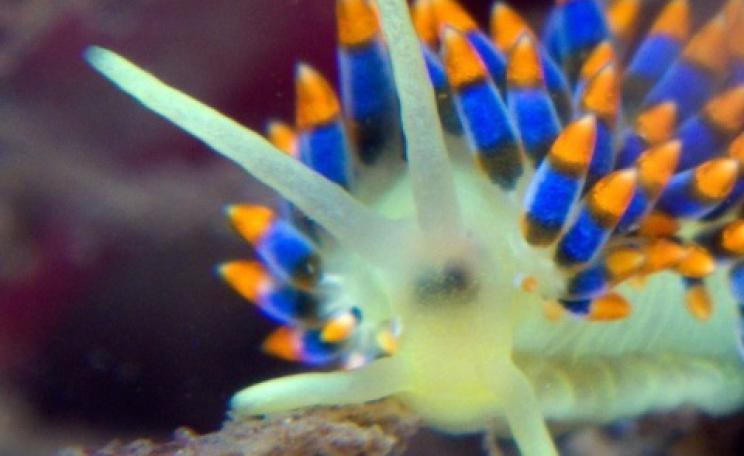
Scotland's network of marine reserves doubled in area today with the designation of 30 new marine reserves. The move has been welcomed by green groups who have long campaigned on the issue - but they warn: this is where the real work begins.
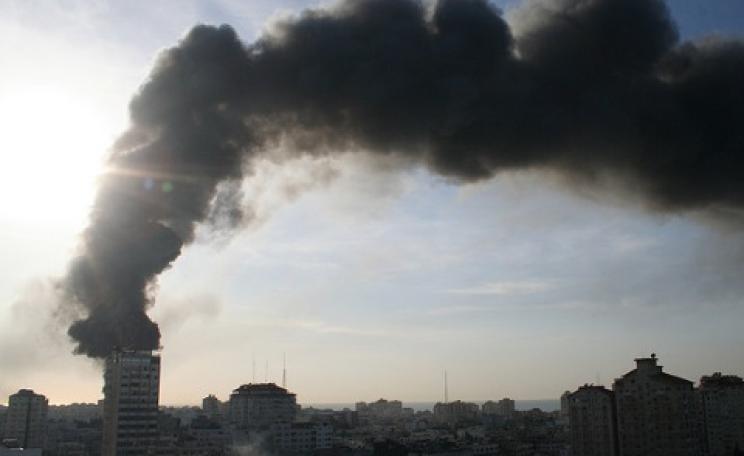
In this war, both sides have declared the same aim - to put an end to the situation that existed before it started. Remarkably, writes Uri Avnery, they can both have their way: an end to the rockets, bombs and shells; an end to the blockade and the occupation. In short, peace. But first they must talk to each other ...
To live sustainably we must learn to live with wildlife, Patrick Barkham argues in his book Badgerlands. To do this we have much to learn from our ancestors - but we must also discard their barbaric practices and outrageous myths that, even today, some are so keen to perpetuate.
A new report on the Channel's fisheries is a timely reminder of the ecological trend to 'simplification' as whole trophic levels are stripped away by over-exploitation, writes Horatio Morpurgo. Yet the government's profit-focused vision of 'sustainability' is missing the essential element - allowing the recovery of marine ecosystems.
A global taxonomic review of birds has 'discovered' 361 new species that were previously considered 'races' of existing bird species - but many of them are endangered, forcing a rethink of conservation priorities.
Israel desperately covets Gaza's gas as a 'cheap stop-gap' yielding revenues of $6-7 billion a year, writes Nafeez Ahmed. The UK's BG and the US's Noble Energy are lined up to do the dirty work - but first Hamas must be 'uprooted' from Gaza, and Fatah bullied into cutting off its talks with Russia's Gazprom.
As a youngster on a small farm, antibiotics saved Richard Young's life after a scratch on barbed wire led to septicemia. Now, he's campaigning to stop the routine, mass use of antibiotics on intensive farms, so that they can carry on saving human lives for many years to come ...
Forest-dwellers in Buriram province involved in a land dispute with the Thai government have been forcibly evicted, intimidated, arrested, held without charge, and dumped on a site unfit for human habitation with no water supply.
Surging Chinese demand for rosewood used in 'hongmu' furniture is ruining forests across southern Asia, writes Zuzana Burivalova. As demand surges, China must impose stricter regulations and harsher punishments or the forests may never recover.
The EU's Fuel Quality Directive is set to be the first casualty of the TTIP trade talks, writes Derek Leahy. Canada and the US have threatened to pull out unless the EU ignores the massive emissions of oil from tar sands - and the EU is collapsing under the pressure.
A new report names the 30 biggest sources of greenhouse gases in the EU, writes Kieran Cooke. Coal-fired power plants are undermining Europe's long-term targets on emissions reductions - and the UK and Germany lead the list of shame.