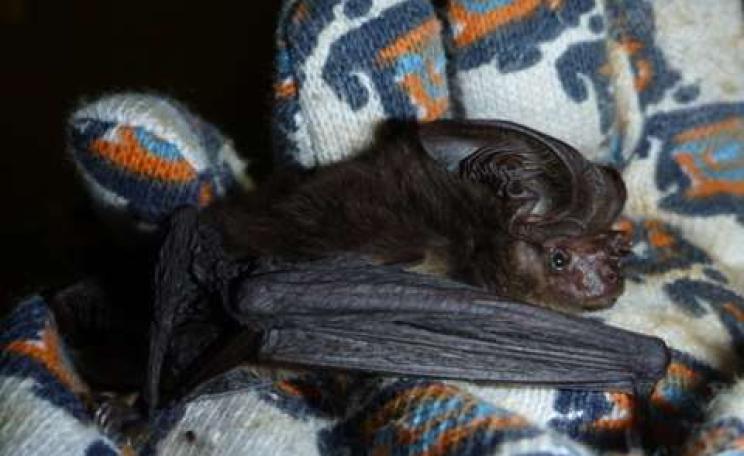
A 'microbat' that has remained unrecorded since 1890 has been discovered in Papua New Guinea. But with the country's forests under growing pressure from logging and for conversion to plantations, this and thousands of other biological treasures are at risk.
Developers are determined to build a massive motor sports complex on common land above the South Wales valleys, on the edge of the Brecon Beacons National Park, writes Kate Ashbrook. But although they have planning permission, they can still be defeated. Image: Ross Merritt, via Flickr.
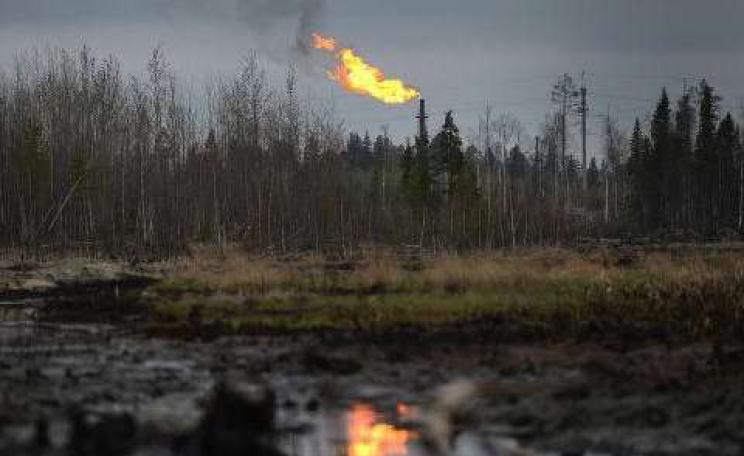
Russia’s oil Goliaths have been devastating vast areas of natural landscape, and indigenous people’s lives, in their rush to extract the black gold that lies beneath. But as Georgy Borodyansky reports, a family of reindeer herders has taken them on.
It's fine for 'green' groups to plant trees, or rescue baby flying foxes, write Susan & Bill Laurance. But when they campaign for the environment, right wing politicians see red, Moves are now afoot to strip advocacy groups of their charitable status, reflecting a broader clamp down on eco-activism across the Asia Pacific region in China, Cambodia, Lao and India.
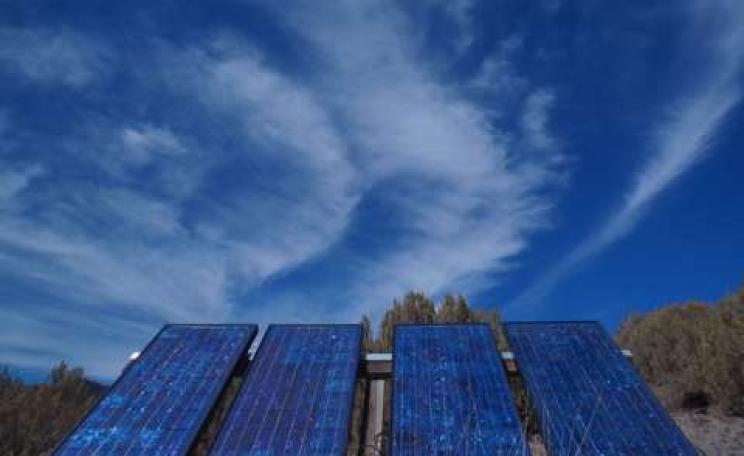
As renewables grow in scale, and fall in price, the threat to electric utilities becomes ever more clear, writes Tyler Hamilton. The last thing they needed was Barclays downgrading their corporate bonds ...
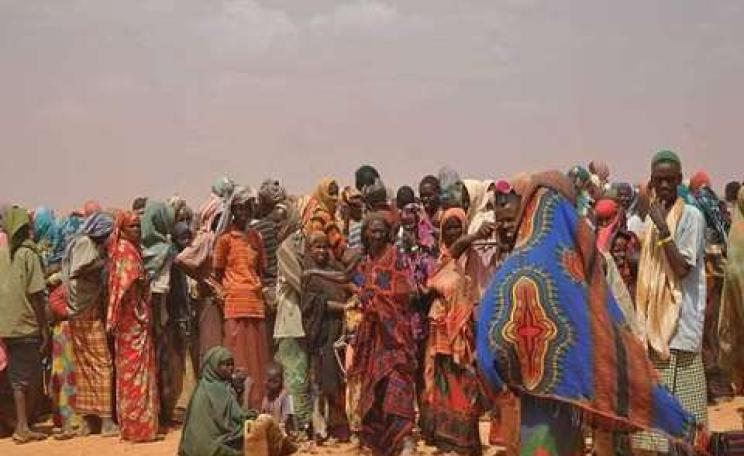
Governments worldwide have been warned: draw up plans to help populations who are being forced to move because of climate change, or face a future of growing conflict and insecurity, writes Paul Brown.
Flame retardant chemicals lower children's IQs, disrupt hormone function and cause a host of other health problems, writes Pat Thomas. Yet they are ubiquitous in homes and offices, even in bedding and accessories for babies and young children.
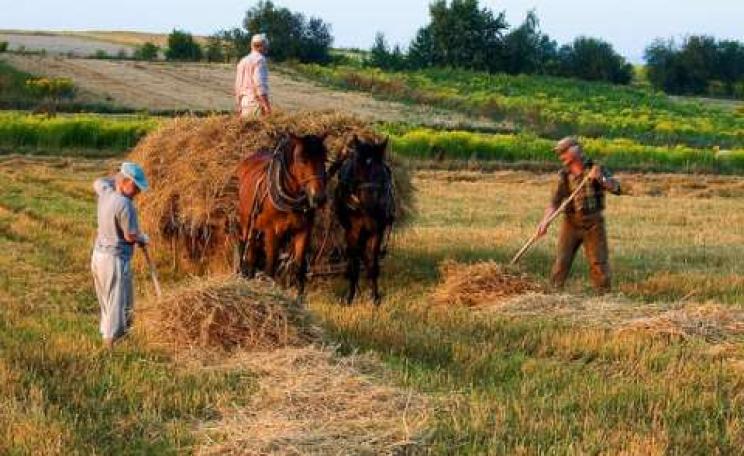
In our modern world of supermarkets and on-demand delivery, its easy to forget about the few remaining 'real farmers' who grow healthy, wholesome food, writes Julian Rose. But it won't be long before we give them the appreciation they deserve ...
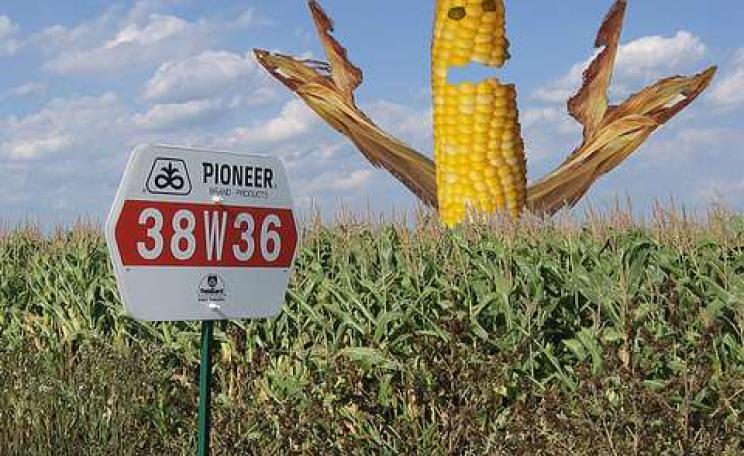
The EU's Environment Council voted today to devolve GMO decisions to member states - in effect allowing pro-GM governments to go ahead. This messy compromise threatens to allow GMO corporations to ride roughshod over Europe.
A remote corner of Sweden's Arctic forest has become a battleground, writes Alex Forss, over proposals for a huge iron mine that would occupy a key reindeer migration route. And with their cultural and economic survival under threat, it's a battle the Sami cannot afford to lose.
The cash-strapped Cumbrian Museum is rebranded to tell 'The Sellafield Story'. The UK's favourite scientist Brian Cox and Government Minister Baroness Verma provide razzmatazz along with the Happy Robot. Lollypops anyone?
Climate negotiators in Bonn are hammering out the basis of a new global agreement - but have they got it all wrong? Taxing carbon consumption, rather than trying to regulate emissions, could stimulate the low carbon revolution the world needs.
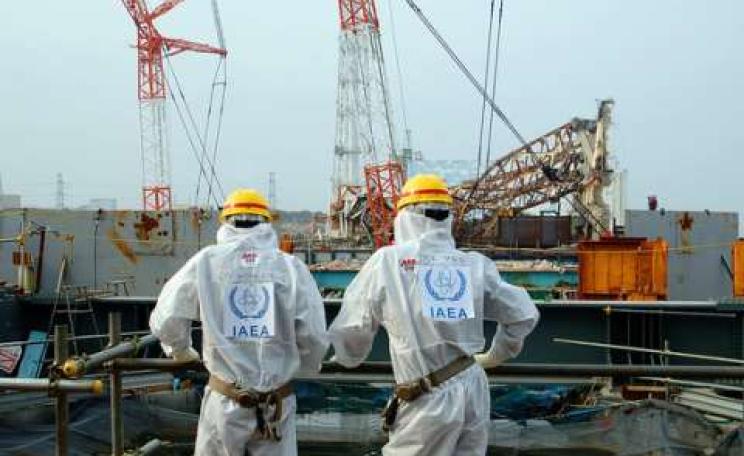
Fukushima has largely disappeared from the mainstream news, writes Harvey Wasserman. After all, who wants to read about children with cancer, continuing huge radiation leaks, and the very real possibility of another catastrophe as big as Chernobyl?
France, Germany and other wealthy countries have positive policies on climate change, writes Steven Herz. So why are they handing out back door financing for new coal power stations abroad via 'export credits'? Over $5 billion from EU countries since 2007 ...
Visit the British Museum's hugely successful Vikings exhibition, and you can't miss the BP branding - a fair price for their sponsorship? No way, writes Chris Garrard, who will join a 'flash-horde' at the Museum next Sunday and give BP its last rites in a Viking longship.