Things are looking up in one of New York's least affluent boroughs, with the construction of the latest cutting-edge green development designed for low-income families
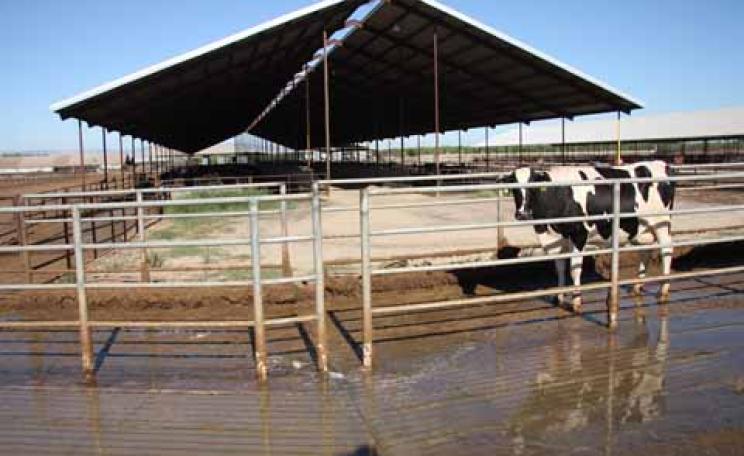
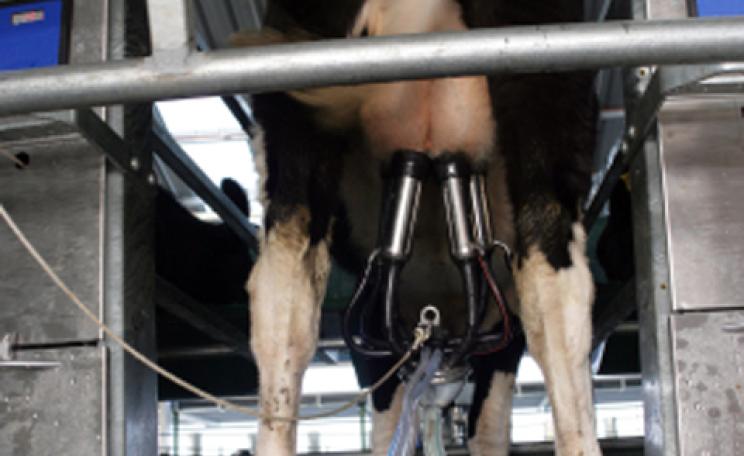
With planning permission for Britain's biggest dairy at Nocton about to be re-submitted, The Ecologist travels to California to examine intensive milk production - and finds factory farms, conflict, intimidation, pesticides, pollution and small-scale farmers driven out of business...
With planning permission for Britain's biggest dairy at Nocton about to be re-submitted, The Ecologist travels to California to examine intensive milk production - and finds factory farms, conflict, intimidation, pesticides, pollution and small-scale farmers driven out of business...
An average one in four people in the UK will suffer a mental health problem at some point. New research, and a pioneering therapy project, are proving that nature and the wild outdoors have the power to heal and should be included within a mix of treatments
With planning permission for Britain's biggest dairy at Nocton about to be re-submitted, The Ecologist travels to California to examine intensive milk production - and finds factory farms, conflict, intimidation, pesticides, pollution and small-scale farmers driven out of business...
The role of economics and the future of capitalism will be to preserve our natural resources rather than destroy them but the US may be missing the message, says economist Graciela Chichilnisky
With planning permission for Britain's biggest dairy at Nocton about to be re-submitted, The Ecologist travels to California to examine intensive milk production - and finds factory farms, conflict, intimidation, pesticides, pollution and small-scale farmers driven out of business...
Plans for an 8,100-cow dairy farm at Nocton in Lincolnshire will ‘polarise’ farming in the UK and destroy smaller rural-based family farms say those working in the sector. Tom Levitt investigates
Advocates of Britain's biggest dairy farm, at Nocton, have sold the concept on the basis of its outstanding animal welfare and environmental credentials. But new evidence suggests this may not be possible without public funding. Andrew Wasley reports