The Shadows of Consumption: Consequences for the Global Environment is the latest offering from Canadian academic and former chess champion, Peter Dauvergne.
We continue our coverage of the UN Climate Talks in Poznan, Poland where the big issue on the table is "how to reduce emissions from deforestation"? The big push from investors is to incorporate forests into the carbon markets, but this approach is riddled with problems. Friends of the Earth International has warned that this would "create the climate regime's biggest ever loophole." We speak to Miguel Lovera, chair of the Global Forest Coalition about his concerns and his proposals for an alternative way forward. Meanwhile in Brussels, European country delegates have been agreeing new targets for biofuels for road transport. This will increase deforestation and emissions from other changes in land use. We speak to Robert Bailey of Oxfam International and ask why this disaster has been allowed to happen. To find out more <a href="http://coinet.org.uk/discussion/climate_radio/fab"> click here
As the worst drought in 100 years makes its effects felt in the southern hemisphere, Dan Box asks whether the Australian interior is becoming a terra nullius – a genuine no-man’s-land
History will remember 2008 for its ‘crisis of capitalism’. The crash on Wall Street was the game-changer in the US election race, and it could soon be remembered as the gamechanger on climate change, too.
‘Recycling since 1997’ reads its motto. This year, two tonnes of fashion waste was diverted from landfill and into the funky, fresh designs of the From Somewhere label.
Many mainstream toiletries’ incompatible ingredients require chemicals to bind them together. Pat Thomas considers the alternatives to this unholy alliance
Just as the humanitarian crisis of the Second World War gave birth to the swift implementation of the Universal Declaration of Human Rights 60 years ago in 1948, we now have a planetary crisis that needs to be addressed with equal urgency. Now is the time to call for a Universal Declaration of Planetary Rights.
Credited in the Guiness book of records as the world's most slippery substance, Teflon has escaped the scrutiny of environmental regulators for 50 years. Now evidence suggests that the chemicals that leak from the Teflon pans during cooking may be more harmful to the environment and human health that DDT
The Campaign against Climate Change aims to bring people together both in the UK and around the world to produce the biggest, most visible and loudest possible demand for urgent, radical and resolute action on climate – both from our own government here in the UK and from the nations of the world acting together.
We continue our lead in to this year's UN climate talks in Poznan with a look at a proposal that seeks to break the current deadlock and lead to a fair deal which both delivers climate safety and protects the poor. The Greenhouse Development Rights framework is supported by Christian Aid, Oxfam, Stockholm Environment Institute and the Heinrich Boll Foundation. We speak to Tom Athanasiou, Director of EcoEquity and co-author of the GDR framwork.
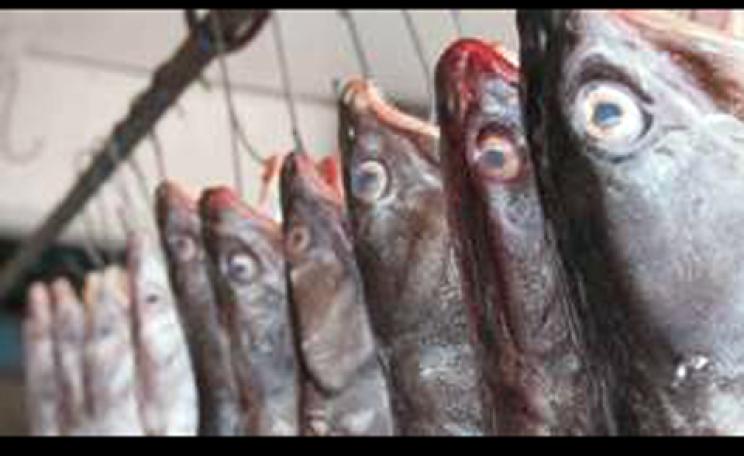
The coast of Peru is being blighted by a fishmeal industry that's sprung up to satisfy the West’s voracious appetite for salmon – now marine life, human health and whole ecosystems are paying the price. Andrew Wasley and Jim Wickens report