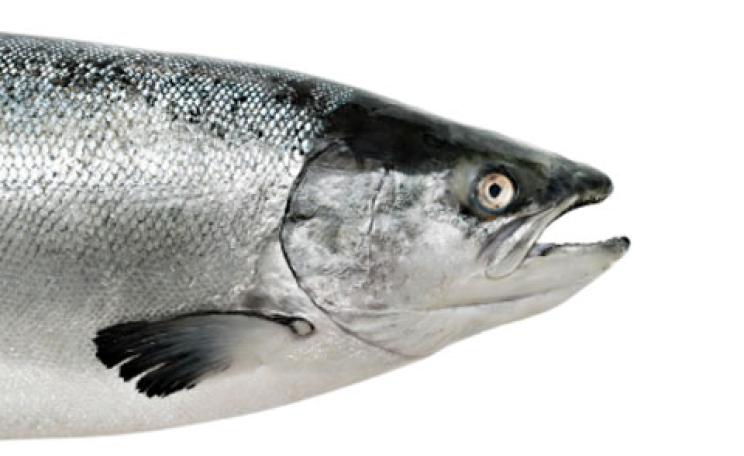
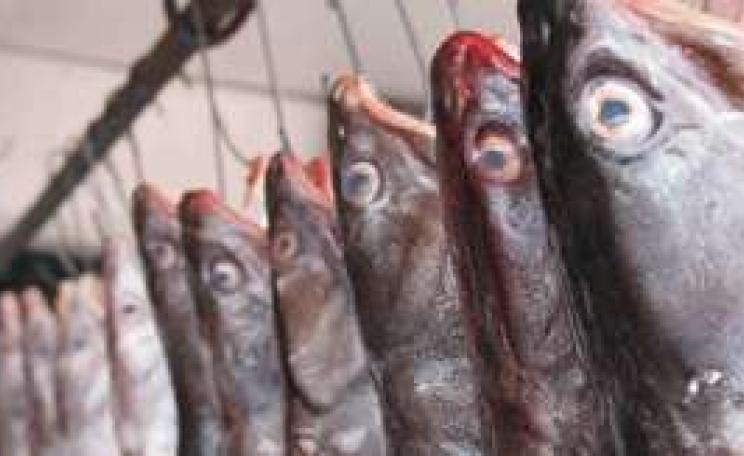
The coastal towns and villages of Peru are being blighted by an industry that has sprung up to satisfy the West’s voracious appetite for fish – now marine life, human health and whole ecosystems are paying the price. The Ecologist Film Unit investigates
The way we present the fight against climate change can be as important as the fight itself. It ain’t what you say, it’s the way that you say it, counsels Ed Gillespie
What can we expect of December’s meeting of the UN Framework Convention on Climate Change (UNFCCC) in Poznan, Poland? The main question will be how to follow the Kyoto Protocol’s first ‘commitment period’, which ends in 2012.
Buy Nothing Day is an annual event to protest our consumerist culture. Consumers are encouraged across the world to stay out of malls and put their wallets back in their pockets for just one day. Started back in 1992 in Vancouver, Canada by Ted Dave, it was popularized by the Adbusters media foundation and it has spread to become an international day of action.
Last year celebrity pig farmer Jimmy Doherty kept 1000 organically reared pigs, while this year apparently he's raised barely 200. But if Jimmy’s farm is on the skids, the same cannot be said of his career as a media celeb.
We start our coverage of this year's UN Climate Change talks in Poznan, Poland with a look at an alternative proposal for a global climate deal called ‘Kyoto2’. The scheme would limit emissions by rationing the production of fossil fuels at source and would generate a trillion dollar fund to help poor countries adapt to climate change, to preserve forests and to help decarbonise the globe. There is also a strong component of direct regulation. We speak to the scheme's architect, Oliver Tickell.
The history of humankind might also be said to be the history of warfare. From Roman times to the present day, human conflict has been the hallmark of our historical progression. But the fight against ourselves isn’t the only war we’ve embarked upon.
Across, the pond, the news that one of the US's most iconic birds might be helping to spread the West Nile virus is about as welcome as suggesting Jesus was a communist
As a result of a massive civil society campaign, the UK will soon pass historic legislation which will bind the government to reducing greenhouse gas emissions by 80% by 2050. However a major loophole remains which threatens the credibility of the Bill - there is no limit on the amount of international credits the UK can buy up in order to meet this target. Will this loophole be closed before the law is given Royal Assent?
‘Britain’s astounding retreat from reason is now legitimising anarchy.’ That was the conclusion of the hotblooded screaming radical Melanie Phillips, writing for The Spectator.
In the past decade, the sales pitch of the biotech companies has shifted with the climate of public opinion. Public scepticism has remained high, but politicians seem to have bought enthusiastically into the GM ‘solution’. In many ways this encapsulates where science has gone wrong – by inventing technologies without first deciding what problems need addressing. If GM crops are the answer, what exactly is the problem?