Get into an argument with a climate change sceptic, and sooner or later they’ll trot out the old arguments about it being all due to cosmic rays, or the sun.
Unravelling a garment’s green credentials isn’t easy, says Matilda Lee. Instead of fretting about what not to wear there’s a few simple things we can do (that could save money too)
A hundred years ago, markets ruled: fortunes were made, workers abused, bubbles blown. The Austrian School of economists, led by Ludwig von Mises, said this was fine: despite temporary messiness, the market knows best.
The bird is now bones, the gravy glue, the roast veggies are on their way to becoming a source of winter fuel and as soon as everyone’s dinner has gone down a bit, it will be time to do the washing-up. If you are one of the 64 per cent of households in the UK that doesn’t own a dishwasher, chances are there will be a trusty bottle of Fairy Liquid by the sink to get the job of washing-up done.
The UN Climate Talks witnessed a crisis point. Nothing on the table seemed to match the scale of the challenge and corporate interests are rife. As the talks in Poznan in 2008 were coming to an end, we took stock with three key protagonists. To find out more <a href="http://coinet.org.uk/discussion/climate_radio/unct_p"> click here
A dose of flu in winter is as inevitable as a broken boiler – and usually as harmless. But as public health expert Dr Michael Greger explains, intensive farming of animals around the globe may mean we are hatching out an influenza timebomb
With her free-ranging flock of conservation grazers, Britain's only close shepherd is resurrecting a greener way to manage the countryside. Dixe Wills reports
Tracy Worcester's film <i>Pig Business</i> exposes the abuses of factory farming and challenges consumers to make a stand. Phil Moore meets a woman on a mission.
The pesticide industry knows all too well that nature quickly develops immunity to its chemical armoury. But a new study by scientists at the Instituto Gulbenkian de Ciencia (IGC) and the Faculty of Science of the University of Lisbon, in Portugal has shown that a species of worm can develop resistance to a common pesticide in just 20 generations, or 80 days.
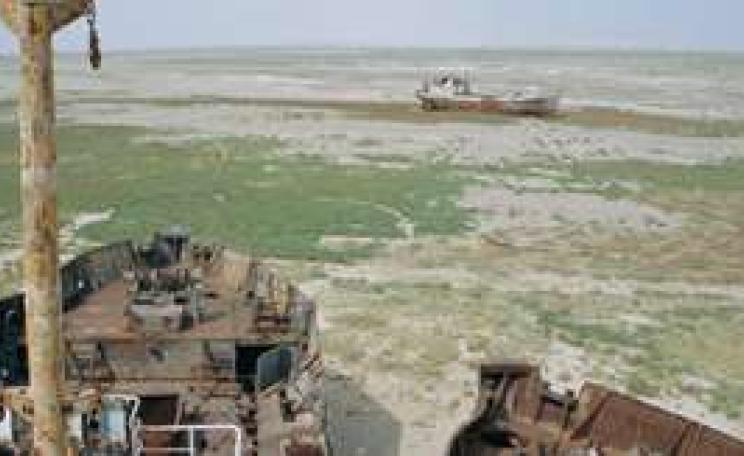
Does the Aral Sea, the biggest environmental disaster of the 90s, offer us cause for hope? Paul Miles reports, and sees parallels with a bigger man-made disaster – climate change