Twice as expensive as petrol, three times the price of milk, and 10,000 times more expensive than tap water. Is it worth it, and what impact is it having on our environment?
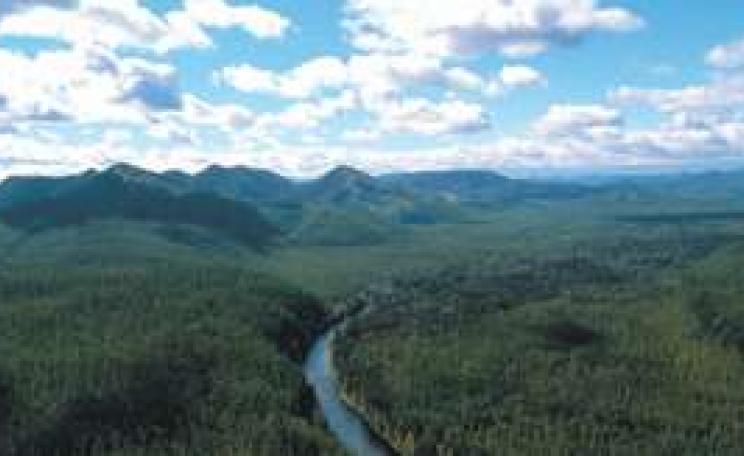
Russia’s zapovedniks are some of the world’s most pristine wildernesses. For 70 years they were protected ruthlessly by the Soviet system, but recently they have fallen prey to Putin, the World Bank and ecotourists. Paul Webster reports on their plight
Ros Coward reports from Murcia in southern Spain, the driest place in Europe, where tourism and intensive agriculture is draining its meagre water supplies and causing a growing environmental crisis.
As the people of Argentina are driven by economic collapse to the point of starvation, a new solution is being imposed upon them. Ben Backwell reports on a country being force fed genetically modified soya designed not for humans, but for cattle
Measure for measure, GDP is the world’s hidden accounting scandal, the one that neither governments nor media will touch. Jonathan Rowe asks why we worship such a false idol
After years of failing to make its modified products do its bidding, the biotech industry is changing tack – now its modifying the protestors. Jonathan Matthews reports from South Africa
Or Myanmar, depending on which side of the military regime you find yourself. If like the companies below you support the regime, enjoy your visit to Myanmar. If not, please boycott Burma.
Since defeating the government in 1984 over its compulsory warble fly erradication scheme, Mark Purdey has been travelling the world to find the real cause of BSE and vCJD. His conclusions are controversial, fascinating, and if proved right, will cost the government millions in compensation.
We are obsessed with our odour. We slavishly scrub off all that makes us distinct as members of a species, and then spray ourselves liberally with a homogenous fug of the latest mass-marketed musk. Jeremy Smith wonders why
You can ‘structurally adjust’ an economy in a matter of years, but it takes longer to destroy a culture. Heiner Thiessen reports from Senegal on the impact of imposing a Western cash economy on a traditional African barter society
In the second part of our adaptation of Fatal Harvest’s iconoclastic analysis of agribusiness propaganda, The Ecologist reveals the real cost of industrial food.
We interrupt our regular programming for
a moral advisory... My country's war on the natural world parallels its war on that other silent Other, namely people who live far enough away to have their own God, to avoid our products, to traffic about in robes and dark skin.