Mining corporations, politicians and big NGOs are meeting in London today to plan the future of extractive industries in Africa, write Nnimmo Bassey & Sheila Berry. Absent African civil society and impacted communities, delegates are setting an agenda for 'resource-led development' that will cook the continent in the greenhouse gases of its plundered oil, gas and coal.
What's needed to pull the world's economy out of recession? According to the G20, it's a massive wave of 'infrastructure' development worth as much $70 trillion, writes Bill Laurance. But all the roads, mines, dams, pipelines and 'development corridors' will inflict massive damage on wildlife populations and natural havens, not to mention local communities that stand in the way.
Thirty years after diamonds were first discovered in Botswana's Kalahari desert, the Bushmen have been evicted, and the first diamonds have gone on sale. Happy Valentines!
Countries at the UN have agreed to start formal negotiations on a new 'legally binding instrument' to conserve the biological riches of the high seas that cover 45% of planet Earth, and ensure their sustainable use for the benefit of all mankind.
For 16 years the Thai government has ignored the plight of a community where toxic lead mine waste is causing severe chronic poisoning - defying both a 2013 court order, and its international obligations. It's just one of many toxic sites across Thailand that need to be cleaned up - but the government's main concern is to encourage further industrialisation.
Most gold mining in Peru causes serious environmental damage, write John Crabtree & Judith Condor-Vidal, but there is one exception - a Fair Trade certified mine close to the world-famous Nazca Lines. Now it's up to us to demand Fair Trade gold from the jewellery trade, rewarding responsible producers and expanding the market for new Fair Trade gold miners.
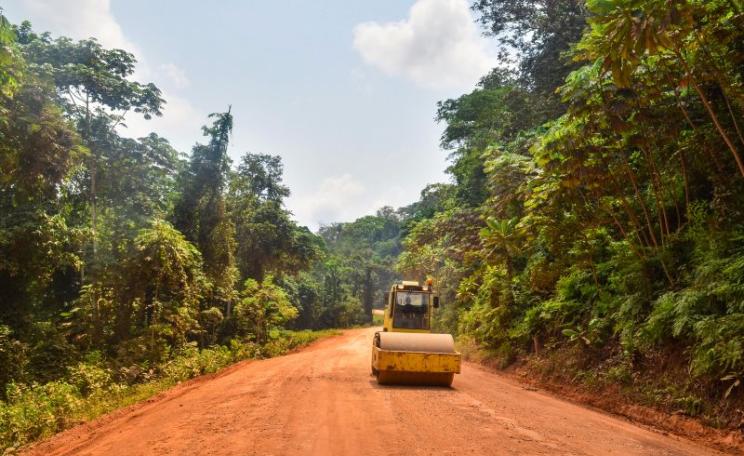
Africa is facing an unprecedented surge in road and railway building with 33 huge 'development corridors' planned that threaten 2,400 of the continent's protected wildlife areas, writes Bill Laurance. We must block the most destructive plans and limit avoidable impacts on natural areas - before it's too late.
This day 20 years ago one of Britain's most committed and effective environmental campaigners died trying to save a coastal forest in southern Madagascar from mining, writes Yvonne Orengo. The world has been a poorer place without Andrew Lees - and his fears for the Petriky forest and local indigenous communities have been proved all too close to the mark.
Two huge open pit mines in northern Norway are on the verge of approval, writes Tina Andersen Vågenes - even though they would dump hundreds of millions of tonnes of tailings in fjords where wild salmon spawn. Scientists are voicing serious concerns, and protests are growing, but government and mining companies appear determined to push the projects forward regardless.
As the Arctic ice retreats, a fragile but resource-rich landscape replete with oil, minerals, fish and islands is opening up, writes Conn Hallinan. A new land-rush is on, and it could all lead to war. But it can be avoided provided states respect the rule of law and build on existing regimes of cooperation to protect the precious Arctic environment.
The unregulated 'artisanal' gold mining sector is a massive source of mercury pollution and other environmental damage, writes Greg Valerio. But now the Fairtrade Gold initiative is helping miners to reform their practices with equipment, training and a hefty gold price premium. All it needs now is for consumers to demand Fairtrade Gold in all their jewellery purchases.
Legislation put forward by Brazil's re-elected President Dilma Rousseff would open up to 10% of protected areas to mining, writes Luke Parry. The effect would be to gut nature conservation in Brazil, already in a perilous state due to underfunding and growing pressure for the development of mines, dams, farms and plantations.
Lafarge Tarmac has withdrawn its bid to quarry Hopwas Woods following a huge local and national campaign. It's a victory to celebrate - but as the Woodland Trust points out, it also shows that none of our ancient woodland is truly safe from destructive development.
Left wing governments across the Americas are faced with a dilemma, writes Daniel Macmillen - high social spending programs financed by income from destructive mining and hydrocarbon extraction - or a slower but sustainable development path that puts ecology, equity and justice first. Their answer - a constant pushing back of the resource frontier.
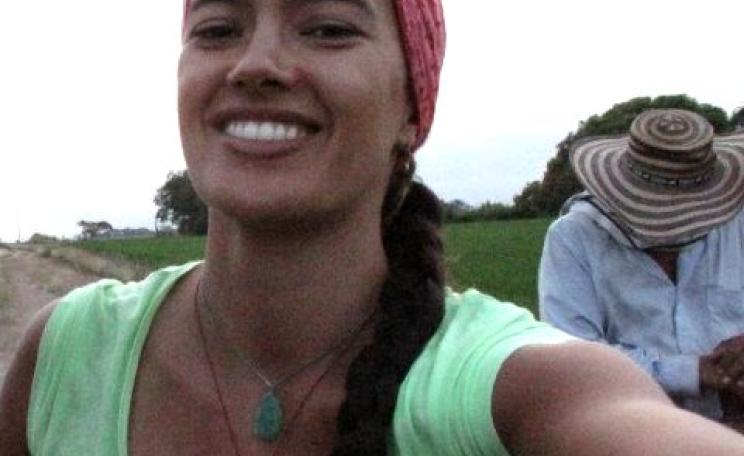
Doima, a small town in the Colombian highlands, is on the front line of battle against a giant government-backed gold mine that would fill a nearby valley hundreds of metres deep in over a billion tonnes of mine waste. Hal Rhoades met Mariana Goméz Soto, an activist in Doima's campaign to defeat the mine project.