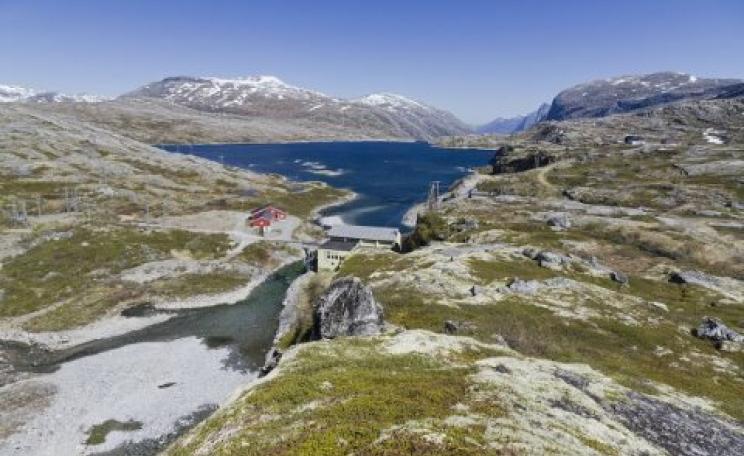
The first ever global life-cycle assessment of clean energy sources shows that a renewable system could supply the world's entire electricity needs by mid-century, writes Tim Radford.
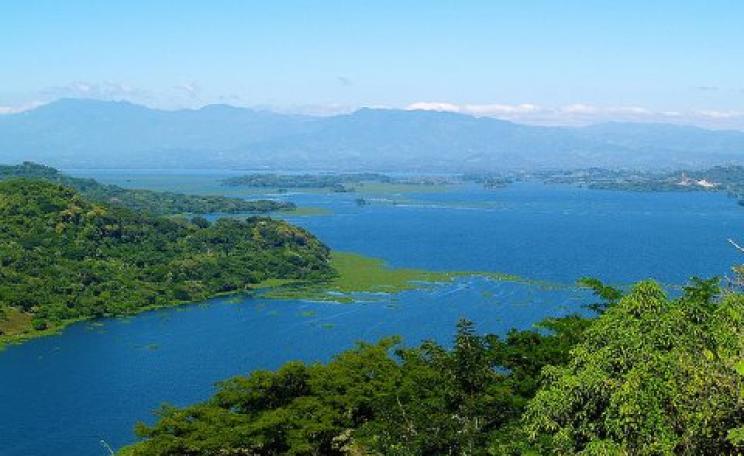
OceanaGold is demanding $300 million in compensation from impoverished El Salvador after a mining permit was refused to safeguard a clean drinking water source that millions of people depend on, writes Pete Dolack. The sum does not even represent losses - but profits the company claims it would have made.
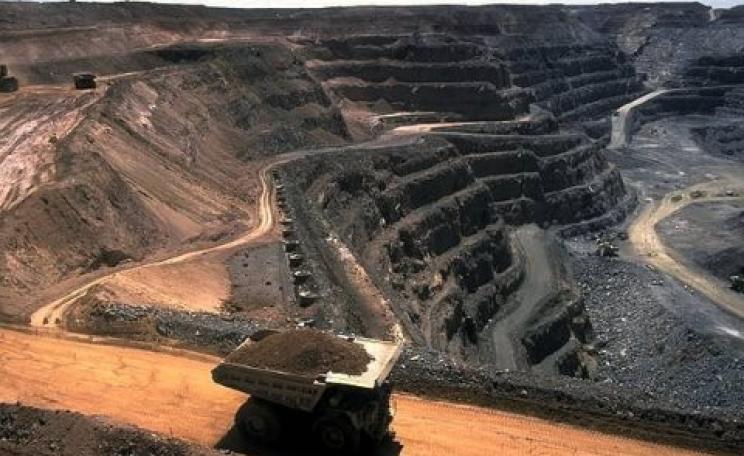
To tackle its serious air pollution, China is imposing stringent restrictions on dirty coal high in ash or sulphur, writes Shabbir Ahmad. One result: half of Australia's coal exports to China face exclusion, or extra 'washing' costs. But Australia's response is not to raise environmental quality. Instead, it's increasing production.
Sanctions against Russian natural resource tycoons could be good for the environment, writes eco-campaigner Konstantin Rubakhin - if only they would target the right people. But so far, the EU has been turning a blind eye to powerful Kremlin insiders with an open licence to pollute and destroy.
Ten years after promises of 'no mining' in Botswana's Central Kalahari Game Reserve, a $5 billion diamond mine opens a few miles from a Bushman village. Elsewhere in the Reserve, fracking is under way. And President Ian Khama, a director of Conservation International, denounces the Bushmen as 'poachers' and evicts them from their land.
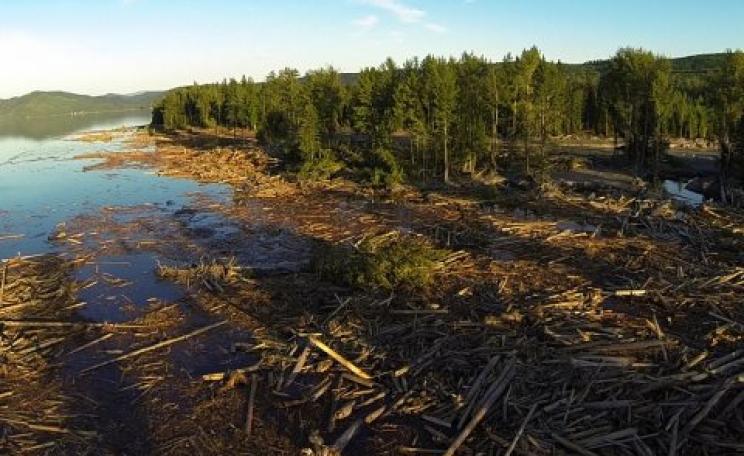
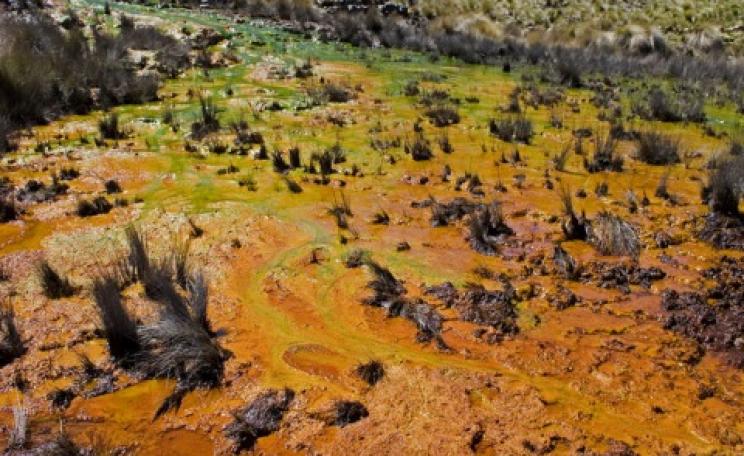
This month a tailings dam at the Mount Polley mine in BC breached, writes Carol Linnitt - spilling 14.5 billion litres of toxic mine waste into Quesnel Lake. A major source of freshwater and one of BC's premier fly-fishing destinations, the lake will never be the same again. But it's just the first big victim of Canada's wave of environmental de-regulation ...
Survivors of a previously unknown Amazon tribe have escaped gunmen in Peru, seeking refuge with settled indigenous communities in Brazil. But as Alice Bayer reports, their problems are far from over. Many remain under threat in Peru, and even the refugees are at risk of common but potentially lethal infections.
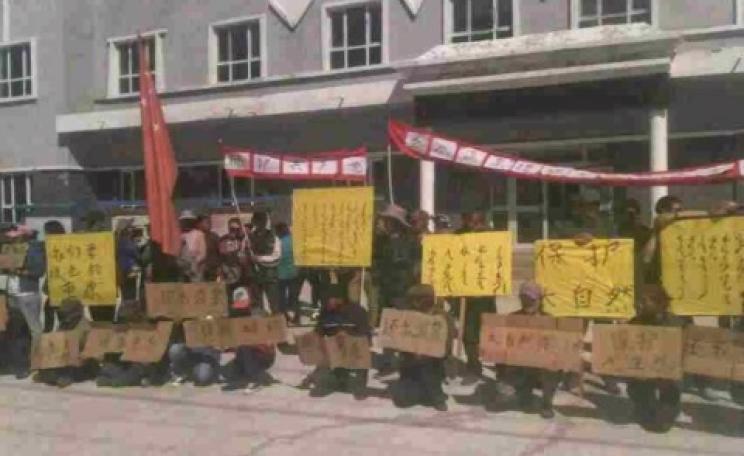
In China's remote Mongolian region, indigenous herders are being forced from their traditional pastures to make way for roads and vast mining projects. Last week they held a public demonstration - but it was immediately dispersed with ten arrests.
If the state does not defend citizens against the violence and destruction of mining, people and communities must defend themselves, writes Raul Zibechi. And in Peru and Colombia that's exactly what they are doing, re-asserting indigenous control of the land and its resources.
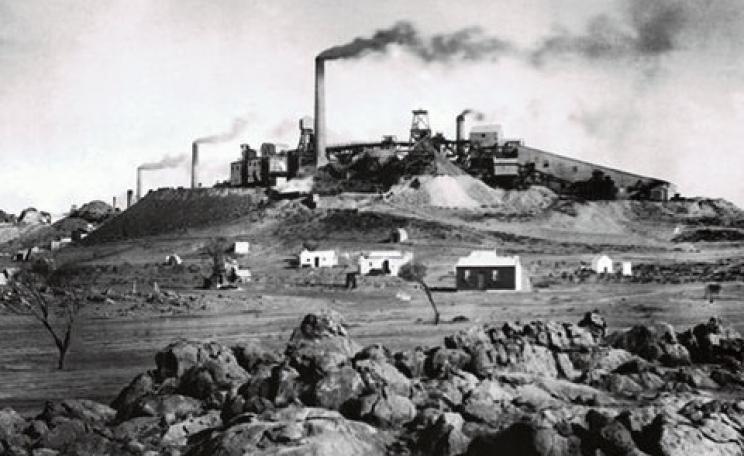
Ice core analysis shows that lead pollution in Antarctica took off in the 1880s as mining at Broken Hill, Australia, took off. Lead residues have fallen from their late 20th century peak, writes Joe McConnell - but they are still four times higher than in pre-industrial times.
Students, workers and civil rights activists gathered in their hundreds today in Delhi to protest at the mining company Vedanta, and the Indian government's support of highly destructive mining projects in forests and on indigenous peoples' lands.
As gold miners face eviction from Yanomami territory in the Brazilian Amazon, a rising tempo of death threats have been directed against the shaman Davi Kopenawa following his successful campaign.
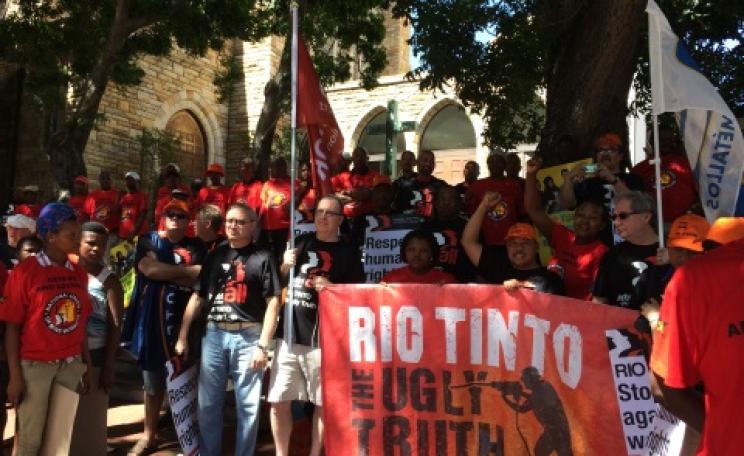
Global mining giant Rio Tinto markets itself as a 'sustainable company', writes Kemal Özkan. But serious failures in its reporting, and its attempt to hold an Australian indigenous group to ransom, reveal a very different truth: the company is driven by a reckless pursuit of profit at any cost.
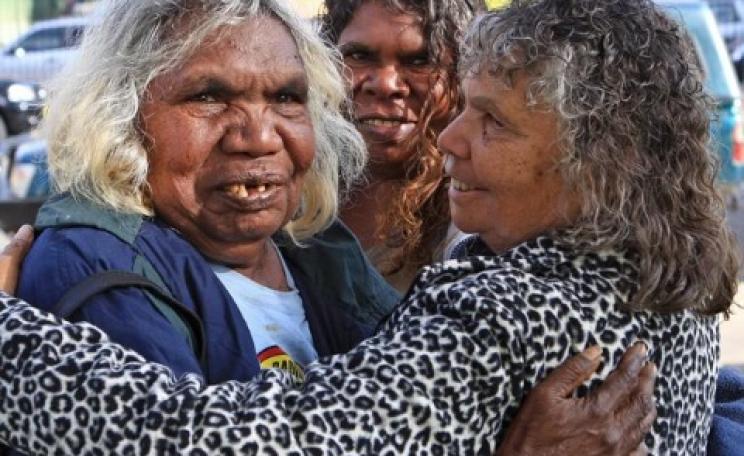
Australia's nuclear industry has a shameful history of 'radioactive racism' that dates from the British bomb tests in the 1950s, writes Jim Green. The same attitudes have been evident in recent debates over uranium mines and nuclear waste, but Aboriginal peoples are fighting back!
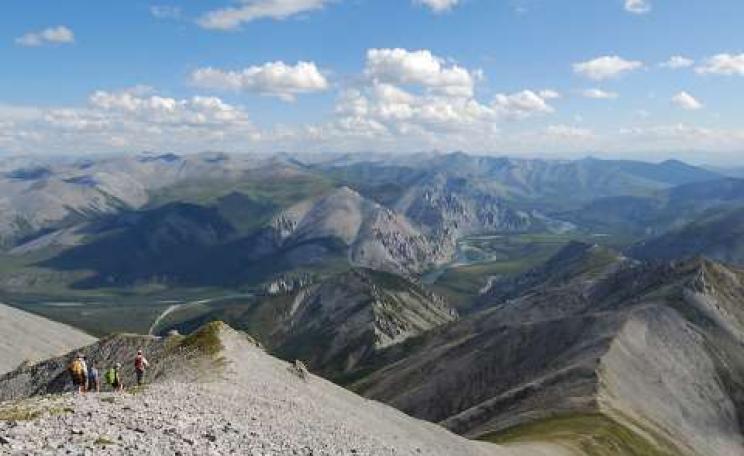
Next week the indigenous peoples of the Yukon challenge their Government in the Territory's Supreme Court, writes Jill Pangman. At issue, its plans to open the Peel watershed, a vast unspoilt ecosystem rich in wildlife and cultural meaning, for industrial development.