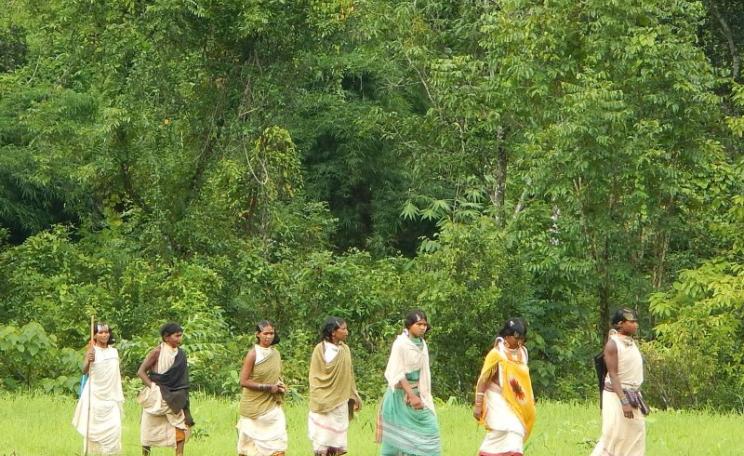
India's neoliberal government is attempting the mass seizure of indigenous lands, commons and forests in order to hand them over for corporate exploitation with mines, dams and plantations, writes Pushpa Achanta. But tribal communities are rising up to resist the takeover, which is not only morally reprehensible but violates India's own laws and international human rights obligations.
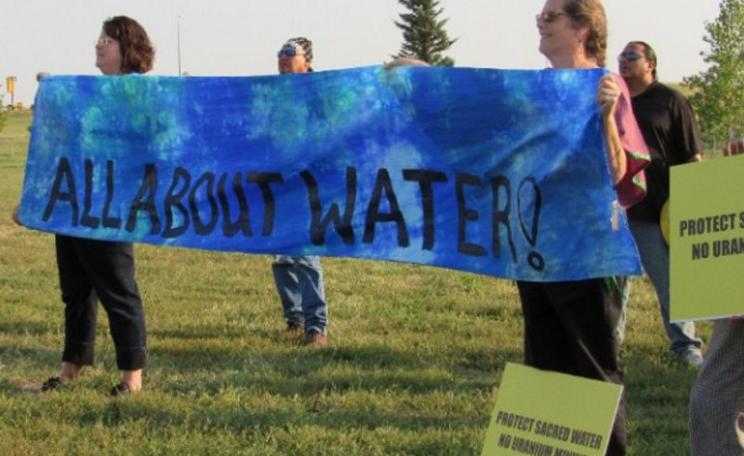
The impending renewal of the license for a uranium mine in Nebraska has ignited a years long resistance among those - most of them women - for whom good health and safe, clean water in the Ogallala aquifer is as important as life itself, writes Suree Towfighnia. But for others, jobs and money come first. Now the Nuclear Regulatory Commission must reach its decision.
Disastrous water pollution from gold mines in El Salvador has united government and people to oppose new metal mines, writes Lynn Holland. In Central America's most water scarce country, the imperative is to keep lakes, rivers and streams clean and wholesome. But there may be a heavy price to pay, with a Canadian mining company pressing a $300 million 'compensation' claim.
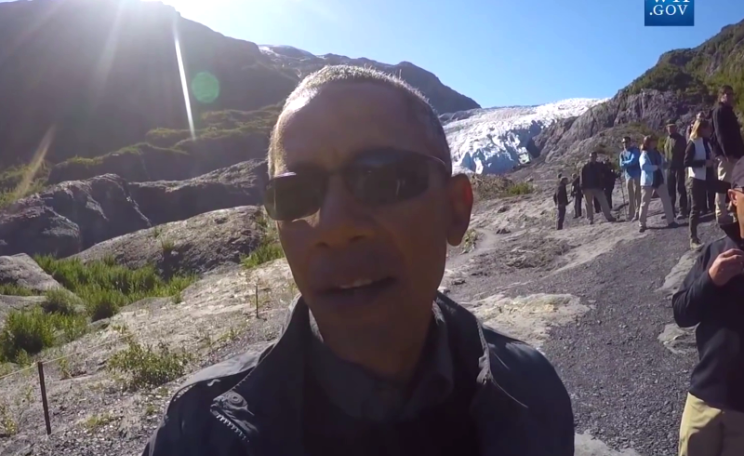
President Obama's whistlestop Alaskan tour highlighted his unique ability to believe in two completely contradictory ideas at once, writes Timothy Clark. On the one hand, the importance of climate change and the urgency of preventing dangerous warming. On the other, the importance of the Arctic's fossil energy and the urgent need to exploit it as rapidly and completely as possible.
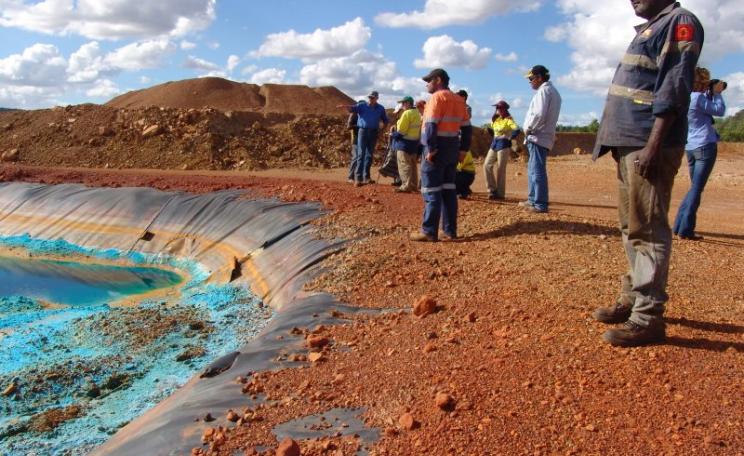
Indigenous Australians are systematically deprived of the benefits of mining and other developments, writes Seán Kerins, and being left to suffer their environmental impacts. As Abbott's government prepares a bonfire of 'red tape', it's time to put Indigenous interests first, and place their communities at the centre of decision making.
Canadian mining company Gabriel Resources is seeking over $2.5 billion damages from Romania after it rejected a vast gold mine at Rosia Montana, writes Oliver Tickell. Incredibly, it is taking legal action under a UK-Romania trade agreement.
Northern Ireland shows just how much we need the EU's laws protecting nature, writes Andy Atkins - and for the Government to enforce them. The province's wonderful natural heritage is at risk from aggressive and often unlawful developments. And the EU nature laws are essential for us to fight off a host of threats - among them sand dredging, gold mining, road-building and over-fishing.
A project to mine 225,000 acres of seabed in Baja California's San Ignacio lagoon threatens the myriad sea life of the area, writes Haydée Rodríguez: not just Gray whales but Blues, Humpbacks and Loggerhead turtles, from noise, disturbance and radioactive releases.
The renewable power boom is excellent news for people and planet, writes Pete Dolack. But let's not get carried away: much energy that claims to be 'renewable; like biomass and big hydro, is no such thing. And greening our energy is just one of many steps to a sustainable world. The greatest challenges - like tackling the monster of infinite 'growth' - all lie ahead.
Russia's Lake Baikal is under threat by a massive dam and pipeline on the main river that feeds into it, that would supply mines with power and water, writes Anson Mackay. In line to fund the project? The World Bank.
When Michael Buckley took a white water rafting trip in Tibet in 2005, he had no idea of the adventure he was embarking on - a ten-year investigation of China ruthless exploitation of Tibet's mineral and hydroelectric resources, and its systematic attack on indigenous Tibetans, their culture and their survival on the land.
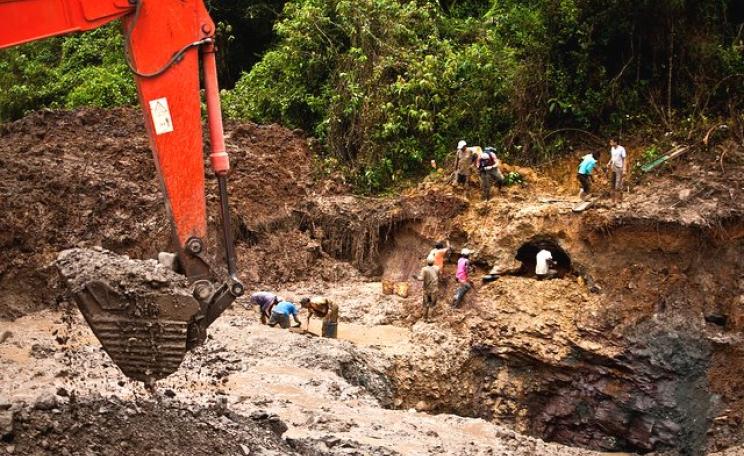
An indigenous leader in Colombia's 'gold belt' has been killed by unknown gunmen as tensions grow between indigenous communities and outside gold mining interests, many of them linked to illegal armed groups and the drug trade.
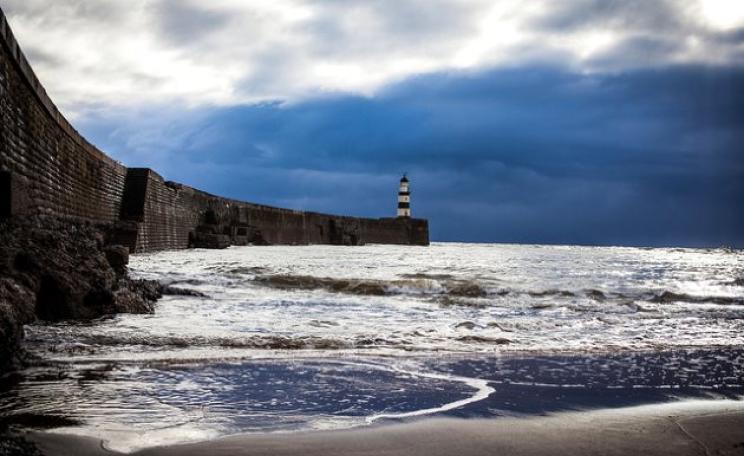
After over a century of coal ash and colliery waste dumping, the Tyne and Wear coastline is no stranger to industrial pollution. But soon a horrific new technology - underground coal gasification (UCG) - will endanger human health and the environment, backed by unflinching Government support and generous lashings of taxpayers' money.
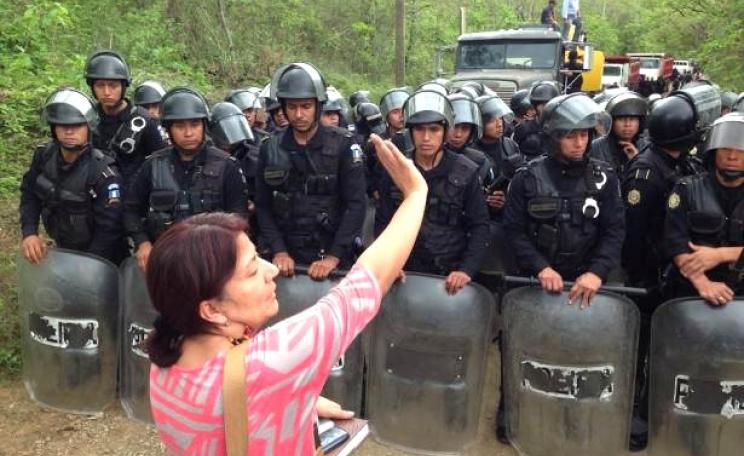
For over two years the small community of San José del Golfo has maintained a 24-hour barricade against the US-owned mine El Tambor that threatens to destroy their land and water. The non-violent resistance, led by women, is transforming the traditional 'macho' culture, and attracting support across Guatemala, and beyond.
Ecuador's president, Rafael Correa, has personally attacked eco-defender Carlos Zorrilla in TV broadcasts for resisting a vast new copper mine in a precious area of pristine cloud forest, and opposing the advance of oil exploration into the Amazon. Fearful for his life, Zorilla is now seeking international support for his, and his community's, battle for land, water and the natural world.