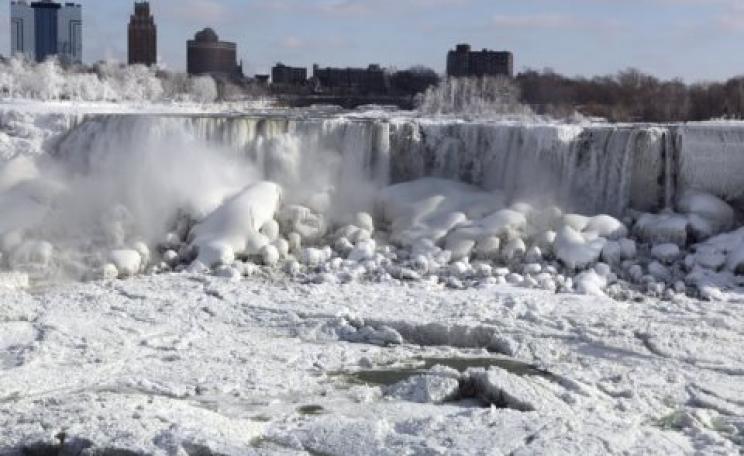
A string of events earlier this year provided a sobering snapshot of a global climate system out of whack, writes Peter Fisher. Could it represent the end of a rare 10,000 year island of stability in global climate? If so, we had better get used to it. The Earth may never be so comfortable again ...
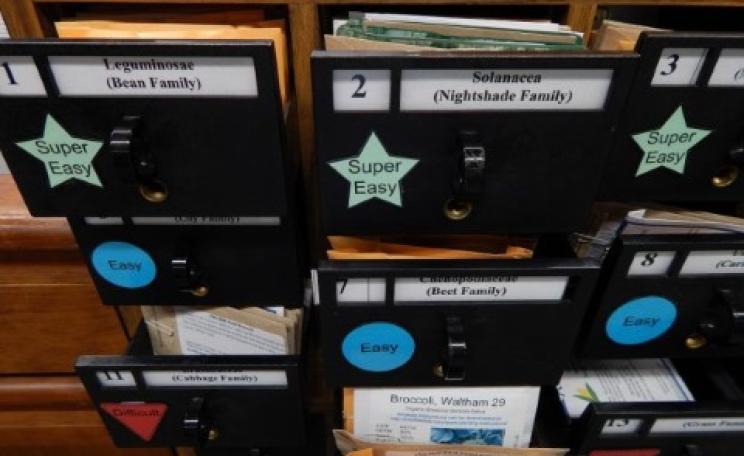
A Pennsylvania seed library stands accused of 'agri-terrorism' over alleged breaches of the Seed Act 2004, reports a bemused Kevin Carson. Have USDA and state agriculture departments become the enforcement branch of the agribusiness crime syndicate?
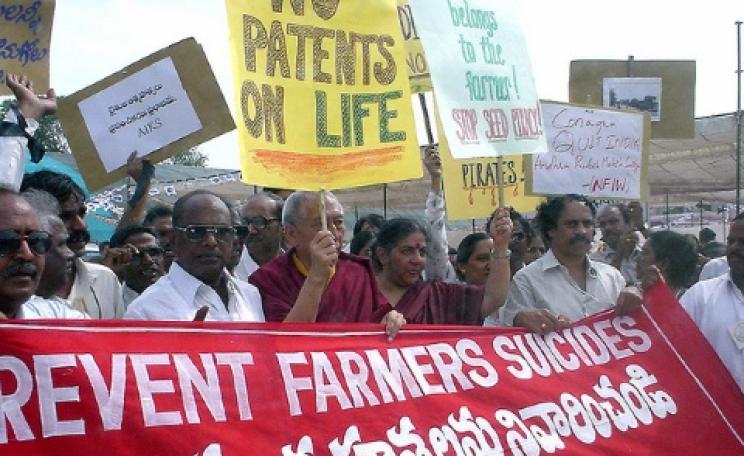
Recent decades have seen a hardening global clampdown on the rights of farmers to use, save, develop, share, swap and distribute the seeds that produce the food we all eat, writes Andrew Kimbrell - and which constitute an essential common heritage of mankind. Here's his plan to fight back against the seed monopolists ...
Already 56,000 people have pledged to support a global 'internet seed swap' initiative promoted by Avaaz, writes Julian Rose. Trouble is, the plans are deeply flawed, and have been developed without consultation with major seed saving groups worldwide.
The EU's farming policy is being touted as 'greener than ever' - but it's no such thing, write Lynn Dicks & Tim Benton. The 'green reforms' pay farmers for actions (and often inactions) that do not benefit wildlife, and contain no real or effective measures to help.
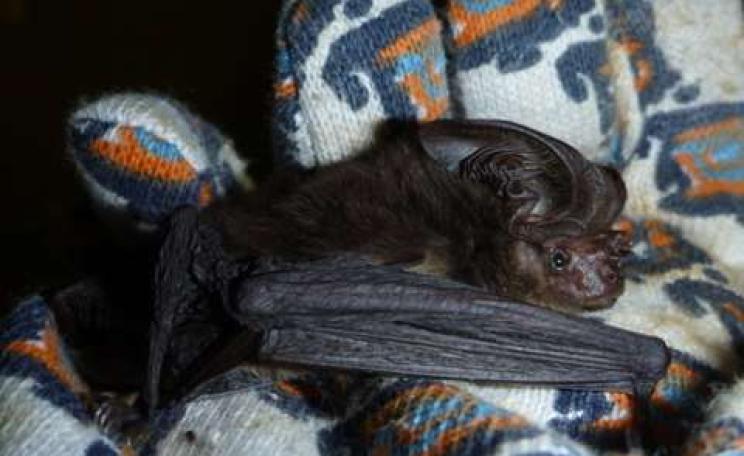
A 'microbat' that has remained unrecorded since 1890 has been discovered in Papua New Guinea. But with the country's forests under growing pressure from logging and for conversion to plantations, this and thousands of other biological treasures are at risk.
Owen Paterson has done it again - offering up ancient woodland for development via 'biodiversity offsetting' - planting new trees elsewhere. Trouble is, says Austin Brady, ancient woods are centuries in the making.
The UK Government plans to allow biodiversity destroyed by development to be recreated elsewhere. Hannah Mowat of FERN believes the idea is both wrong and dangerous. The official consultation ends on 7th November 2013.
Yasuní National Park in the Ecuadorian Amazon is home to a record number of species. Now that the Yasuni-ITT Initiative has failed the future of those species hangs in the balance.....
As the UK government gives the go ahead for the country's first Biodiversity Offsetting (BO) scheme, Lorna Howarth explains why it will be a disaster for the nation's already declining wildlife
Butterfly populations are an important gauge of the health of local habitats and wider climate change. Faye Dobson explains what population changes mean, and how you can get involved in helping monitor them.
From boosting biodiversity to gardens that are helping to tackle climate change, Chelsea Flower Show 2012 will be green in more ways than one. Rebecca Campbell went behind the scenes
Filling your garden with wildflowers helps honeybees and butterflies, and creates a relaxed mood. And, from the Easton Walled Garden to Sissinghurst, there's plenty of inspiration
As reform of the EU's agriculture policy gets underway, Miles King of the Grassland Trust tells Matilda Lee how intensive farming has all but destroyed England's 'rainforests' and why it's time we started asking for more from our farmers
Conservationists battling to save Indonesia's rainforests are locked in a dispute over moves to make oil palm plantations more wildlife-friendly. Tom Levitt reports
The senior project manager at Landlife, the charity working to bring people and wildlife closer together, on 'principled' dealings with corporations and why it's important to make politicians jealous
The spread of oil palm plantations has come at the expense of vast swathes of tropical rainforest. But the billion-dollar palm oil industry is now mounting a major PR offensive. Alex Helan reports