Barack Obama and Ban Ki Moon, Labour and the Conservatives, green groups and trade unionists, Nicholas Stern and even Peter Mandelson - everybody is talking about a 'Green New Deal'. Faced with an economic downturn, climate breakdown and an energy system in need of billions of new investment anyway, the idea is simple and attractive.
This budget season, and so a short perambulation around the vexed question of the national debt seems in order. As a nation we've been living with debt for more the 300 years now, since 1694 to be precise, when Scottish privateer William Paterson persuaded the government of the time that creating £1.2 million of IOUs would get them out of their spending difficulties.
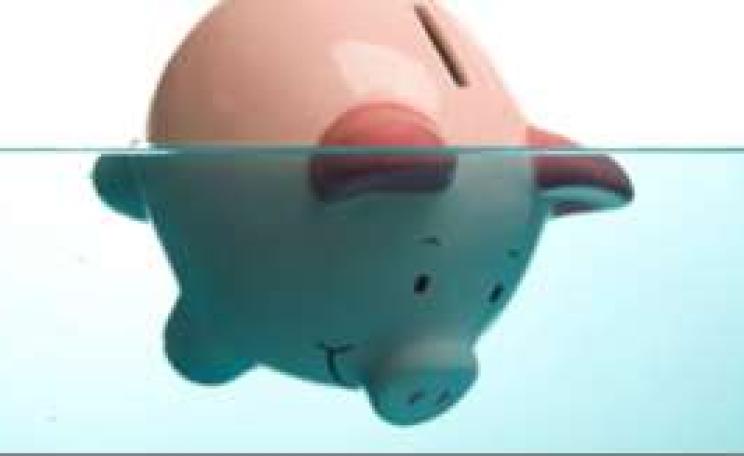
Uncontrolled growth of financial debt is currently laying waste to large parts of the global economy. An explosion of ecological debt looks set to do the same, but worse, to a biosphere friendly to human civilisation.
Bill Drayton is a slight, eager man who straddles worlds. He knows his stuff, having graduated from Harvard, Oxford and Yale, and has a theory of everything.
Having exported largely untested GM crops around the world for decades, the US is suddenly starting to worry about what genetically modified organisms other countries might send their way.
From carbon trading to embodied emissions, our difficulties would be greatly reduced if we changed the way we perceive our own beliefs, says Bob Doppelt
A hundred years ago, markets ruled: fortunes were made, workers abused, bubbles blown. The Austrian School of economists, led by Ludwig von Mises, said this was fine: despite temporary messiness, the market knows best.
Buy Nothing Day is an annual event to protest our consumerist culture. Consumers are encouraged across the world to stay out of malls and put their wallets back in their pockets for just one day. Started back in 1992 in Vancouver, Canada by Ted Dave, it was popularized by the Adbusters media foundation and it has spread to become an international day of action.
During the past weeks, the world’s media have been transfixed by the convulsions of the US and global fi nancial system. At stake are billions in bail-outs and trillions in derivatives. The viability of banks and currencies is threatened, and ultimately the savings and investments of hundreds of millions of ordinary people.
To blame our social and environmental problems on a population explosion in the developing world is to ignore the real bottom line, says Asoka Bandarage
Commercial banks should be forbidden from creating ‘virtual’ money, argues James Bruges – our debt-and-interest economies can only lead to collapse or war.
Just as Sir Nicholas Stern’s report in October 2006 put a price on the effects of climate change, a new report by the UN has begun to cost out the threat of failing to conserve the world’s biodiversity – a cool £40 billion annually, and rising.
With summer coming earlier and lasting longer each year, we can comfortably predict the annual summer headlines ‘A Water Meter for Every Home’ covering many a front page whenever no fresh photographs of Posh and Becks are to be had.
Revenues obtained from the often illegal extraction and supply of commodities such as timber and diamonds are directly bankrolling corrupt regimes and armed insurgency groups, and fund the purchase of weapons and other contraband goods that perpetuate cycles of conflict.