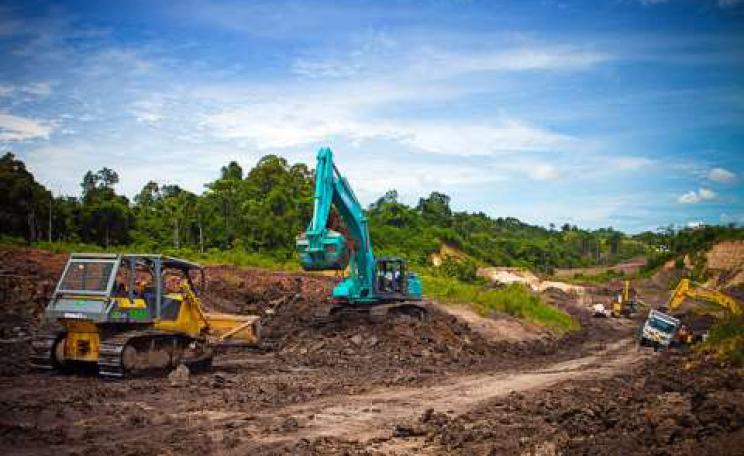
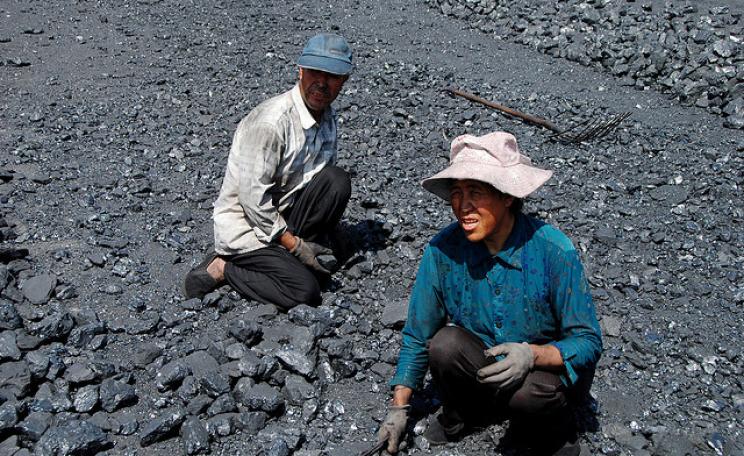
Coal consumption in China is likely to dwindle rapidly, writes Alex Kirby, leaving its own mining sector and foreign coal exporters in serious trouble. Australia and Indonesia are at greatest risk as China may soon stop importing any coal at all.
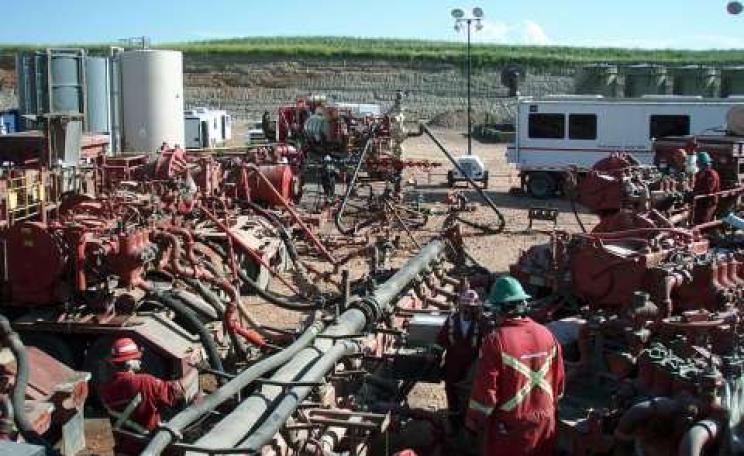
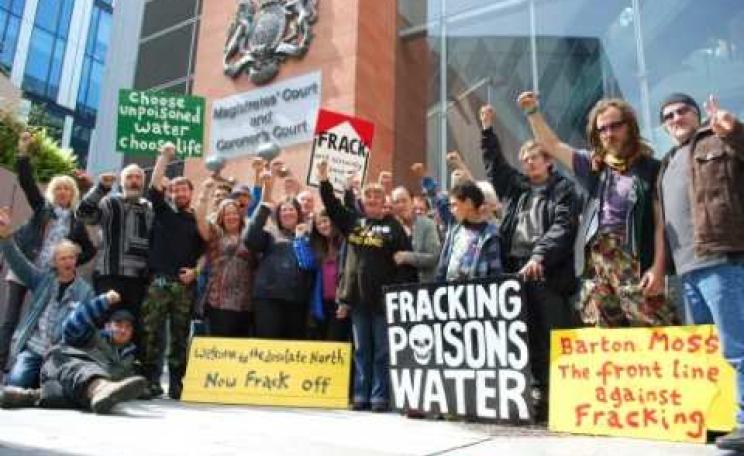
UN climate negotiations get under way today in Bonn, Germany - and they offer a key opportunity for campaigners to gear up their fight against fracking, writes Jamie Gorman, because to stabilize the Earth's climate, the gas must stay deep underground.
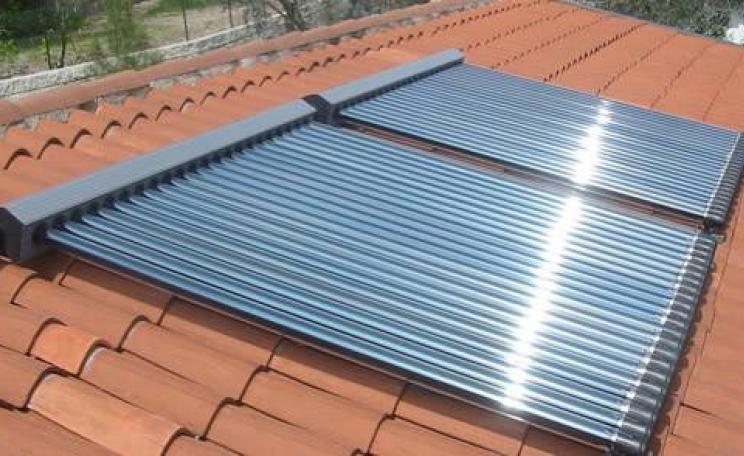
The Government has gutted its 'zero carbon home' standard - builders will be able to 'zero the carbon' through an offsetting scheme - rather than by installing more insulation, or renewable technologies like solar PV or solar water heating.
A wholesale corruption of science underlies the UK Government's insistence that gas from fracking offers a 'low carbon', low cost route to energy abundance, writes Paul Mobbs. On the contrary: it's expensive, over-hyped - and just as bad for climate change as coal.
This week 20 Amazon Indians walked to the Belo Monte dam site to demand the company keep its promises to compensate indigenous communities. Police shot them with 'rubber bullets' and stun grenades, wounding four. Tensions are rising ...
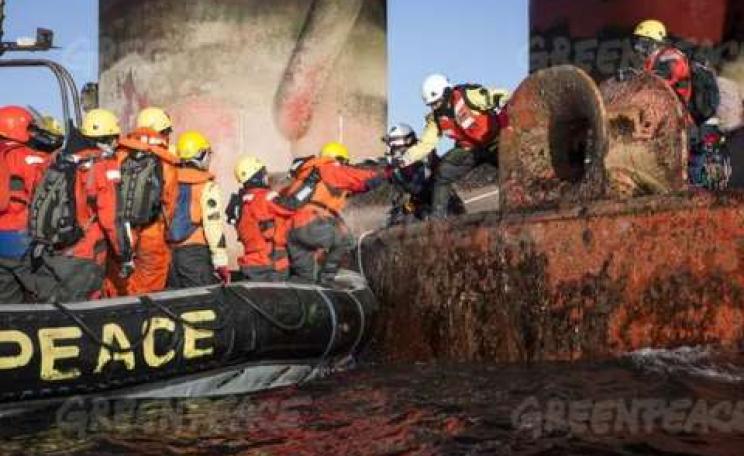
Greenpeace activists are well into the second day of their occupation of an Arctic oil rig in the Barents Sea, which they say endangers the nearby Bear Island nature reserve. Statoil has conceded that drilling may have to be delayed.
Interface's sustainability model shows how large industrial companies can slash their carbon emissions and other environmental impacts without compromising profitability, reports Sophie Morlin-Yron. The key is to aim high!
Three very different sustainable energy projects from India are among the finalists in this year's Ashden Awards, writes Chhavi Sharma - all of them inspiring and showing this vast country the way to a clean, secure, affordable energy future for all.
Sixty-four environmental and community groups have filed a petition to the EPA demanding federal limits on toxic air pollution from oil and gas wells which threaten the health of 150 million Americans.
Financial experts warn investors that their money is being used by oil companies for high-risk projects, reports Paul Brown, on the assumption that oil prices will go on rising, with little or no regard for climate change. $1.1 trillion could be at risk.
The Amazon basin faces 'ecosystem collapse' according to a new report about hundreds of major dams and other mega-projects planned for the region - home to the world's greatest rainforest. David Hill reports.
David Cameron has promised to suspend incentives for onshore wind farms if he is re-elected in 2015, writes Alan Whitehead. But how exactly will he replace the 8GW of planned wind capacity that will not be built?
Large-scale fracking is a must for the UK economy, says a new report from the House of Lords. But it confuses opinion with fact, cherry-picks data, and six of its authors have a stake in the industry. The real solutions, writes Tony Bosworth, lie in energy efficiency and renewables.
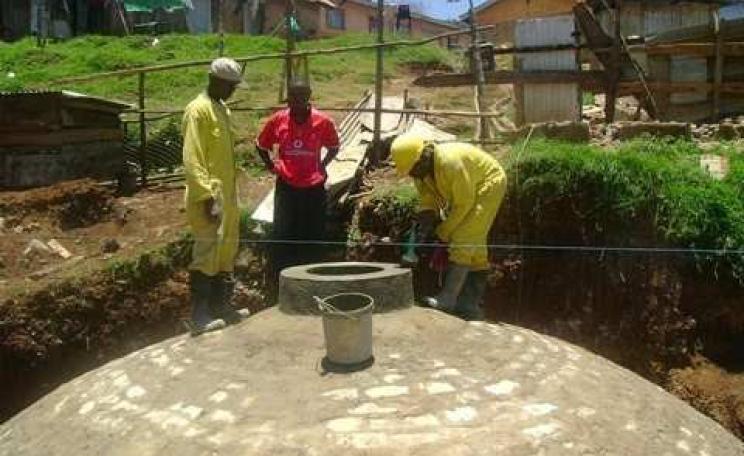
Biogas digesters are a key technology for global sustainable development, writes John M. Hawdon. They simultaneously combat parasites that infect a billion people, reduce deforestation and methane emissions, and deliver vital energy to rural communities.
Apple is moving to 100% renewable energy, worldwide, writes Robert Hunziker. But even better is CEO Tim Cook's fierce put-down to fossil-fuelled, climate skeptic shareholders: 'if you don't like it, sell!' Suddenly the politics of climate change in the US shifted ...
Ten years ago, Mo and Dave fell in love, writes Helen Leavey - with a ruinous but romantic water mill in Yorkshire. It was the beginning of a fabulous restoration adventure, and the mill is now an exemplar of renewable energy generation and a thriving education centre.
With the help of some clever engineering, writes Paul Brown, the power of the Sun can now produce electricity on demand - day and night, bright or cloudy. The key technology has just won a prestigious DESERTEC Award.
Six environment heroes, one from each continent, are honoured for their work today - fighting threats from giant coal mines to forest destruction, fracking, high dams, illegal development and toxic waste dumps. Sophie Morlin-Yron reports.
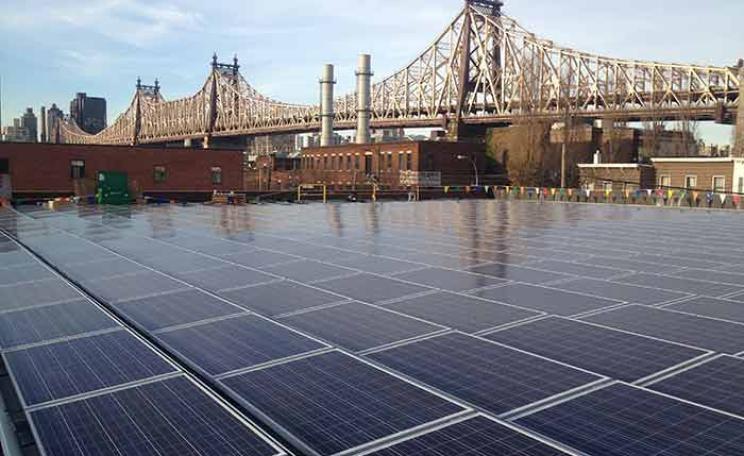
New York has approved a major expansion of the state's 'NY-Sun' initiative - a program that is boosting solar power across the state. The program has been extended through 2023 and aims to deliver a tenfold increase in the clean energy source.
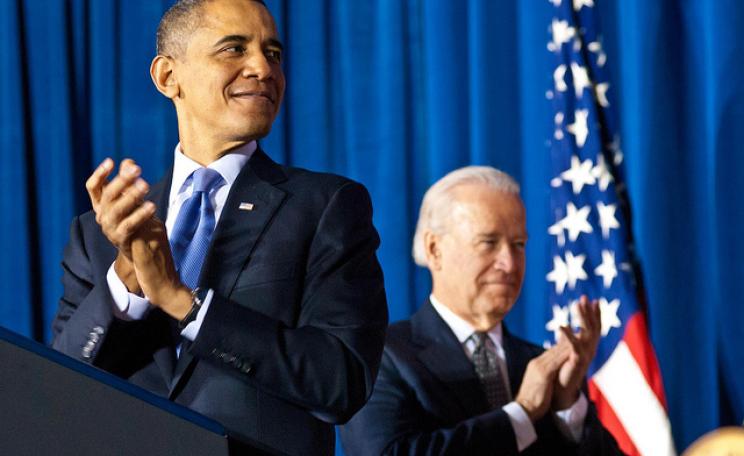
For the US fracking industry - and for Vice-President Joe Biden - fracking is more than just a way to bring in vast amounts of cash, writes Steve Horn. It's also a key weapon in the US's long war with Russia, as Biden made clear this week in Kiev.
Japan is the world's biggest financier of coal development, setting developing countries on a dirty, coal fired energy track. As President Obama visits Japan, Nicole Ghio urges Prime Minister Shinzo Abe to re-apply its coal billions to build a clean, renewable energy future.
A study of 245 large dams carried out at Oxford University shows that big hydropower is uneconomic. Actual costs are typically double pre-construction estimates - and have not improved over 70 years. ASEAN energy ministers take note!
With three of Jonathon Porritt's wishes for the UK's energy sector coming true in the space of as many weeks - the launch of the Renewable Heat Incentive, a Solar Strategy and a Community Energy Strategy - he finds cause for celebration.
There are now more than 400,000 electric cars on the world's roads - twice as many as a year ago, and on current trends there will be a million by 2016. Leading the market are the USA, Japan and China - while Europe trails behind.