The strongly protected marine reserve in Lamlash Bay, Arran, has been a huge success, write Bryce Stewart & Leigh Howarth, with abandant life returning to the once denuded waters. The government's refusal to expand such protections represents a huge wasted opportunity for both fishing and the marine environment.
A coveted award has put the campaign to protect and recover marine life in the Firth of Clyde, Scotland, into the international limelight. Goldman Prize winner Howard Wood explains how Arran Islanders' efforts to keep scallop dredgers out of Lamlash Bay has brought life, and fish, back to the sea.
There's strong public support for protecting marine wildlife, writes Horatio Morpurgo - so why aren't politicians championing the cause? Labour and Tories alike fear to challenge the big fishing companies that have come to believe they own Britain's offshore waters and seabed. Now it's up to use to prove they're wrong.
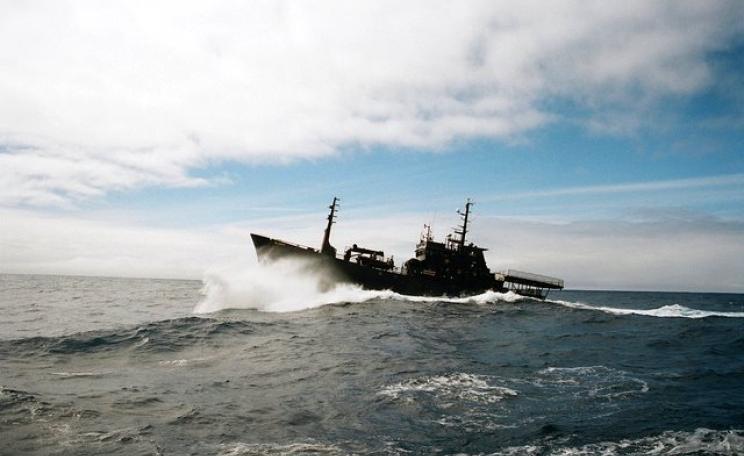
The first year of Sea Shepherd's campaign to close down illegal fishing operations in the Southern Ocean, dubbed 'Operation Icefish' has already led to the detention of two 'bandit' fishing vessels while a third is under pursuit.
The the creation of almost a million sq.km of the South Pacific as a fully protected marine area builds on a long Conservative tradition of protecting the natural environment, write Nick Hurd & Zac Goldsmith - and as factory trawlers close in on Pitcairn's pristine waters, the initiative could not have been more timely.
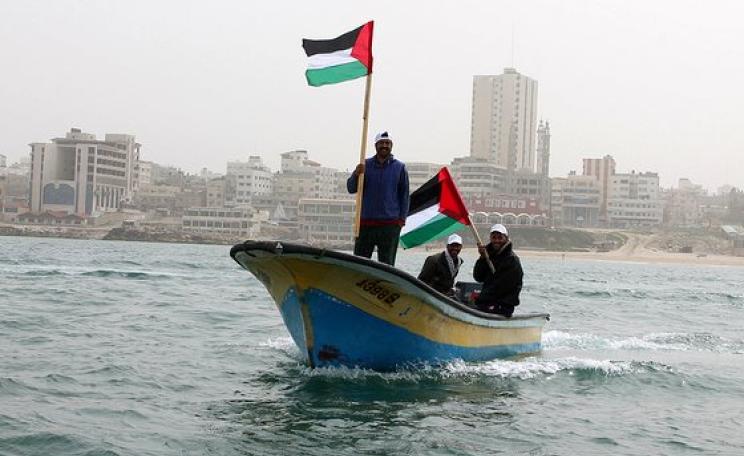
Under the ceasefire between Israel and Hamas last August, Gaza's fishers were meant to be able to work up to six miles from the coast, writes Charlie Hoyle. In fact, Israel is routinely attacking boats within the zone, arresting fishermen, and seizing boats and nets, never to be returned. Only last week, one fisherman was shot dead after allegedly straying over an invisible boundary.
What's the solution to the over-exploitation of fish on the high seas, outside territorial boundaries? Ban it altogether, argues Reg Watson. It would make little difference to the total fish catch, poor coastal countries would reap huge benefits, and the fishing fleet's fuel burn would be slashed. The main losers? Rapacious industrial factory-fishers.
'Ocean giants' in our coastal waters are increasingly rare, writes Dr Lissa Batey, thanks to a host of threats from pollution to entrapment in fishing gear. Marine Protected Areas in England and Wales could help restore our cetaceans to their former abundance - but so far, only one has been designated for these species in Wales, and none in England.
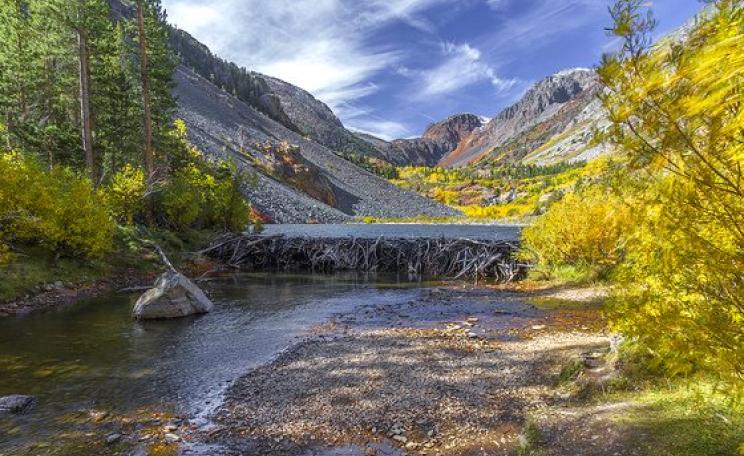
With California's wild Coho salmon populations down to 1% of their former numbers, there's growing evidence that beavers - long reviled as a pest of the waterways - are essential to restore the species, writes Maria Finn. In the process, they raise water tables, recharge aquifers and improve water quality. What's not to love?
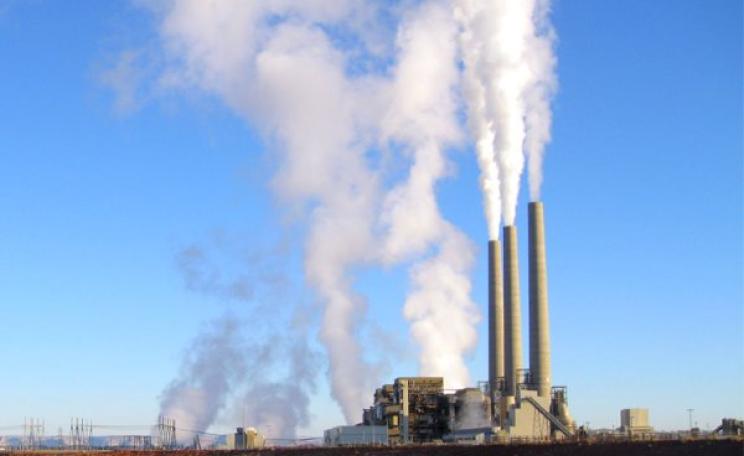
Levels of neurotoxic mercury in Yellowfin tuna are rising at almost 4% per year, and will soon reach a point where the fish are officially unsafe to eat, writes Paul Drevnick. And after decades of debate, there's no longer any doubt where the mercury comes from: humans. Industrial sources like coal burning are mainly to blame, and it's high time we put a stop to it.
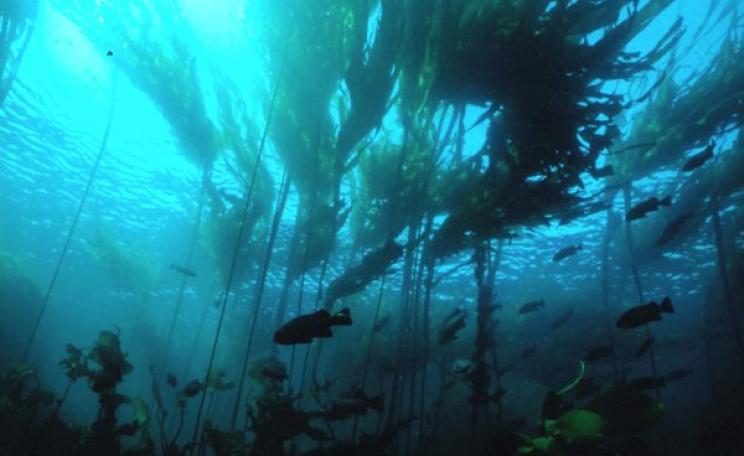
The rapid deterioration of the world's oceans and the life they contain calls for a breakthrough in their governance, writes Deborah Wright. The seas must be protected, respected and policed as the common heritage of all mankind, and of all generations present and future.
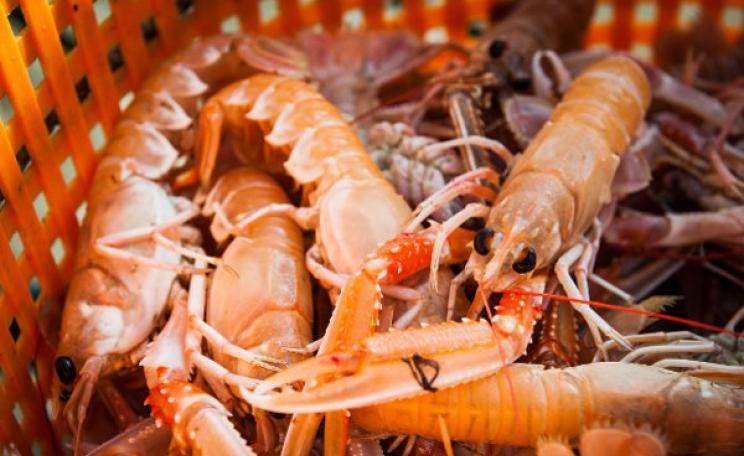
Trawlers in an MSC-certified 'sustainable' lobster fishery producing have been caught in the act of using illegally modified nets to target valuable cod. The MSC has been notified but considers the evidence insufficient to act, so the lobsters still carry the MSC label.
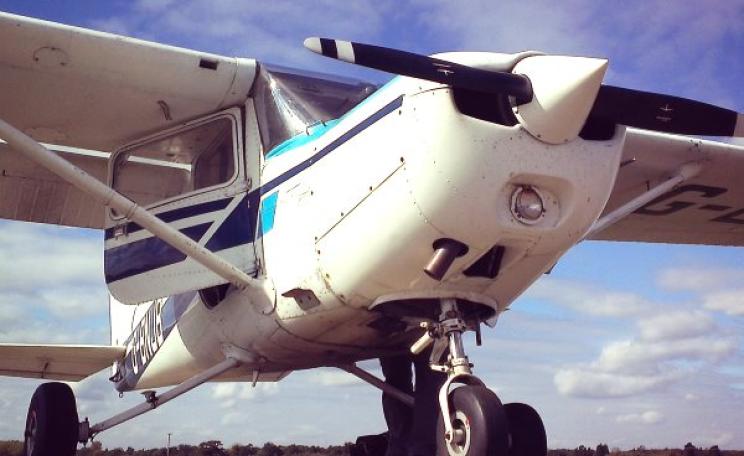
Aerial surveillance is a proven and effective technique in tackling wildlife crime, writes Elizabeth Claire Alberts - so the arrival on the scene of a new wildlife organization dedicated to providing air reconnaissance services to frontline environmental defenders couldn't come too soon.
So just how serious is the impact of industrial farming? Worse than you could ever imagine, writes organic farmer Julian Rose in this review of 'Farmageddon - the Real Price of Cheap Food', which lifts the lid on the industry's human and ecological devastation, and the systematic cruelty inflicted on the animals that feed us.
Countries at the UN have agreed to start formal negotiations on a new 'legally binding instrument' to conserve the biological riches of the high seas that cover 45% of planet Earth, and ensure their sustainable use for the benefit of all mankind.
The Sahrawi people of Western Sahara have been waiting 40 years for a self-determination referendum, writes Oscar Güell. But thanks to the passivity of the EU, the US and the rest of the 'international community' their wait for justice won't end any time soon. Meanwhile, Morocco settles the country with colonists and exploits its natural resources.
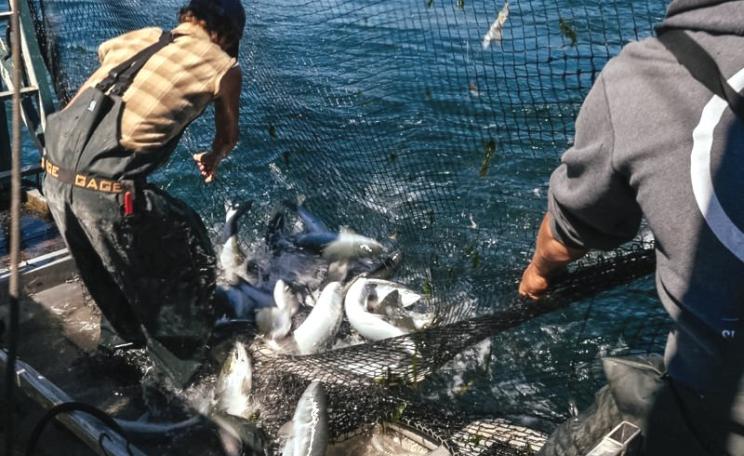
A salmon fishing cooperative in the Pacific Northwest draws on indigenous practices and state of the art technology to be among the world's most sustainable and selective fisheries, writes Kevin Bailey. With its clean harvesting techniques, minmimal bycatch, 99% survival rates for released fish, renewable energy supply and efficient supply chain, it sets a standard for all to follow.
In 1976, it looked like a good idea: to divert the waters of the Danube into a salt-water lagoon on Ukraine's Black Sea coast, and irrigate millions of hectares of arid steppe land, writes Dimiter Kenarov. But the result has been human and environmental disaster on an epic scale.
Since 2010 porpoise carcasses have been washing up on our shares, writes Ken Collins - displaying horrific wounds and bite marks that many thought a sign of Great White sharks in Britain's coastal waters. But now scientists have identified an improbably cuddly culprit ...
Two huge open pit mines in northern Norway are on the verge of approval, writes Tina Andersen Vågenes - even though they would dump hundreds of millions of tonnes of tailings in fjords where wild salmon spawn. Scientists are voicing serious concerns, and protests are growing, but government and mining companies appear determined to push the projects forward regardless.
The 'vaquita', a small porpoise limited to a small area of Mexico's Gulf of California, is on the brink of extinction, writes Willie Mackenzie - its numbers reduced to around 100. But it's not too late to save it, by expanding a protected area and providing alternative livelihoods for local fishermen.
The Maldives, a vast republic of scattered islands in the Indian Ocean, has worked hard to make its fisheries among the world's most sustainable, writes Tony Juniper. But now the EU has slapped a 20% levy on its fish exports due to human rights concerns - a move that mainly hits poor fisherfolk innocent of any wrongdoing.
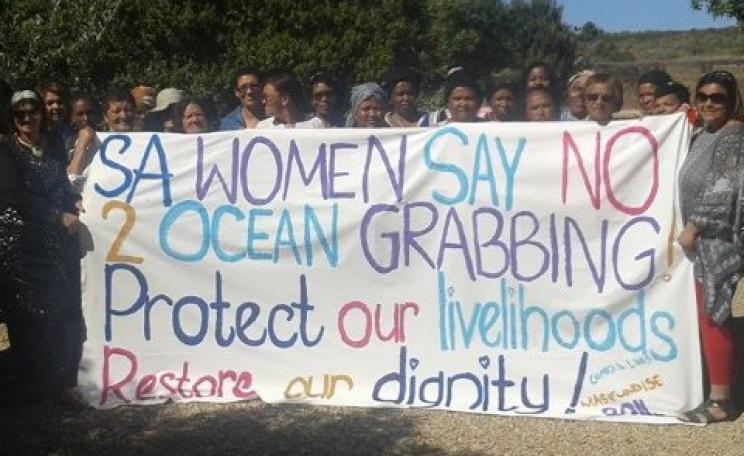
Today on World Fisheries Day, fisher peoples and their allies are taking to the streets and beaches to fight against ocean grabbing in all its forms - including Marine Protected Areas imposed without consultation that rob and criminalise local communities and benefit only privileged outsiders.
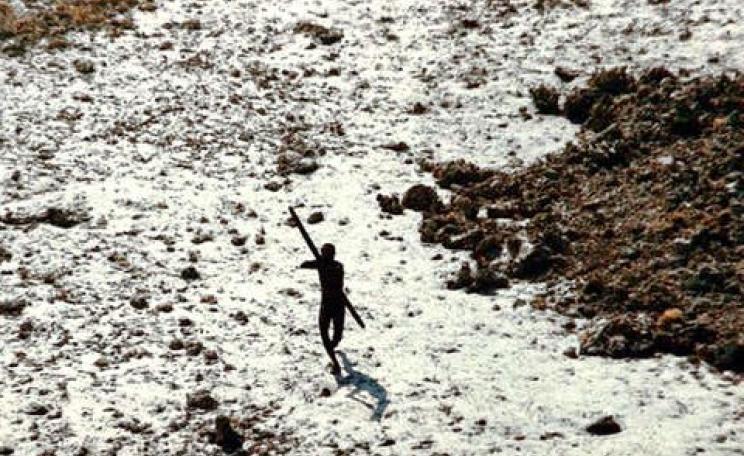
The last completely isolated tribe on the Andaman Islands in the Bay of Bengal is at risk from illegal fishing, with Burmese boats entering their waters and fishermen landing on their island home. But they had better watch out - two intruders were shot dead with arrows in 2006.