The scientific case for Marine Protected Areas (MPAs) is now overwhelming. The bigger question is how can they be managed more effectively? HORATIO MORPURGO reports
This World Fisheries Day, a new report shows how the 'rights-based approach' to fisheries governance is in fact a mechanism for depriving indigenous and subsistence fisherfolk of their traditional waters, write Astrid Alexandersen, Sif Juhl & Jonathan Munk Nielsen, and transferring them to corporations and economic elites. It must be replaced with a 'human rights approach'.
The construction of the Don Sahong Dam in Laos PDR must be halted until full information on the project's impacts - in particular the fate of millions of fish that migrate each year through the Hou Sahong channel now being dammed - has been published, writes the Save the Mekong Coalition in this open letter sent today to the project developers.
The exclusion of fishers from the design of management plans for the vaquita, driven by conservation groups and implemented by the government, has led to polarized opinions and a large divide between communities and conservation agencies, writes Andrew Frederick Johnson. To save the vaquita, this needs to be replaced with a close collaboration.
There's quite a fashion now for creating enormous ocean nature reserves, write Peter J S Jones & Elizabeth De Santo. The UK kicked off the trend last year at Pitcairn Island, and now the US has followed up with a 1.5m sq.km reserve around Hawaii. But while these look like big conservation gains, the more serious task is to manage sustainably the intensely exploited seas close to home.
International judges today condemned China's great 'water grab' of the South China Sea - not least for its destruction of over 100 sq.km of pristine coral reefs, dredged and ground up to build artificial islands, and the ransacking of their wildlife, from endangered sea turtles to giant clams.
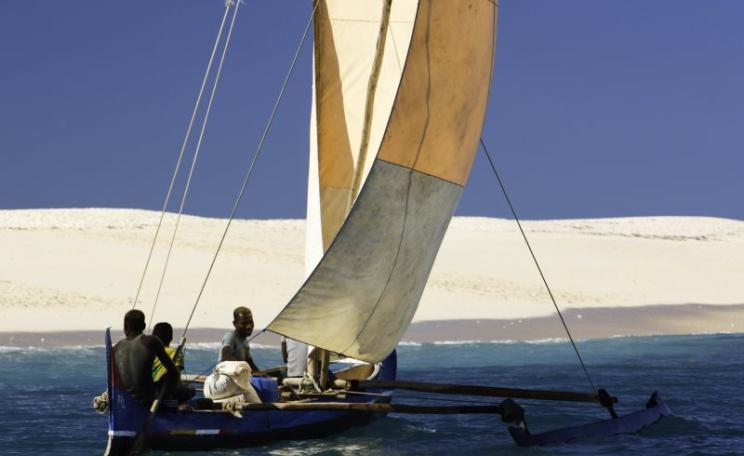
The Vezo, Madagascar's indigenous 'sea nomads', are travelling hundreds of miles to the remote 'Barren Isles', the Indian Ocean's largest locally-managed marine protected area, writes Charlie Gardner. Drawn by valuable shark fins and sea cucumbers, sold into Chinese markets, the Vezo are now joining with local fishers to protect the ecosystem and expel illegal divers.
A small fishing community in Mexico's Baja California is playing involuntary host to a gigantic tourism and real estate development, writes Viviane Mahieux. And while the branding of the Tres Santos resort is all about mindfulness, ecology and sustainability, the reality is one of big money, high level politics, and the unaccountable deployment of state violence against those who dare oppose it.
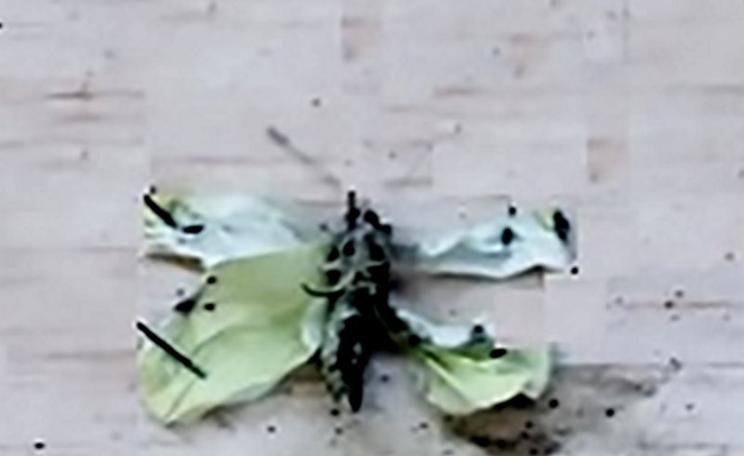
It looked like such a good idea: take the pressure off wild fish stocks by growing GM oilseeds that produce health-enhancing long-chain omega-3 fatty acids, writes Claire Robinson. But as a new study has established, those fish oils, novel in terrestrial ecosystems, cause wing deformities in cabbage white butterflies. Yet a third open field trial of these GM crops could soon be under way.
New research from Australia's Great Barrier Reef shows that no-take marine reserves don't just mean more and bigger fish, write Camille Mellin, Aaron MacNeil & Julian Caley. They also boost the resistance of reef communities to disturbances like storms, bleaching and predation, and speed their subsequent recovery. It's time for global rollout of coral reef marine reserves!
A coalition of fishing, consumer, and environmental groups are suing the FDA for its 'unlawful' approval of Aquabounty's GM salmon, as it relied on treating the fish as an 'animal drug' under a 1938 law, and ignored serious risks to wild salmon and fishing communities.
The much-derided Common Fisheries Policy must be one of the EU's most unpopular aspects, write Bryce Stewart & Griffin Carpenter. But in fact it has been a notable success, reflecting public concern over bycatch discards and restoring sustainability to Europe's fishing grounds, and profitability to a long declining industry.
A legal principle dating from Roman times is ripe for use in protecting our waste-filled and over-exploited seas and oceans, writes Deb Wright. Under the 'Public Trust Doctrine' governments are entrusted to protect shared natural resources from abuse, and can be held accountable for neglect of their duties.
Ice melt in the Arctic Ocean is opening up previously untouched areas to industrial fishing fleets using ecologically risky bottom trawling methods, writes Joe Sandler Clarke. Ecosystems supporting walruses, polar bears, puffins and other sea birds could be stripped bare.
A year after Shell was forced into a £55 million settlement with an indigenous community in Nigeria devastated by oil spills, a UK High Court judge has allowed two new such cases to proceed on behalf of some 43,000 subsistence farmers and fishers whose livelihoods have been wiped out by the same cause.
With the EU referendum on the horizon, the Common Fisheries Policy is likely to figure in the debate as an exemplar of EU policy failure, writes Griffin Carpenter. But the much maligned and misunderstood CFP is doing a good job: stocks are recovering, bycatch-dumping is banned, and it may even force the UK to give more quota to small-scale fishers.
The global catch of fish and seafood is falling at three times the rate reported by the United Nations and urgently needs to be slowed to avoid a crash, reports Christopher Pala. The finding comes in a new study for Nature which quantifies the huge illegal industrial fish pillaging taking place around the world, together with artisanal catches, which in 2010 added over 50% to UN estimates.
There is a simple formula for restoring life to over-exploited coastal fisheries, write Jane Lubchenco & Steven Gaines, and it has been proven to work from the Philippines and Indonesia to Mexico and Belize: to create local marine reserves for the exclusive use of local fishing communities.
Rising levels of carbon dioxide don't just cause global warming, writes Jason Hall-Spencer. Another consequence is acidifying oceans - which promises to disrupt marine ecology around the world, killing off oysters and corals, while boosting 'nuisance species' like stinging jellyfish.
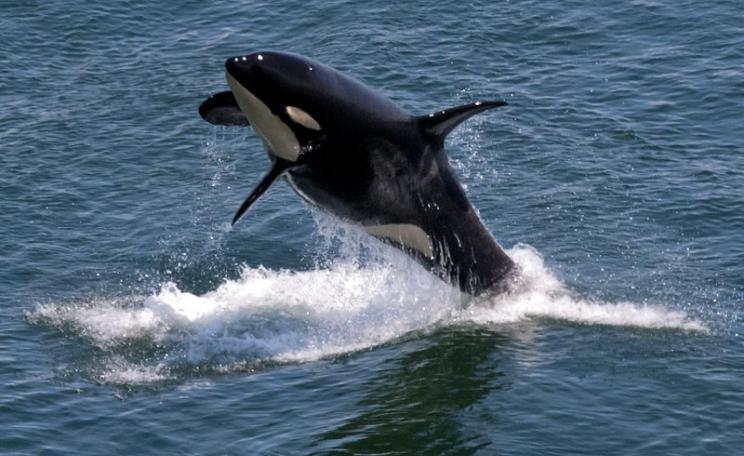
The Southern Resident Orcas of Puget Sound have plenty of problems, writes Kathleen Haase. But as the film 'Fragile Waters' makes clear, there's a common thread: us. Whether it's over-fishing Chinook salmon or polluting the ocean with toxic chemicals, we are driving them to extinction - and if we don't soon mend our ways, it will be too late.
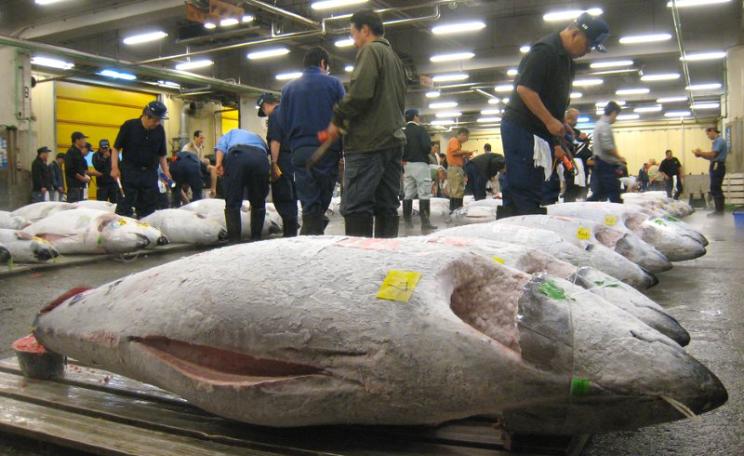
Declining tuna stocks are not the only consequence of an out-of-control tuna industry, writes Cat Dorey. A major tuna fishing method used in tropical seas is causing serious damage to coral reefs and attracting a huge 'bycatch' of sharks and other species. Now responsible producers and retailers are taking matters into their own hands - and you can help!
Following six shark attacks this year on the beaches of New South Wales, Australia, the press are demanding a shark cull as a 'permanent solution' to the problem, writes Jane Williamson. Trouble is, culling is indiscriminate, ineffective, disrupts ocean ecosystems, and diverts resources from more effective responses.
Northern Ireland shows just how much we need the EU's laws protecting nature, writes Andy Atkins - and for the Government to enforce them. The province's wonderful natural heritage is at risk from aggressive and often unlawful developments. And the EU nature laws are essential for us to fight off a host of threats - among them sand dredging, gold mining, road-building and over-fishing.
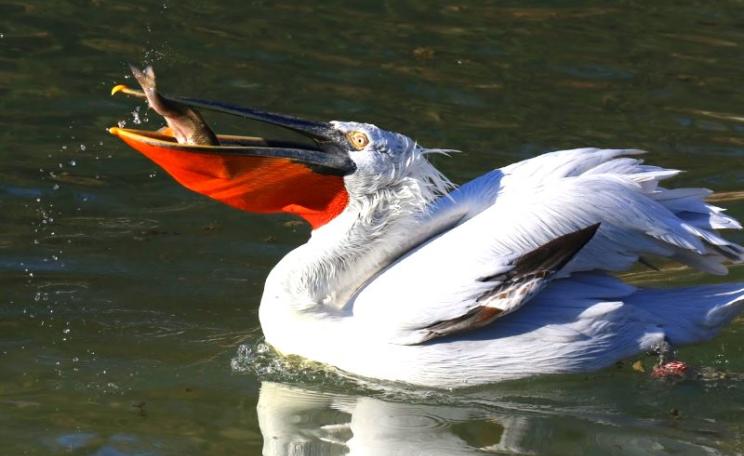
Conservation projects have pulled several endangered European birds back from the brink of extinction, but habitat loss, industrial farming, over fishing and climate change all represent growing threats that requires broader and deeper change in the EU and beyond.