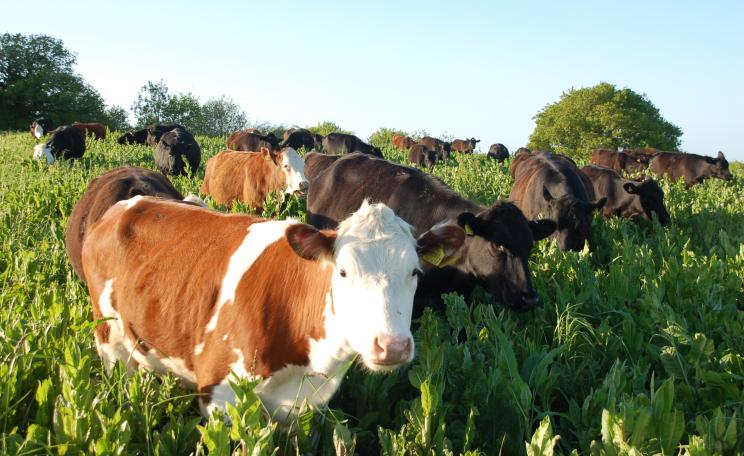
A new study sets out the huge benefits of organic farming to people and the environment, writes Peter Melchett, including more wildlife, healthier consumers and farm workers, lower greenhouse gas emissions, reduced soil erosion and increased water retention. We need more of it, fast!
The illegal trapping of birds on Cyprus is taking place on an industrial scale, writes Jamie Wyver, and the biggest hotspot is on a British army base where over 800,000 birds were killed last year. It's time for the British and Cyprus governments to confront the criminals, clear the acacia bushes in which the birds are trapped, and close the illegal restaurants serving them as 'delicacies'.
The troubled project to develop GMO 'golden rice' cultivars has just hit a serious obstacle. An attempt to breed the 'event' responsible for carotenoid production into a commercial rice variety has produced widespread genomic instability, causing weak plants and poor grain production. Has the golden rice hype bubble finally burst?
Leaving the European Union and reaching a trade deal with President Trump's US would create a perfect storm for UK farmers, writes Liberal Democrat Environment Spokesperson Kate Parminter, with new EU tariffs, reduced subsidies and drastically lower standards. The changes would also pose a serious threat to our natural environment, food quality and public health.
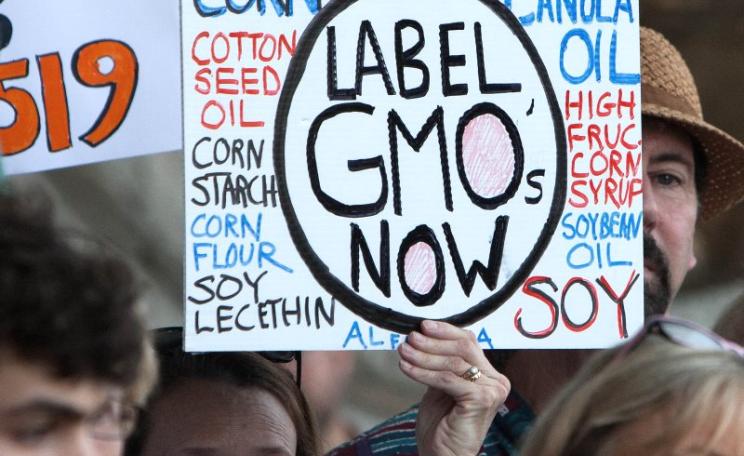
With USDA proposing to redefine GMOs for the purposes of food labeling, the issue is more important than ever, writes Jonathan Latham. It's not just to give consumers' the 'right to know' when they buy GM food, it's also a vital means to empower citizens to fight back against the industrialisation of food and farming, and the monopolies of agribusiness corporations.
Leaving the EU provides a "once in a lifetime opportunity" for England to change the way its land is managed so that nature, the environment, and society are better off according to a new report by the UK charity People Need Nature which is published to coincide with this week's Oxford Real Farming Conference. KATHRYN HINDESS reports
The local food revolution, its not only under 'weigh', it's kicking ass at last and Pop Ups are both a great addition to the ethical foodie scene and more environmentally friendly than energy-sapping restaurant premises. Give them a try says chef TIM MADDAMS
A government-led shrimp farming project meant to tackle extreme poverty in northern Sabah, Malaysian, won local support in 2010 by promising job opportunities for impoverished indigenous communities. Six years on, mangrove forests local people depend on for food, materials and income are closed off and being cleared - but the jobs have yet to materialise.
The construction of the Don Sahong Dam in Laos PDR must be halted until full information on the project's impacts - in particular the fate of millions of fish that migrate each year through the Hou Sahong channel now being dammed - has been published, writes the Save the Mekong Coalition in this open letter sent today to the project developers.
To feed the world we must abandon not just GMOs but all diversity-destroying selective crop breeding, organic farmer John Letts told Oliver Tickell. Only by using biodiverse local seed mixtures that evolve in the field can food production adapt to climate change without ever-increasing chemical inputs, and meet human needs for wholesome nourishment.
We refer to them as kitchen basics - milk and eggs - but how often do we stop to think about the true cost of their production? Not often enough writes TIM MADDAMS
The UK government's insistence of pursuing fracking is based on a flawed and utterly misinformed vision of our future, write Alex Russell and Peter Strachan. Rather than delivering the prosperity they promise, large scale fracking would cause massive pollution of air and water, undermine vital export industries, and leave us with an irretrievably damaged economy and natural environment.
Abusive farming of animals in factory farms is one of the great cruelties of the modern age, writes Philip Lymbery. While some may justify it as necessary to 'feed the world', it is no such thing. The answer lies in supporting small scale traditional farmers, and respecting the livestock that are intrinsic to sustainable agriculture across the planet.
La Guajira, a dusty but spartanly beautiful region in Colombia's desert north is in the grips of a crisis. Climate change, desertification and water shortages have combined to create a perfect storm for the local rural community: a drought so severe some places did not feel a drop of rain for three years writes LAURA DIXON
It' a perfect win-win solution for World Food Day, writes Kirtana Chandrasekaran: agroecology that sequesters carbon into soils, making them more fertile, productive and resilient, while also supporting sustainable livelihoods and tackling climate change. But instead governments are desperately trying to attract agribusiness investment that does the precise opposite.
Regulatory failures are allowing Danish pigs infected with lethal antibiotic-resistant bacteria into British farms, writes Andrew Wasley, with contaminated pork found in UK supermarkets, and three human infections recorded. The official response? Deny there's a problem, take no action, and hope for the best. Six people may have died from the bug in Denmark, but the UK is safe, surely?
The organizers of tomorrow's International Monsanto Tribunal describe it as a 'moral trial', while the company dismisses it as a 'mock trial' and 'stunt'. The truth, writes Pete Dolack, is that it's about much more than this one company. On trial is the entire neoliberal system of 'free market' finance and monopoly capitalism.
The purported mission of the Cornell Alliance for Science is to explain the science underlying biotechnology and GMOs, writes Jonathan Latham. So with a debate on the issue taking place tomorrow, 5th October, on the Cornell campus, how come CAS can't find a single speaker prepared to defend their zealously pro-GM stance?
Members of the food movement share an infectious vision, writes Jonathan Latham - one which is constructive, convivial, classless, raceless, international, and embraces the whole world. Unled yet inspirational, it rests on a novel, harmonious philosophy that combines science, recognition of planetary boundaries, and the universal need for wholesome sustenance.
Global food production may need to double over the next century to feed a growing world population, writes Tim Radford - just as yields crops in major crop-growing areas fall due to higher temperatures. But there is another way: to build sustainability into our food production and consumption.
With the Wall Street Journal warning that the GMO crop boom may be over in the face of superweeds, higher seed prices, falling yields and farmer antipathy, writes Pat Thomas, the Monsanto-Bayer merger is a sign of weakness as both companies struggle to deliver growth and profits to match shareholder expectations. We had better be ready to press home our advantage!
Bayer's $66 billion takeover of Monsanto represents another big click on the ratchet of corporate power over farming and food, writes Colin Todhunter. With the 'big six' of global agribusiness now set to turn into the 'even bigger three', farmers and consumers are facing more GMOs and pesticides, less choice, and deeper price gouging. Agroecology has never looked more attractive.
The EU's food and farming safety regulator is trying to create a 'back door' system to licence the use of herbicides that have been banned for their toxic impacts on people and wildlife - under a clearly inapplicable 'plant health' exemption.
There's no such thing as 'healthy food' if it's not produced by sustainable farming systems on living soils, Patrick Holden told the recent 'Food: The Forgotten Medicine' conference. But after 70 years of industrial farming, there's a huge job to be done to restore our depleted soils and the impoverished genetic diversity of our seeds and crops.