One of the world's biggest energy companies has been caught out in what may be the biggest ever climate scandal, writes Bill McKibben. Way back in the 1980s ExxonMobil knew of the 'potentially catastrophic' and 'irreversible' effects of increasing fossil fuel consumption, but chose to cover up the findings, spread misinformation on climate change, and go for high carbon energy sources.
The indigenous Wampis people of the Peruvian Amazon have demanded the immediate closure of a Petroperú oil pipeline after a series of devastating spills, writes Vanessa Amaral-Rogers. The company has already been found guilty of 'negligence' after previous oil spills contaminated the Wampis land and rivers.
It has been an epic battle, writes Aisha Dodwell. Monsanto and other corporations are desperate to get the world's number one herbicide, glyphosate, relicenced in the EU. But their network of power has been challenged by doctors, scientists and a global movement of people. With today's postponement of the EU's decision, we have just scored a major victory.
After ten massive renewable energy cuts that are leaving the UK falling well short of EU renewable energy targets, an eleventh! The axe is now falling on solar heating, writes Oliver Tickell - even though it's meant to be at the core of the government's renewable energy strategy.
The 'Biotechnology Food Labeling Uniformity' bill has been introduced to the US Senate to require clear, simple labelling of GMOs nationwide - informing consumers while saving manufacturers from a confusing patchwork of state regulations. Could it defeat the dreaded DARK Act?
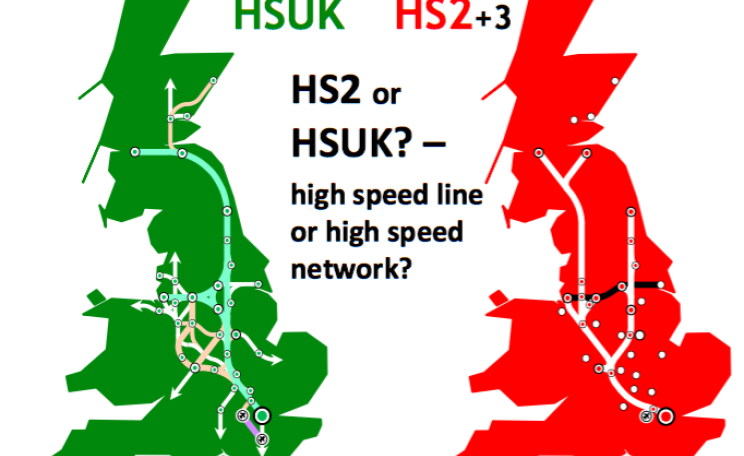
High Speed UK is the greener, well-connected alternative to HS2, write Colin Elliff, Andrew Coulson & Stephen Stretton - and it would save taxpayers billions. Financed by taxing property owners in connected cities on their windfall gains, HSUK would create a low fare, high capacity, interconnected railway network which would generate huge long-term profits for the nation.
French nuclear parastatal EDF is facing problem after problem - zombie nuclear projects in the UK, Finland, China and France, a fleet of 'beyond the grave' reactors, a dropping share price and its drooping credit rating. But is it really as bad as all that? Jonathon Porritt has exclusive access to the leaked Agenda of its latest board meeting. And the answer is - no. It's even worse.
At its Spring Conference in Harrogate yesterday the Green Party of England & Wales gave formal recognition to the Rights of Nature in an overwhelming vote, committing it to passing a new law to that effect at the earliest opportunity.
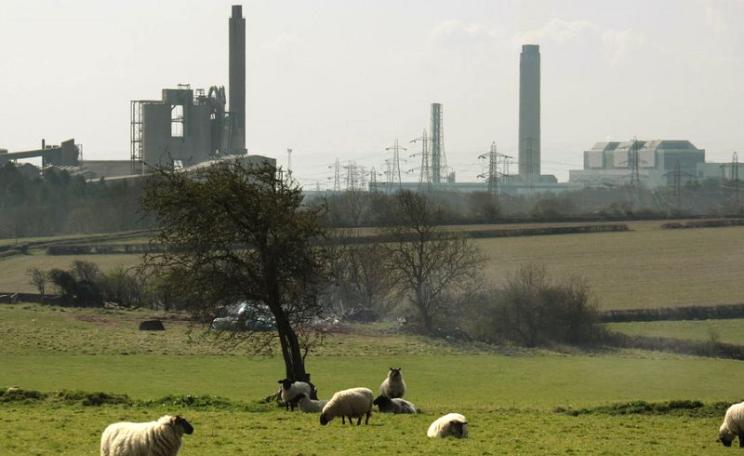
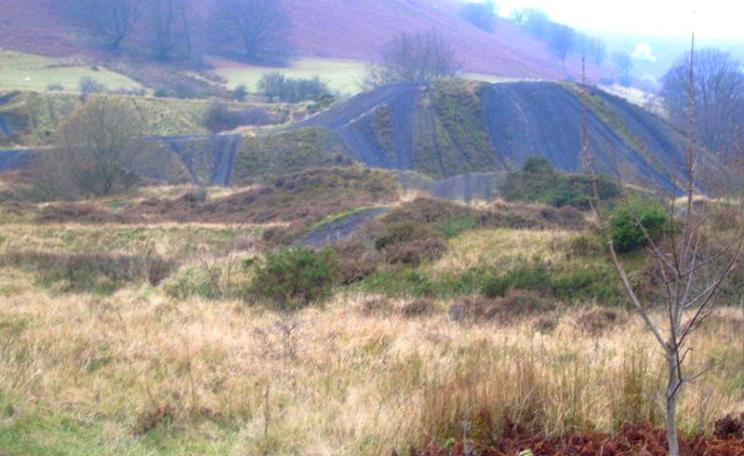
Wales should lead the UK in bringing an end to the entire coal industry from opencast mining to highly polluting power stations, writes Gareth Clubb. A new report by Friends of the Earth Cymru shows the Aberthaw plant alone imposes social and environmental costs of nearly £1 billion per year on the country and global climate.
Why is it so important to the US that Britain renew its nuclear weapons of mass destruction? The main purpose of Trident, writes Oliver Tickell, is to allow the UK to join American nuclear attacks, adding 'legitimacy' to them and so lowering the threshold for nuclear war - even if it guarantees our own destruction.
From banks that are too big to fail, to food banks for the too small to matter, the global econom systematically pumps money from the social economy and the poor up into the hands of a tiny minority of wealthy beneficiaries, writes Colin Tudge. Farmers, trapped between mountains of debt and low food prices, are among the main victims. It's time for a big rethink, starting from first principles.
The European Commission is poised to renew the licence for glyphosate - the herbicide last year deemed ‘probably carcinogenic' by the WHO - for another 15 years. The decision follows from EFSA's contrary finding, based on secret, non peer-reviewed, industry-funded studies.
Existing models of protecting nature are failing, write Atus Mariqueo-Russell & Rupert Read. They serve to regulate, rather than prevent the destruction of nature, and are now adopting the very 'market' approaches that are largely responsible for the problem. The answer is to give formal effect to the Rights of Nature.
Europe's economic crisis has offered vast business opportunities to an all-powerful nexus of financial interests that have snapped up valuable state assets at bargain basement prices, defrauding the poorest countries of countless billions of euros, write Sol Trumbo & Nick Buxton. The EU's highest institutions are in the grip of a deep, systemic corruption that knows no boundaries.
With the 'Heathrow 13' protestors expecting custodial sentences today for their occupation of a Heathrow runway last July, Shadow Chancellor John McDonnell MP writes that their direct action followed years of official lies and broken promises, and forms part of a long tradition of direct action protests in defence of democracy.
A tangle of undercapitalised companies are coming forward to cash in on old deep coal mines in Wales, writes Guy Shrubsole - by digging them all out from above from huge open cast pits. But local communities, alarmed at the noise, pollution and destruction of landscape, increasingly see coal as an industry that's best consigned to the scrapheap.
Those who value public lands - for economic, environmental, recreational and aesthetic values - owe a debt of gratitude to Harney County, Oregon, writes Peter Walker. A violent branch of the Sagebrush Rebellion came to town, and the community told it to go away: the decisive factor in the occupiers' defeat. But the greater war for America's public lands has only just begun.
With 29 applications for new badger culls, writes Lesley Docksey, the government still has no idea how many badgers there are in the cull areas, or how many of them have TB. Nor does it want to find out. The badger culling project is getting less scientific by the day - or should that be by the square kilometre?
As the twelfth round of negotiations over the EU-US TTIP mega-trade deal begins in Brussels today, the chances of a treaty being concluded are looking weaker than ever, writes Guy Taylor. Time is running out, complex legal issues are crowding in, and most important of all, public opinion on both sides of the Atlantic is turning against the massive 'bill of corporate rights' that TTIP represents.
The corporate dominance of 'free' media in western democracies imposes deep structural constraints on what may be reported, and how, writes Jonathan Cook. Syria is now the latest example of skewed reportage - and even journalists seeking to analyse the problem must carefully avoid the real reasons for it.
Nuclear giant EDF can't afford to write off the £2 billion sunk into the Hinkley C nuclear plant, write Paul Brown & Oliver Tickell. So its cunning plan is to turn it into a 'nuclear zombie' - officially a live project, but actually stone cold dead - until EDF can find a way out of the hole it has dug itself into.
EU and US resume their negotiations next week over the TTIP trade and investment deal. But deep rifts have emerged over the corporate courts in which investors can sue governments for any actions that reduce their profits. Meanwhile MPs are seething over their restricted access to draft texts and negotiating documents.
The increasingly militant protests by dairy farmers against low prices forced on them by the corporate 'free market' represent serious and effective resistance against the 'free trade' agenda being forced on the world by neoliberal governments, writes David Miller. They are the first steps to building a new global food system that respects food, people, culture and environment.
Despite Cameron's promise to lead the 'greenest Government ever', the environment has taken a heavy bashing since the 2015 election, writes David Clubb - whether on oil, fracking, renewable energy or planning policy. But Wales is doing its best to follow a sustainable path, and demonstrating badly needed environmental leadership that the whole UK would do well to follow.