The government is set to ban local authorities and their £14 billion pension funds divesting from companies they deem unethical, writes J W Bode. The law will specifically forbid divestment from fossil fuels - and that could put the pensions of future public sector retirees at risk.
Vandana Shiva is more than just a leading scientist, author and campaigner on green issues and anti-globalisation, writes Scott London. She is also among the most prominent of Mahatma Gandhi's intellectual heirs. In this interview, she discusses how this led her to be an outspoken voice on such crucial environmental issues as seed legacy, biopiracy and economic injustice.
The public interest is already derelicted by federal officials on the US's public lands routinely intimidated by aggressive local economic and political interests, writes George Wuerthner. And now it's only going to get worse, with media coverage of the Malheur Wildlife Refuge debacle uncritically promulgating the false narrative of over-zealous enforcement of regulations.
Britain's 20th century architecture is in danger of obliteration, writes Sebastian Messer, with a 'new brutalism' that holds that socially deprived council estates are fit only for demolition. But these buildings are an important part of our cultural heritage, and more than that, they provide affordable housing to millions of people.
The Flint water crisis exposes like nothing else the toxic cynicism of America's ruling class, writes Jesse Jackson. In their privileged view, the victims of the lead poisoning are disposable 'unpersons' that matter less than General Motors' auto parts. But now they, and their peers in other poisoned communities, are fighting back.
As Cuadrilla's application to frack in Lancashire goes to public inquiry today, protestors from Greenpeace have installed a full-size 'fracking rig' in Parliament Square, London, complete with flare and deafening sound effects, to let MP's know just how great it is to have a fracking well on your doorstep.
A British exit from the EU wouldn't liberate us from the extreme neoliberalism epitomised by TTIP, writes Caroline Lucas. On the contrary, UK governments have been the strongest drivers of the EU's 'free trade', pro-corporate agenda. Despite all the EU's faults - and they are many - it is protecting us from much, much worse.
As the movement to 'delist' Grizzly bears from protection under the Endangered Species Act gathers pace in US states and the Fish & Wildlife Service, two National Park superintendents have spoken out for the bears', writes Louisa Willcox. The hunters and the FWS may be furious, but the change of approach enjoys strong support from a public who have come to love their local bears.
America's crumbling nuclear power plants, dozens of them built to the design that spectacularly failed at Fukushima, must be closed down to prevent catastrophe, writes Harvey Wasserman. So let's hear Bernie Sanders and Hillary Clinton speak out on the topic and make it a core issue in the Presidential race!
When Chancellor George Osborne delivers his Budget next month, we can be sure that climate and environment won't take a high priority, writes Alan Simpson. All the more reason for the Labour leadership to develop a new 'one planet' economics for the 21st century that delivers social justice and respects ecological limits.
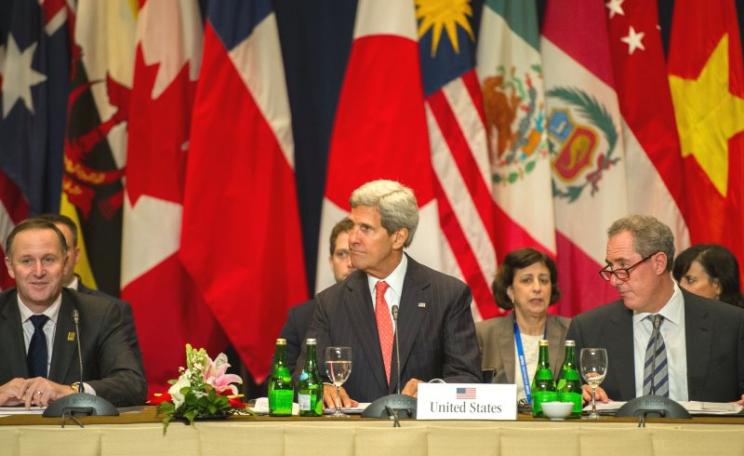
Boosters of 'free trade' agreements - like the Trans Pacific Partnership that's being signed today - like to make big promises, writes Pete Dolack: trillions of dollars of economic gains, billions of dollars of investment, millions of new jobs. But there's only one certainty, and it's one they never mention: the permanent redistribution of power and income from working people to capital.
Trade ministers will sign the Trans Pacific Partnership 'free trade' deal today, writes Sam Cossar-Gilbert. But don't be fooled by the razzmatazz. Resistance to the agreement is growing fast, and the more people find out about it and its devastating impact on jobs, health, human rights and environment, the less they like it.
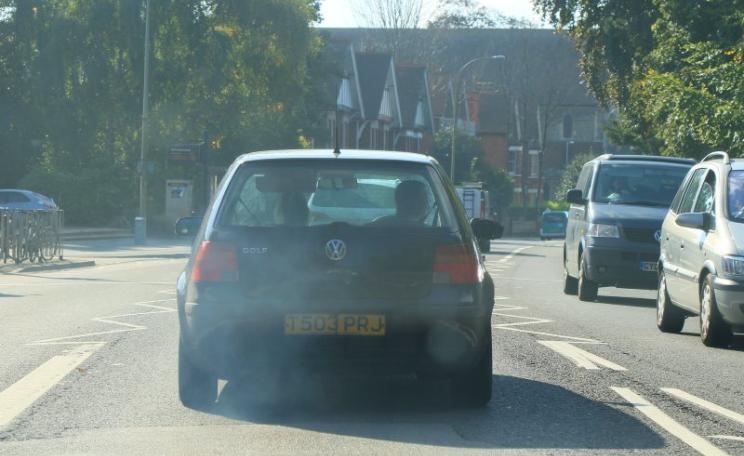
Right wing MEPs in the European Parliament including UK conservatives today voted car makers a 'get out of jail free' card over air pollution that's killing tens of thousands of citizens a year, allowing their vehicles to emit double the legal limit for nitrogen oxides.
Erdogan's horrific 'war on terror' in the Kurdish cities of Eastern Turkey may have a silver lining, writes Defne Kadıoğlu Polat - at least for property developers and ruling party insiders. Plans are already under way for 'urban renewal' projects that will see the valuable real estate cleansed of buildings and people by the war developed into luxury apartments and shopping malls.
Air pollution from vehicles is killing tens of thousands of people every year in the UK alone, write Jean Lambert, Molly Scott Cato & Keith Taylor, an outrage set into stark focus by VW's 'test cheating'. The EU's response? To relax tests and allow cars to be more polluting - with the full support of the UK government.
As presidential contenders gather in Iowa for the beginning of the party selection season, they may have noticed a lot of wind turbines, writes Zachary Davies Boren. And if they have any sense, they will find only nice things to say about them. Wind supplies 30% of the state's power, more than any other US state, and Iowans are all for it. Ted Cruz, mind your words!
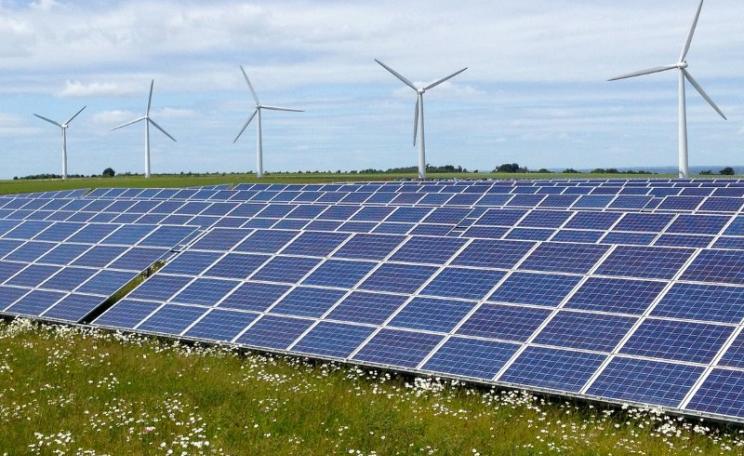
EDF's unfolding fiasco over the Hinkley C nuclear power station proves that nuclear power can come only at enormous financial cost to consumers and taxpayers, writes Caroline Lucas - and even then, investors are scared off by the risks. The government must get over its nuclear obsession and seize our renewable future.
Anti-EU sentiment and climate change denialism go hand in hand, writes Kyla Mandel. But why? Partly it's down to a belief in unconstrained national sovereignty and economic freedom - threatened by the EU and climate change alike. But it's also because out of the EU, the UK could advance the anti-environment agenda the deniers so passionately believe in, with no one to get in the way.
When the UK joined the EU in 1973, it was dubbed the 'dirty man of Europe' thanks to its out of control pollution, writes Craig Bennett. Since then EU laws have forced us to clean up our act. But if we leave, all that may go into the reverse, with terrible impacts on our air, water, health, and wildlife.
Demolishing 'sink' council estates is no way to solve social problems, writes Loretta Lees. All it does is force low income communities out of affordable housing, and open valuable urban sites up for profitable redevelopment. But then, maybe that's the point?
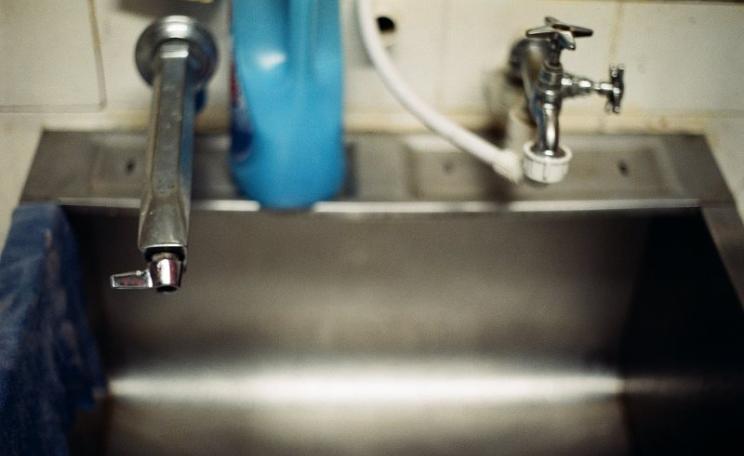
To save a small amount of money residents of Flint, Michigan, have been forced to consume hazardous levels of lead in their drinking water, writes Farron Cousins. Just the moment for the Republican House Speaker to attack the Clean Water Act.
This May the Greens are hoping to win their first seats in the Welsh Assembly, and become a strong force for social and ecological progress, writes Alice Hooker-Stroud, newly elected leader of the Wales Green Party. At the heart of the vision: sustainable, prosperous, empowered communities.
The UK's nuclear power programme is driven by military demands, write Andy Stirling & Phil Johnstone - but not in the way you might think. The most essential need is not for plutonium or tritium, but for a nuclear industrial sector to design, build and maintain the reactors that power nuclear submarines. Without them, the Trident missile system would have no military credibility.
Never mind Brazil's COP21 promises to cut its carbon emissions, writes Jan Rocha. New laws passing through Congress will encourage deforestation by removing safeguards and opening up indigenous territories to mega-projects. Serious drought is already contributing to a big increase in forest fires.