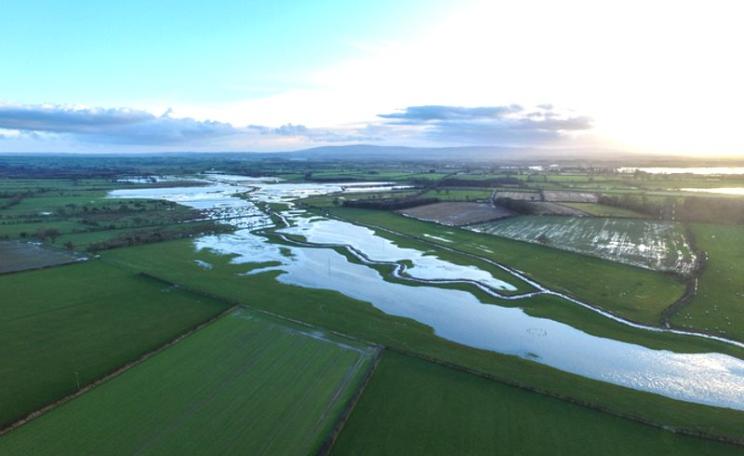
Changes to natural drainage processes in headwaters, rivers, floodplains and river channels has increased the UK's vulnerability to heavy rainfall, write Neil Entwistle & George Heritage. And to put things right, we must first gather the detailed evidence of what took place in recent floods. The Environment Agency must publish all its data, maps and images - now!
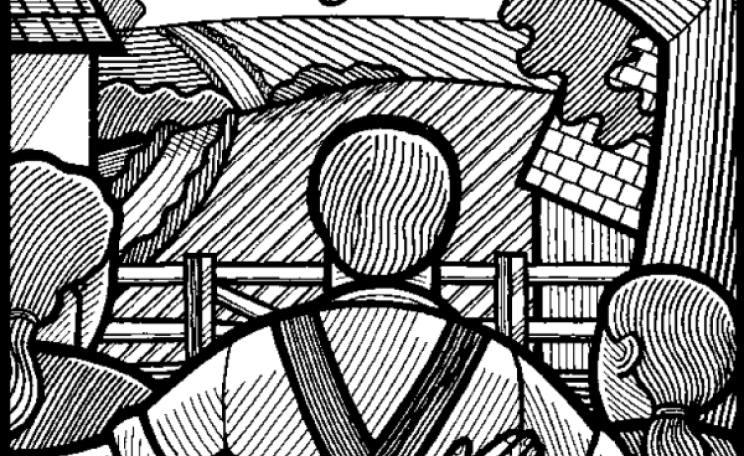
At a time when the Labour Party is discovering its egalitarian roots, inequality is as much of an issue in the countryside as in the city, states this 'Rural Manifesto' from the Land Workers Alliance and The Land. The neglect and exclusion of Britain's rural poor and landless farmers must end.
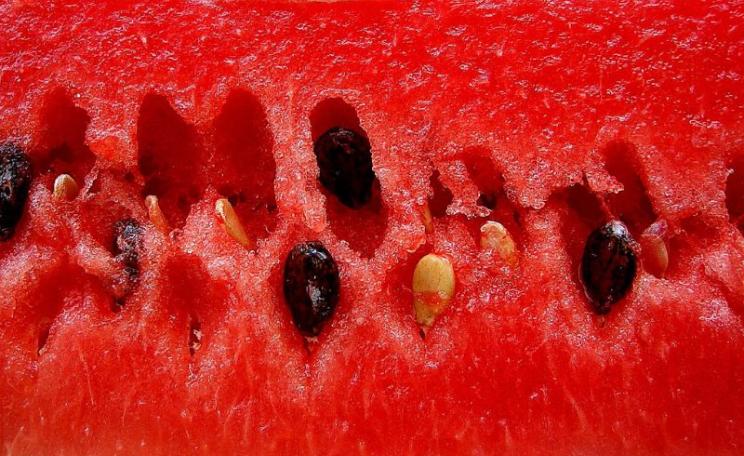
A radical new Seed Law drafted by Venezuelan people, farmers and NGOs was signed into law in the closing days of 2015, write William Camacaro, Frederick B. Mills & Christina M. Schiavoni. Striking back against the corporate takeover of seeds and peddling of GMOs, the Seed Law bans transgenic seeds, protects the country's germplasm, and establishes the legal foundation for a participatory, agroecological food and farming system.
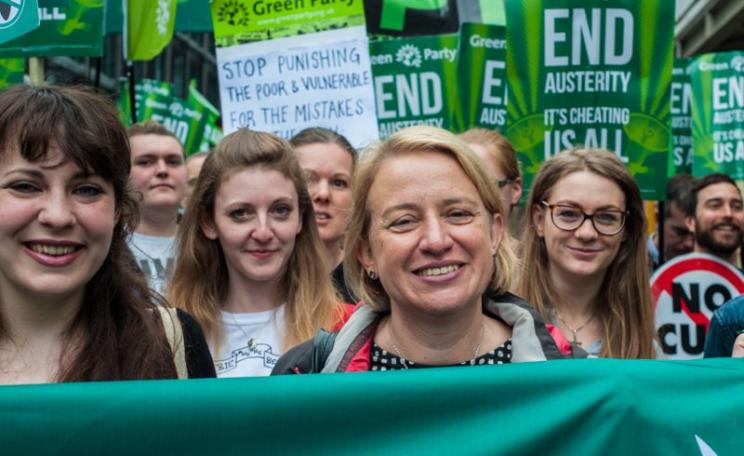
2015 saw the #GreenSurge that saw the Green Party's membership more than triple in a year and win over 1 million votes in the election, writes Natalie Bennett. Now we need to build on that success: winning representation in local authorities and working for a fair electoral system in which no vote is 'wasted' and we can all vote for what we believe in.
The more the GM industry claims to enjoy the support of 'science', the more it resorts to emotive attack and insult against its opponents, while doing its best to suppress the many scientific truths that are not to its liking, writes Colin Todhunter. In truth it is driven by profit, politics and ideology, and is based on fraud and the capture and corruption of governments and regulators.
Rich nations at this month's World Trade Organisation summit in Nairobi failed in key objectives, writes Alex Scrivener, like the inclusion of investor rights as in TTIP, TTP and CETA. But the unfair order of global trade remains in place, and the greatest danger for poor countries is that the neoliberal agenda will now be forced upon them in opaque regional and bilateral trade deals.
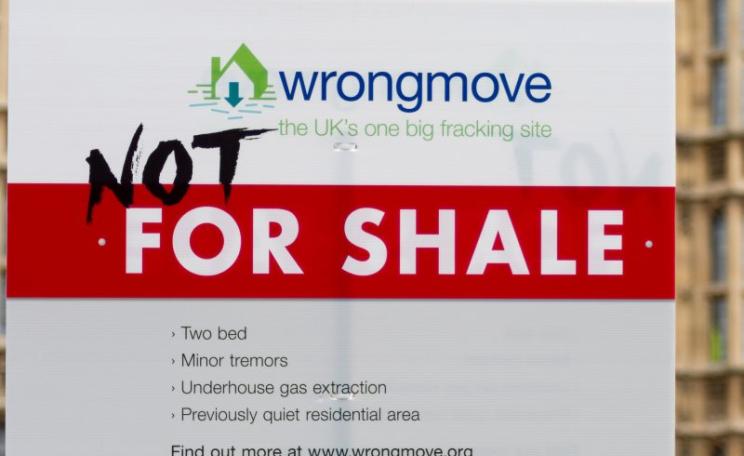
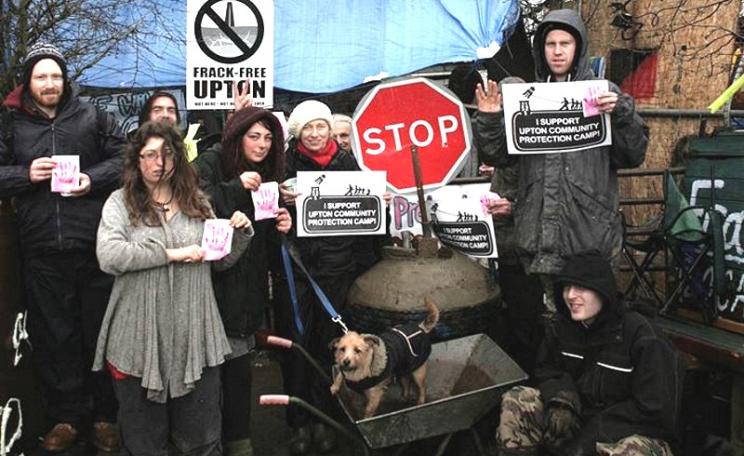
The UK's insistence on opening up the UK to fracking is symptomatic of a deeper malaise, writes Paul Mobbs. Of course we need a change of government, but more than that, we need a deeper, enduring change of the nation's governance if we are ever to effect the transition to sustainable policies on energy and environment. It's time for the UK to become truly democratic.
Environment Secretary Liz Truss told Parliament yesterday that England's badger cull is 'working', and needs to be extended into new areas, writes Oliver Tickell. Yet she and the NFU have refused to release the evidence to back up her claims. Now MPs and NGOs are joining the cry: 'publish or be damned!'
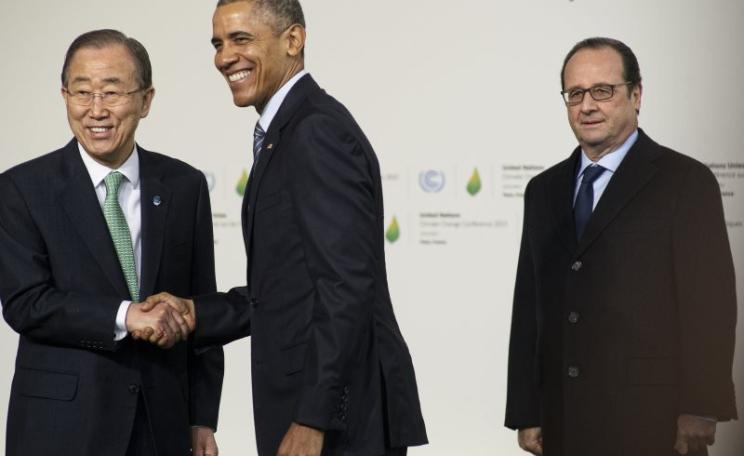
President Obama believes he can keep the promises he made on behalf of the USA at COP21, writes Robert Percival. And he's right - with or without the approval of Congress. But ultimately, it's up to US electors to maintain the political momentum for climate action. A future administration could put all his policies into reverse - no matter how foolish that would be.
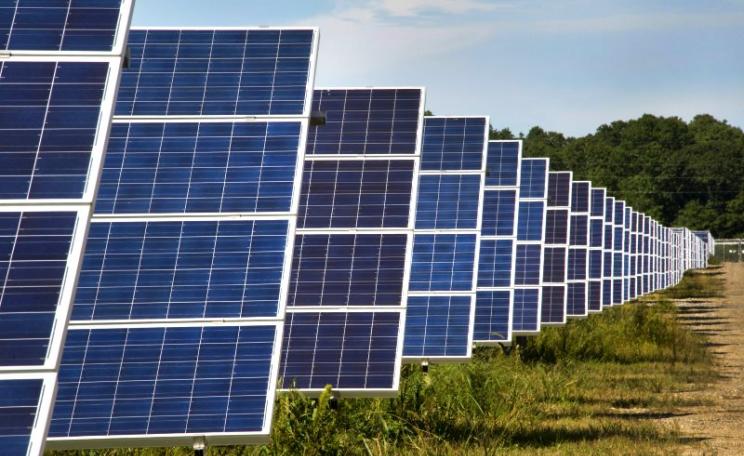
Less than a week ago Amber Rudd was basking in the glory of the Paris Agreement. Today, she's betraying all her high-flown rhetoric as she smashes up what's left of the UK solar industry with a deep cuts in incentives to solar generators and the imposition of 20% VAT.
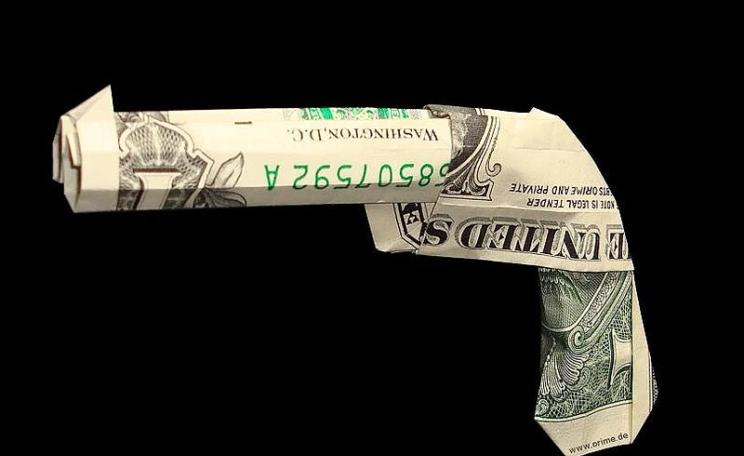
In this new age of austerity money is a perpetual struggle for the public sector and ordinary people, writes Pete Dolack. Yet central banks have squandered trillions to boost profits in the financial sector, reward speculation and push up real estate values. In fact, the world is awash with money as never before - our money. Just don't expect to get your hands on it any time soon.
The government's decision to cut support for domestic solar by 64% reflects antiquated thinking, writes Doug Parr. Just as the rest of Europe is shifting to ever-cheaper renewable, low carbon, decentralised, participatory, employment generating energy systems, the UK is stuck in a the dirty past of nuclear and fossil fuels.
New regulations that will allow fracking under national parks, water sources and nature sites won the approval of MPs today in a Commons vote, write Kyla Mandel & Oliver Tickell, even though four Tory MP's rebelled against the party whip. But the new rules won't apply in Wales and Scotland.
Energy Secretary Amber Rudd's plan to deliver the UK's emissions reductions promised in COP21 rely on nuclear power as the main 'low carbon' energy source, writes Paul Flynn. But the high cost of nuclear, and the ruinous track record of current technologies, show that this path leads only to massive failure at public expense.
Hidden away in the pages of UN-speak that make up the Paris Agreement are the makings of global carbon market in which a host of exotic emissions derivatives can be freely traded, writes Steffen Böhm. And it's all going to be a huge and expensive distraction from the real and urgent task of cutting emissions.
The emergence in the Paris Agreement of 1.5C as the global temperature rise the world should aim for is hugely significant, writes Natalie Bennett. But it's up to us, climate activists and ordinary citizens the world over, to make sure it's delivered.
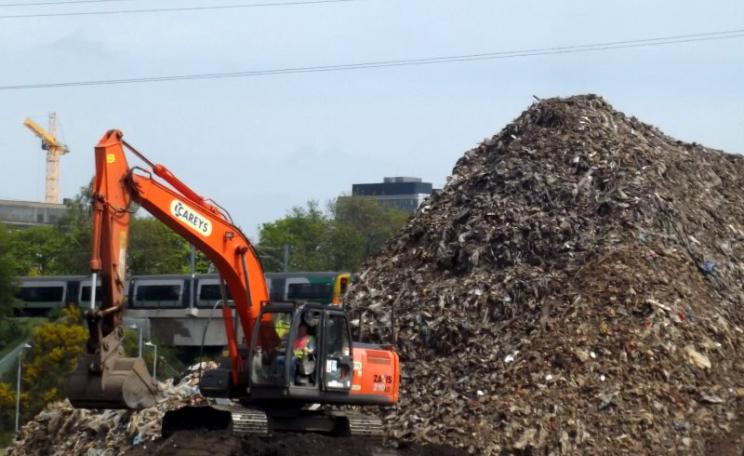
The apparent conspiracy by the UK government and its agencies to conceal the real cause of death of 7-year old Zane Gbangbola may go right up to Prime Minister David Cameron, writes Paul Mobbs. He was chair of the COBRA emergency committee at the time when it appears to have held back the truth that he was killed by cyanide from the toxic landfill site his home was built over.
Overtaken by massive regional trade agreements like TPP, TTIP, CETA and TINA, the World Trade Organisation has slipped into the background, writes Polly Jones. But this week it's back with a vengeance, with its first big meeting in two years. The US's plan is to globalise the investment protection regime set out in the TTP, and open a new era of corporate rule and the eradication of democracy.
Pro-GMO US senators have a dastardly plan to deny states the right to require GMO labeling, writes Steven M. Druker, by attaching their DARK Bill as a rider to the Appropriations Bill next week. Now is the the time to wake up senators to the Bill's true intent, and to the deceit, illegal behaviour and scientific falsification that has kept the dangers of GMO foods a well kept secret - so far.
No matter what bullying tactics they encounter in the final stages of COP21, writes Laurence Delina, 'climate vulnerable' countries must hold firm - and demand a legally binding treaty that delivers deep emissions cuts and secure, sufficient climate finance, all backed by strong sanctions for non-compliance. Nothing less will do.
Who's the UK's foremost politician setting the agenda on climate change issues? Green MP Caroline Lucas, of course. Nick Breeze caught up with her at a COP21 event at the French National Assembly in Paris. The fossil fuel industry is in its last throes, she told him - but it's fighting back hard, and politicians are giving out very mixed messages: saying one thing, while doing another.
Britain's five top media billionaires are all 'climate sceptic and using their newpapers to disinform us on climate change and block effective action, writes Donnachadh McCarthy. So let's put together a block of climate-aware advertisers to demand they tell the truth.
How can Green parties acquire real political power? A new book by Per Gahrton, founder of the Swedish Green Party, is much more than a useful reference text on the history of Green Parties around the world, write Bennet Francis and Rupert Read. It's also a valuable manual in realpolitik that resonates here and now in the UK.
Saturday's delivery of the draft Paris Agreement text for ministers to run with today was a small miracle, writes Luke Kemp. But it came at the cost of 935 bracketed texts to be argued over by ministers this week, while key questions - whether it will be a legally binding treaty, and how poorer countries will be paid to adapt to and mitigate climate change - are still up for grabs.