The Government has refused to publish its report on the cost effectiveness of England's badger cull because it is 'still in draft form'. Campaigners say the real reason is that it reveals the cull to be cruel, ineffective and incredibly expensive.
Another week, another renewable energy cut. This time George Osborne is swinging the axe at tax breaks for community renewable energy schemes, writes Aisha Gani - even though previous cuts have already made 90% of projects unviable.
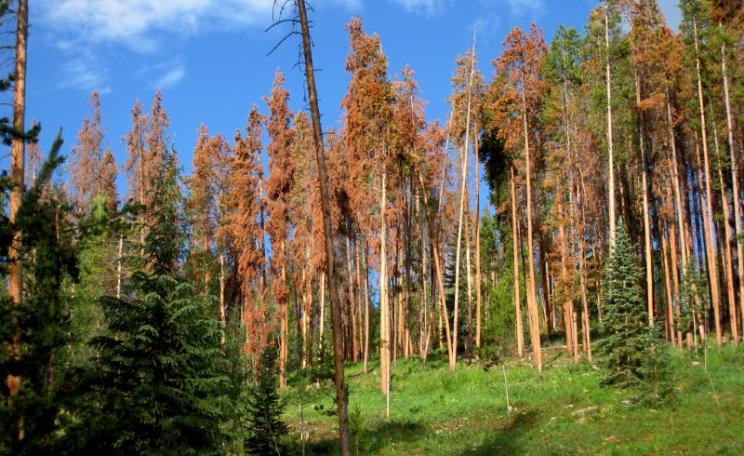
Bark beetles are invariably presented as terrible, forest killing pests, writes Chad Hanson. But in truth forest biodiversity depends on them to create the snags for insects to burrow in, woodpeckers to feed off, and countless birds and even pine martens to nest in. So when you hear politicians calling for bark beetle 'salvage' logging, send them off with a flea in the ear!
Climate protestors claimed a big win after a successful 48-hour vigil outside the Daily Mail's London offices with Green Party Leader Natalie Bennett that won wide support from the Mail's own journalists. More events will follow in the run up to COP21.
Buried in the minutes of an obscure new quango is evidence of vast corporate capture of the UK government, writes Christine Berry. The order of the day is to strip away business regulation without regard to the public costs - so long as companies save money.
Just as the UK's entire renewable energy industry is up in arms against fierce cuts to support for the sector, energy Minister Andrea Leadsom suggested to MPs that the measures were supported by solar firms in her constituency. They beg to differ.
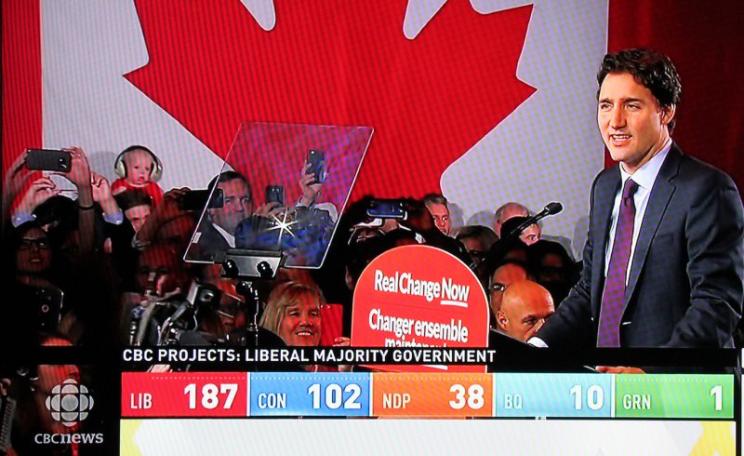
Political earthquakes in Canada and Australia have seen climate-sceptic leaders replaced by new ones committed to effective climate action, write David Konisky & Matto Mildenberger. It may be going too far to say that's why they were elected - but these elections do show that green policies are no electoral drawback.
The late Labour MP fought both Tony Blair and Gordon Brown on environmental policies, writes John Vidal, standing up for climate and access to countryside, and against GMO crops and road building. Radical to the end, he was one of the few MPs to support Jeremy Corbyn as Labour leader.
Massive government cuts in solar 'feed in tariffs' threaten to wipe out our highly successful solar industry, writes Sonia Dunlop - and all to save £1 year off our fuel bills. Yes, that's all it would cost to keep the sector in business, employing tens of thousands of expert solar installers all over the UK.
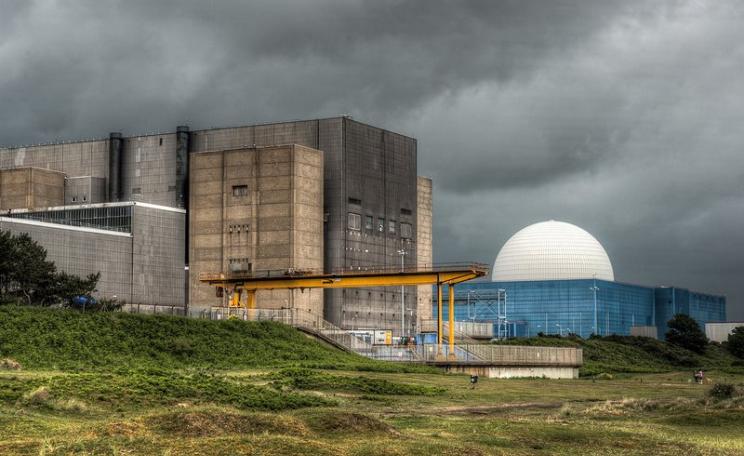
China's nuclear investment into the UK raises more questions than it answers, writes Oliver Tickell. The £6bn committed is nowhere near enough to see Hinkley C to completion, and EDF has few options for raising the rest elsewhere. The only answer is more Chinese money, and it won't come cheap - not for Britain, nor indeed for France's vulnerable nuclear corporations.
It's all change in Canada with the dramatic ousting of anti-environment Conservative Prime Minister Stephen Harper, writes Carol Linnitt. Under the new Liberal PM Justin Trudeau things are looking a lot better for climate, science, environment, transparency and First Nations. But Canada is still set to go into the Paris climate talks with the same weak level of commitment.
The UK is embarking on a reckless endeavour in its attempted nuclear union with China, write David Lowry & Oliver Tickell. China's investments will come at a high price, one that transcends mere money and the undoubted security risk inherent in its control of key elements of our energy infrastructure. At risk is the UK's very future as a sovereign, independent nation.
The love affair of the 'pro-nuclear greens' with a failed technology has paved the way to the UK's destruction of its renewable energy industry, writes Jonathon Porritt, and to the imminent deal with Chinese parastatal corporations to build a new fleet of already obsolete nuclear power plants at massive cost to us all.
It may not be on tonight's telly, but there's only one story on the lips of SNP members at their party's conference in Aberdeen, writes Jen Stout - the grassroots revolt against the feeble land reform bill advanced by the party leadership, rejected outright by members in a decisive vote. Now the SNP must come up with a bill that's as 'radical' as Nicola Sturgeon's speeches.
Fuel poverty is a complex problem with many causes, writes Mari Martiskainen, but it is also a deadly one for some 25,000 thousand people every year. And there is one surprisingly simple solution: a huge upgrade in the energy efficiency of our housing stock.
Fewer than half the UK's inhabitants even have a driving licence, writes Chris Church. So how come the UK's transport policies are all about meeting the needs of drivers? After all, even drivers are pedestrians the moment they step out of their cars. Now a new campaign group is forming to give a voice to non-drivers - and demand a better deal.
The UK government is punishing renewable energy for its success in generating 25% of the country's electricity, writes Stuart Parkinson. But there's no austerity when it comes to the bloated military-nuclear industrial sector, no matter how egregious its failures or extreme its cost overruns. Our future prosperity is being sacrificed - and its costing taxpayers billions.
On the face of it, the UK's policy to pursue nuclear power at all costs, while destroying the renewable energy sector, is totally illogical, write Philip Johnstone & Andy Stirling. But then it may make perfect sense - if only you accept that it's really all about maintaining the country's role as a nuclear weapons state for generations to come. And the 'deep state' has a way of getting its way.
The Conservatives' commitment to owning, renewing and using the UK's nuclear weapons was cheered to the rafters at their party conference, writes David Lowry. But it has left them vulnerable to Corbyn at tomorrow's Prime Minister's Questions - should he decide to expose their nuclear hypocrisy.
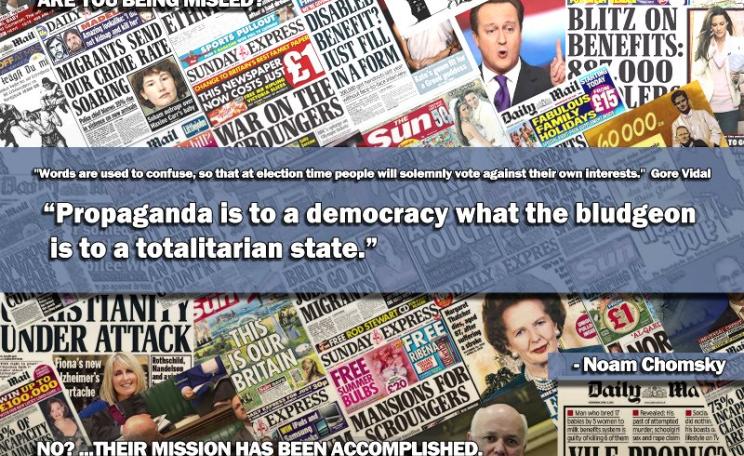
A handful of 'climate sceptic' billionaires, owners of most of the UK's biggest selling newspapers, have used their media dominance to spread a false narrative on climate change, and undermine prospects for effective action to curb fossil fuels, writes Donnachadh McCarthy. Campaigners must fight back - beginning with a series of actions that begin outside the Daily Mail this month.
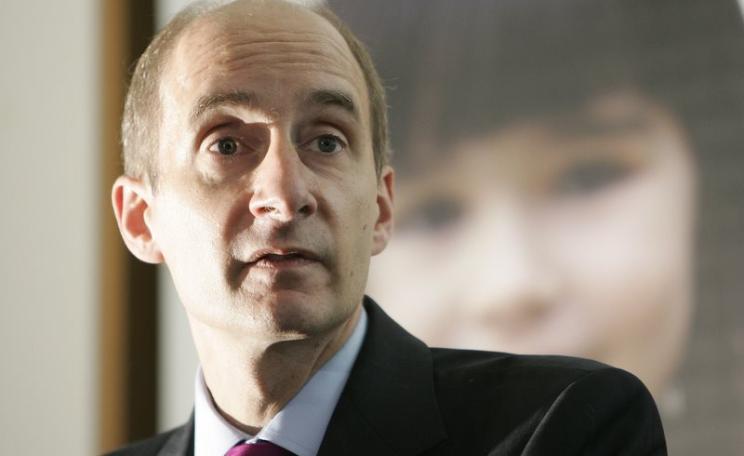
This week George Osborne took the entire energy policy brief out of the department for energy and climate change, and handed it to the new National Infrastructure Commission. It could mean a swift end to the Hinkley C nuclear plant and a new wave of renewables - but don't count on it. NIC chairman Lord Adonis is no green dreamer. But at least he takes energy seriously.
The successful conclusion of the TPP talks is a huge blow for social and economic justice, writes Nick Dearden in his twelve point summary. But it's not over yet: the long secret text must now be made public. And there's every chance it can be defeated in an increasingly skeptical Congress.
To explain their desperation to commit an estimated £76 billion of public money to the Hinkley C nuclear project, writes Paul Dorfman, the Treasury and its Chancellor, George Osborne, claim there are other benefits that justify this vast expenditure. So what exactly are they? And do the claims survive critical examination?
Peru is in hot competition with Brazil to be the main focus of Amazonian deforestation, writes Clément Doleac. A neoliberal government desperate to hand over the country's forests, oil, gas, minerals and indigenous lands for corporate exploitation is unafraid to break national laws, turn a blind eye to air and water pollution, and respond to any challenges with overwhelming violence.