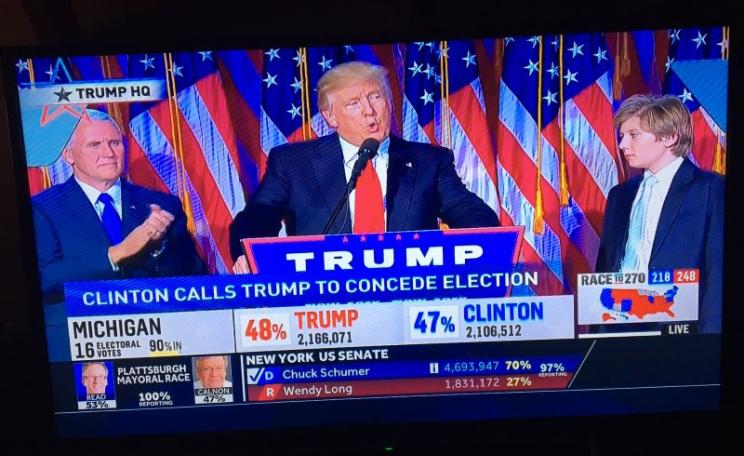
Trump has pledged to ditch the Paris Agreement, scrap Obama's clean power plan, get coal miners back to work, and 'make America great again' on the back of a huge expansion of fossil fuel production, writes Mark Barteau. But he will run into serious difficulties, not least states going their own renewable ways, cheap natural gas, and weak international demand for coal.
Trump is heading to the Oval Office thanks to the rampant corruption of the US liberal establishment exemplified by Hillary Clinton, the electoral fraud that deprived Bernie Sanders of victory in Democratic primary, and President Obama's failure to deliver his promised 'hope and change' to the millions who elected him.
The 'Global Redesign Initiative', a project of the World Economic Forum, aims to replace UN-based intergovernmental decision-making with unaccountable 'multi-stakeholder governance' run by and for corporations, writes Margi Prideaux. What future for nature and people in this brave new world? Generate profits for investors, or face extinction or exclusion to the margins of existence.
Forty years ago workers at Lucas Aerospace created a detailed plan to transition out of the arms industry and into green, sustainable products and technologies, writes David King. it never happened, yet the Lucas Plan provides a blueprint for similar initiatives today to build a deep-rooted, broad-based movement for social, economic and ecological progress.
With the UK's Digital Economy Bill set to be finalised today, new 5G microwave spectra are about to be released across the planet without adequate safety testing, writes Lynne Wycherley. Global neglect of the Precautionary Principle is opening the way to corporate profit but placing humans and ecosystems at risk, and delaying a paradigm shift towards safer connectivity.
In one reality, the government recognises climate change, signs the Paris agreement, and commits to its 1.5C target, writes Matthew Adams. In another, it promises a new London runway that's predicated on sending aviation emissions soaring for decades to come. Now repeat after me: 'Everything will be fine!'
The EU Council today blocked the progress of CETA, the Canada-EU trade deal, writes Nick Dearden. It's a dramatic reversal for the transatlantic 'free trade' agenda, with the unpopular TTIP US-EU agreement already close to death. But negotiators aren't giving up on their aim to push CETA through, no matter what. Our fight goes on!
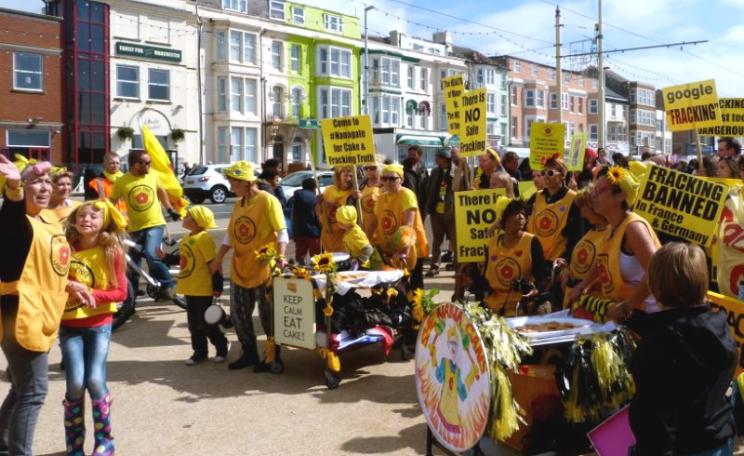
Last week the EU ratified the Paris Agreement to limit climate change, writes Tony Bosworth. So how did Communities Secretary Sajid Javid mark the occasion? By overturning Lancashire's democratic rejection of fracking, so giving a whole new fossil fuel industry the green light to let rip. Hypocrisy? The word hardly does justice to our government's mendacity.
Hot on the heels of the recent revelations of antibiotic-resistant bacteria on UK meat, a new Early Day Motion in the House of Commons calls on supermarkets to prohibit 'routine mass-medication of livestock' in their supply chains, and commit to 'drastic reductions' in farm use of critically important antibiotics. Make sure your MP signs!
Sajid Javid's decision to allow shale gas wells to go ahead in Lancashire marks a new phase in the industry's development, writes Michael Bradshaw. But it will also trigger a new phase of organisation, protest and resistance among impacted communities. Cuadrilla, IGas and other companies may just find the 'social licence' they thought they didn't need is essential, after all.
London Mayor Sadiq Khan promised electors that he would be the 'Greenest Mayor ever'. In spite of his apparent support for a new Thames road crossing in East London and an expanded London City Airport, he still has huge opportunities to make good his pledge. And Green Assembly Members will be working hard to make sure he does.
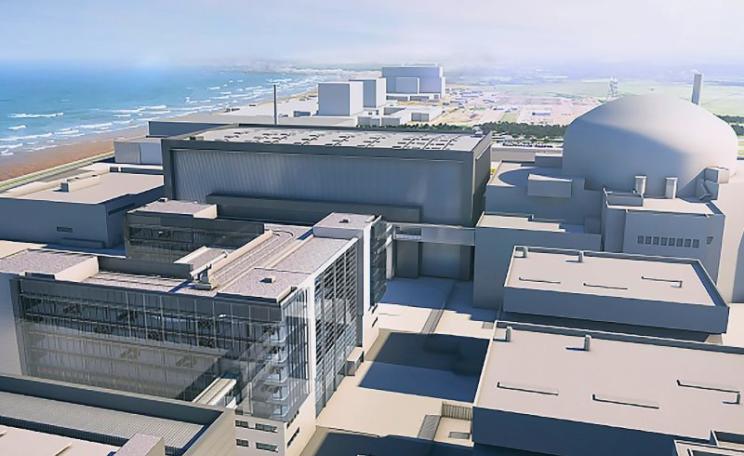
With its choice of Hinkley Point C - a £100 billion nuclear boondoggle - its enthusiastic support for expensive and environmentally harmful fracking, and its relentless attack on renewable energy, the UK government's energy policy is both morally and economically bankrupt, write Peter Strachan & Alex Russell. It must urgently reconsider this folly and embrace the renewable energy transition.
A future Labour government will ban all fracking in the UK and drive forward a clean, affordable energy revolution, Barry Gardiner promised in his conference speech today. And it will openly negotiate 'Just Trade' agreements that respect the environment, health and labour, boosting small business not just multinational corporations.
While the confrontation at Standing Rock has galvanized Indians and non-native supporters from across the continent, writes Stanley L. Cohen, it's but a symptom of a much deeper crises facing several million Indians holding on to endangered traditions and cultures that predate 'our' arrival by several thousand years. We may call Indian people sovereign. But it's all a grand, perverse lie.
It's not that Dilma Rousseff, Brazil's ousted President, was wonderful for the environment, writes Ed Atkins. It's that Michel Temer's new regime is certain to be far worse. Plans are afoot to weaken environmental assessments for large projects like mines, roads and dams. And the new Minister of Agriculture is a notorious campaigner for hugely increased deforestation.
The French and the Chinese may be celebrating the UK's decision to press ahead with the Hinkley C 'nuclear white elephant', writes Oliver Tickell. But the deal is a disaster for the UK, committing us to overpriced power for decades to come, and to a dirty, dangerous, insecure dead end technology. Just one silver lining: major economic, legal and technical hurdles mean it still may never be built.
Under my leadership Britain will act to protect the future of our planet, with social justice at the heart of our environment policies, writes Jeremy Corbyn. Meeting our Paris climate targets will be the starting point for a green industrial revolution that will deliver clean, affordable energy to all, create millions of new jobs, and establish the export industries of the future.
Theresa May's first big decision as PM was to duck out of a signing ceremony and review the Hinkley C nuclear project. But she will soon have to reach her decision. In this open letter Scientists for Global Responsibility set out six compelling reasons for her to let the whole monstrous white elephant go.
Last night's BBC Panorama programme did a good job at lifting the lid on Britain's ongoing nuclear disaster that is Sellafield, writes Ian Fairlie. But it failed to expose the full scandal of the UK's 'reprocessing' of spent fuel into 140 tonnes of plutonium, enough to build 20,000 nuclear bombs - while leaving £100s of billions of maintenance and cleanup costs to future generations.
The shocking death of Zane Gbangbola, killed by toxic gas from a 'forgotten' landfill under his home, exposes the UK's dangerous legacy of contaminated land, writes Paul Mobbs. Without action, these polluted sites will damage health and even kill for centuries to come. But governments, local authorities, landowners and developers are united in a shameful policy of silence and denial.
Judicial review is often the only way to challenge unlawful government acts and policies on the environment, writes Gillian Lobo. But proposals to double cost caps, or even remove them altogether, threaten the ability of both individuals and NGOs to hold government to account. Theresa May's new administration must urgently rethink!
It's time for UK citizens to #takebackREALcontrol by challenging the anti-democratic powers that control our country, our economy and our lives, retiring Green Party Leader Natalie Bennett told her party conference this weekend in this barnstorming speech. And that's a challenge only the Greens are prepared to take on.
The new co-leadership of the Green Party is an historic first for any Westminster Party with the duo promising to rejuvenate British democracy by putting voters back in control. They also want a second referendum on the terms of our exit from Europe
As the G20 meet in China this weekend, it's time for governments to finally get tough on the world's tax dodgers, write Dipti Bhatnagar & Sam Cossar-Gilbert. The missing tax revenues would be able to finance a 100% renewable electricity system covering half the planet by 2030 - a major step in raising living standards and tackling climate change.