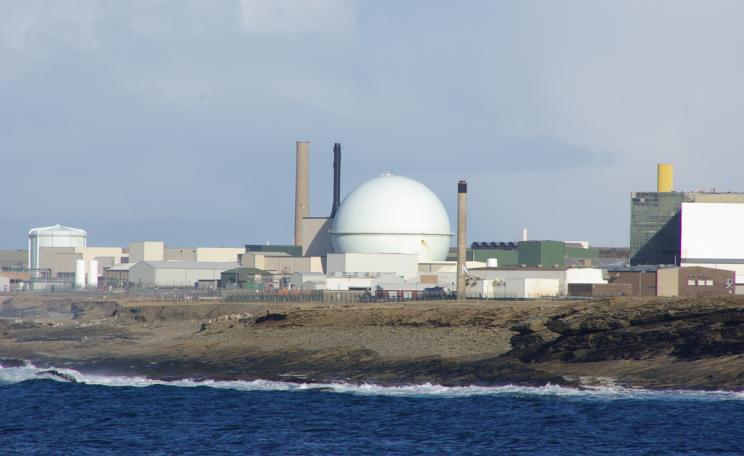
Planned air transports of high-enriched uranium from Dounreay in Scotland to the US state of Tennessee would risk of accident or a terrorist seizure of weapon-usable nuclear material, writes Ernie Galsworthy. The motive for the transport appears to be purely commercial - and would thus put the public at needless risk for the sake of a cut-price nuclear waste / fuel deal between US and UK authorities.
World leaders are meeting in New York today to sign the Paris Agreement on climate change, write Stephen Buranyi & Oliver Tickell. But the world just failed a big test of its commitment to the Paris targets by deadlocking on IMO proposals to limit emissions from international shipping.
This week, the International Maritime Organisation could act to curb fast-rising emissions from shipping under the Paris Agreement, write Barry Gardiner & Richard Burden. But there are growing fears that the UK government may seek to delay and obstruct vital progress.
The state government of Ekiti sent bulldozers to clear farmland for a new airport without even consulting the farmers who owned it, writes Rose Bridger. Crops, buildings and trees were all flattened. But the farmers fought back - and have now won a major legal victory that will inspire and empower other mega-project afflicted communities across Nigeria, and beyond.
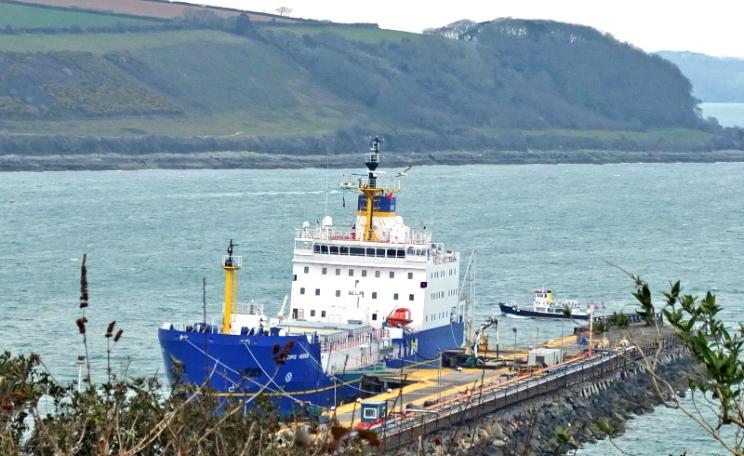
Two heavily armed, UK registered ships are currently engaged in the transport of UK sourced plutonium across the Pacific, writes Tim Deere-Jones. Details of their safety inspection records, survey status, voyage routes and location have been suppressed in the interests of security but the lack of transparency breaches a number of international safety standards.
It will take decades to completely leave fossil fuels, writes Richard Heinberg. But we can do it, starting with the easy stuff: going big time for wind and solar, raising energy efficiency, replacing oil-fuelled vehicles, and moving to organic farming. But deeper changes will follow as we transition to a more enduring sustainability - consuming better, and much less.
The Chancellor's 'sport not sugar' move to tax sugary drinks was extremely welcome, writes Simon Bullock. But we need a similar Treasury approach to protect people from other threats too. So how about tackling the air pollution that's killing tens of thousands of Britons a year?
Low Emissions Zones have their place in cleaning up the UK's worst air pollution hotspots, writes Richard Howard. But we also need to adopt fiscal measures to encourage a shift away from diesel vehicles, at once delivering cleaner air, increased tax revenues, and lower carbon emissions.
Improved technology and falling costs are moving electric car sales into the fast lane as manufacturers seek achieve significant economies of scale, writes Kieran Cooke. And now China is leading the EV charge with its plans for 5 million plug-in vehicles by 2020.
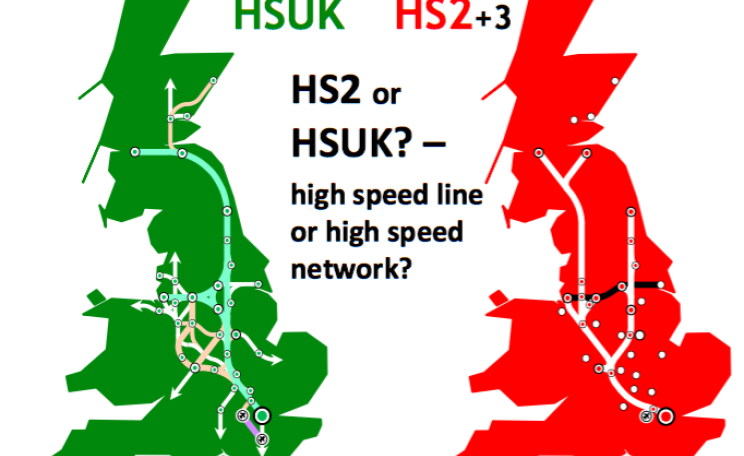
High Speed UK is the greener, well-connected alternative to HS2, write Colin Elliff, Andrew Coulson & Stephen Stretton - and it would save taxpayers billions. Financed by taxing property owners in connected cities on their windfall gains, HSUK would create a low fare, high capacity, interconnected railway network which would generate huge long-term profits for the nation.
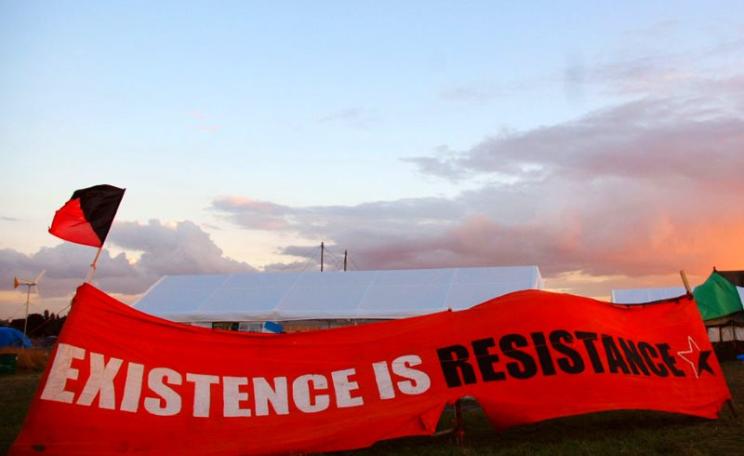
With the 'Heathrow 13' protestors expecting custodial sentences today for their occupation of a Heathrow runway last July, Shadow Chancellor John McDonnell MP writes that their direct action followed years of official lies and broken promises, and forms part of a long tradition of direct action protests in defence of democracy.
Advanced new catalysts are poised to stimulate a clean energy revolution, writes Tim Radford. An organic replacement for the precious metal platinum would allow surplus electricity to be cheaply converted into hydrogen fuel, then burnt in low cost fuel cells to propel 'green' vehicles and generate power on demand.
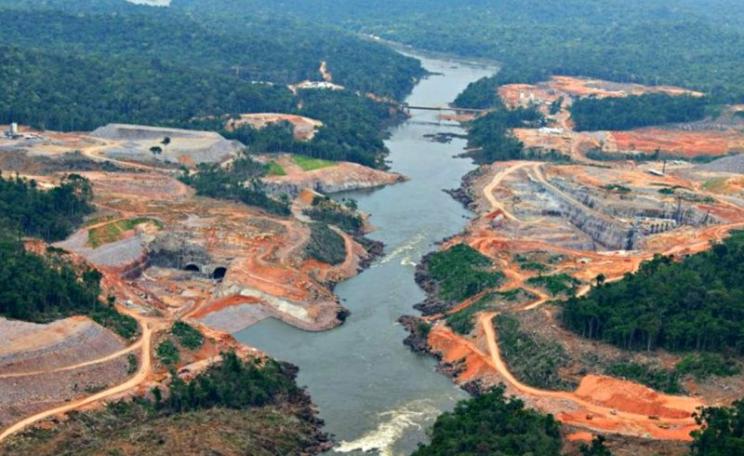
Roads, mines, dams, power lines, pipelines and other infrastructure projects are fast eating into the world's 'core forests', writes Bill Laurance. These rare and precious places where wildlife and ecological processes can flourish undisturbed must come before the evanescent gains of 'development'. To save what's left, governments and funders must learn the word 'No!'
Right wing MEPs in the European Parliament including UK conservatives today voted car makers a 'get out of jail free' card over air pollution that's killing tens of thousands of citizens a year, allowing their vehicles to emit double the legal limit for nitrogen oxides.
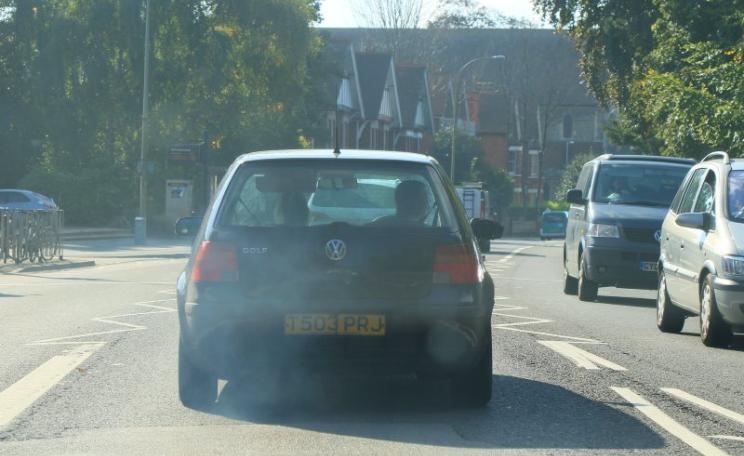
Air pollution from vehicles is killing tens of thousands of people every year in the UK alone, write Jean Lambert, Molly Scott Cato & Keith Taylor, an outrage set into stark focus by VW's 'test cheating'. The EU's response? To relax tests and allow cars to be more polluting - with the full support of the UK government.
As worldwide stocks of plutonium increase, lightly-armed British ships are about to carry an initial 330kg of the nuclear bomb metal for 'safekeeping' in the US, writes Paul Brown. But it's only the tip of a global 'plutonium mountain' of hundreds of tonnes nuclear power's most hazardous waste product.
A huge march of over 20,000 people including local farmers last weekend marked the biggest protest yet against a new international airport in France's Loire Valley. The peaceful occupation of a bridge was later attacked by riot police with tear gas and water cannon.
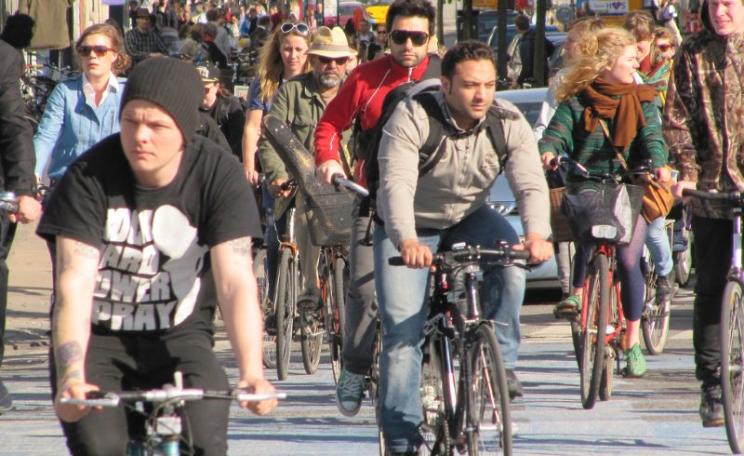
The world's big cities are choking with pollution and endless traffic jams, writes Colin Todhunter - except one. Copenhagen, faced with these problems half a century ago, decided to act. Now it is showing the world that cycling is not just the basis of a sustainable transport strategy, but is key to making our cities clean, green, human and livable. May the global revolution unfold ...
It was a remarkable spectacle, writes Damian Kahya: MPs trying to get straight answers out of VW's top man in the UK over the 'dieselgate' scandal. Of course our cars gave false test results. But who would ever believe those stupid tests anyway? How many people died from all the extra pollution? None! There was no pollution!
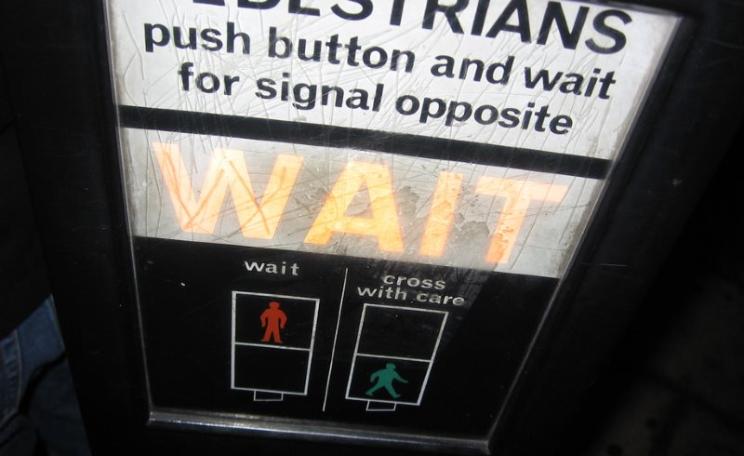
Fewer than half the UK's inhabitants even have a driving licence, writes Chris Church. So how come the UK's transport policies are all about meeting the needs of drivers? After all, even drivers are pedestrians the moment they step out of their cars. Now a new campaign group is forming to give a voice to non-drivers - and demand a better deal.
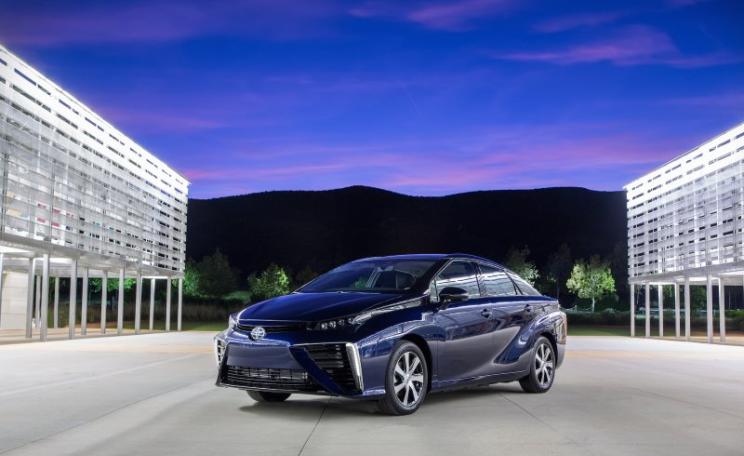
Hydrogen cars - and the fuel cells that drive them - are about to get a whole lot cheaper thanks to a redesign of the platinum catalyst that makes them work, writes Oliver Tickell. By inserting atom-sized holes into the precious metal's surface, its activity can be trebled.
The demand for ever more air travel and new runways comes from a small minority of frequent flyers, writes Keith Taylor - the 15% who take 70% of flights. So we can reduce that demand with a frequent flyer tax - while making it cheaper for ordinary families to enjoy an annual holiday abroad.
The real lesson of Volkswagen's 'dieselgate' scandal is that we must ditch petroleum fuels, writes Harry Hoster. There's new, clean technologies just waiting to take off - and the most promising is fuel cells. They will also fit right into the new world of renewables, with surplus power from wind and solar making the hydrogen they burn.
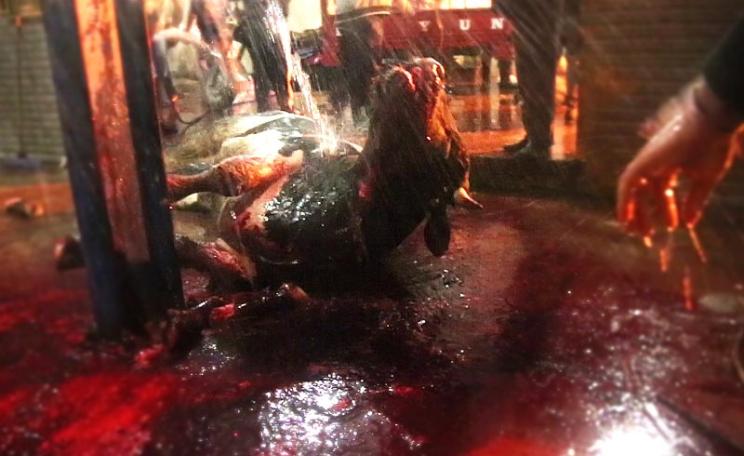
The EU's long-distance trade in live cattle to the Middle East inflicts horrendous cruelty at every point from farm to slaughter, writes Peter Stevenson, as well as posing public health risks due to grossly insanitary conditions. Live animal exports for meat should be stopped and replaced with a humane trade in refrigerated meat and carcasses.