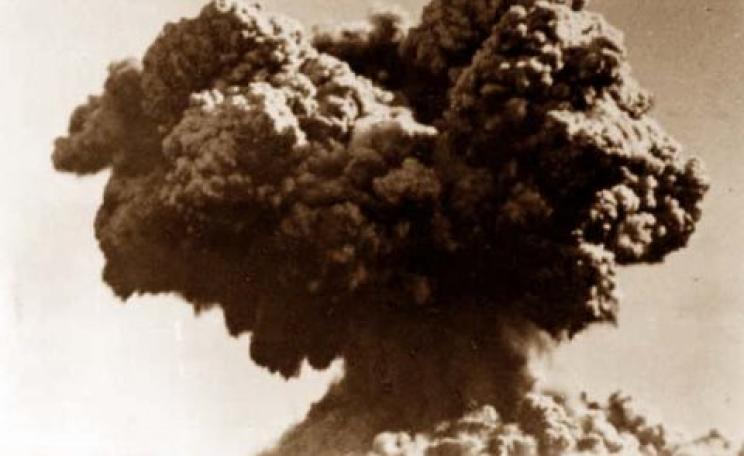
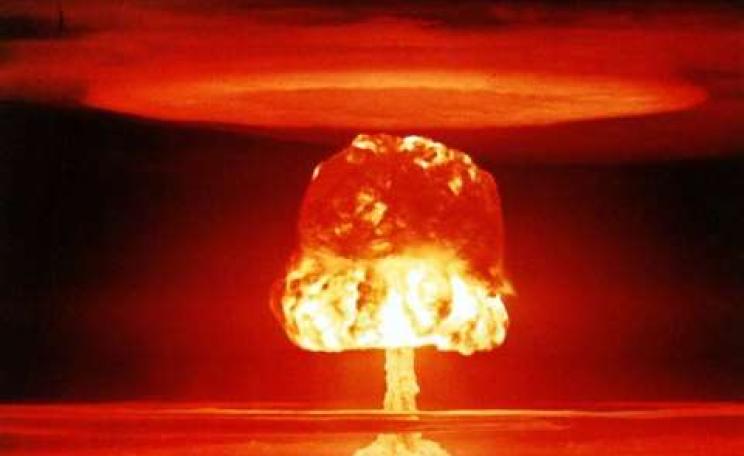
A scientific paper published this week shows that the severe health damage caused to UK bomb test veterans persists through the generations, writes Chris Busby. Their children and grandchildren are almost ten times more likely to suffer from congenital malformations than controls - and the only common cause is historic radiation exposure.
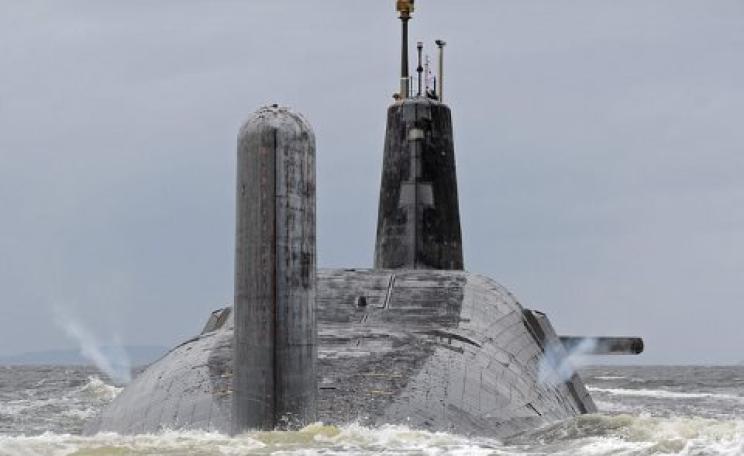
If the Scots vote yes on Thursday the UK's already tight military budget will be squeezed even harder, writes Paul Ingram, dramatically increasing the chances of nuclear disarmament. Adding to the UK's headache: the only medium term alternative base for its Trident submarine fleet would be ... in Georgia, USA.
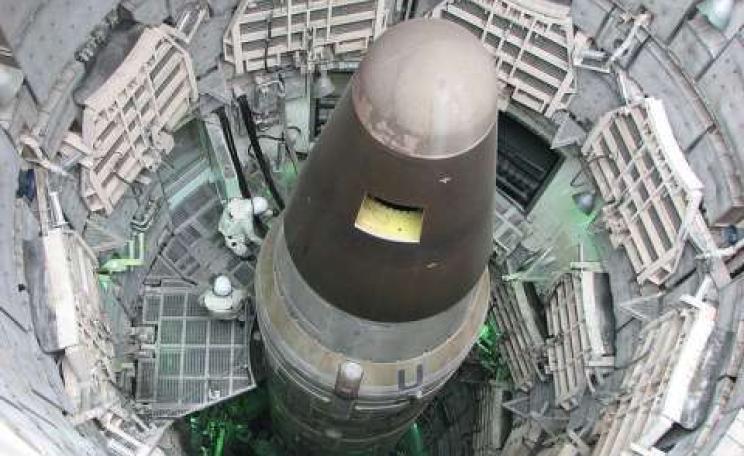
Campaigners who dared confront the might of the US's nuclear weapons establishment, in the process revealing the chronic insecurity of its facilities, are paying a heavy price, writes Michael Edwards. But their strength, serenity and joy in the face of brutal injustice brings hope to the world for a just and peaceful future.
Every now and then I am sent a book to review that is an absolute pleasure to read from cover to cover, writes Virginia Moffatt. This marvellous collection of interviews and essays by world-changing women activists is precisely one such book.
On the face of it, the UK government's obsession with nuclear power defies reason. It's very expensive, inflexible, creates 'existential' threats and imposes enormous 'long tail' liabilities tens of thousands of years into the future. But there is a simple explanation: it's all to maintain the UK's status as a nuclear WMD state.
One hundred years ago this August, guns rang out as a Europe made unstable by hatred, nationalism and a complex web of treaties went to war. Now the entire world appears poised for conflagration, writes Guy Horton. But where are the leaders to pull us from the brink?
Australia's nuclear industry has a shameful history of 'radioactive racism' that dates from the British bomb tests in the 1950s, writes Jim Green. The same attitudes have been evident in recent debates over uranium mines and nuclear waste, but Aboriginal peoples are fighting back!
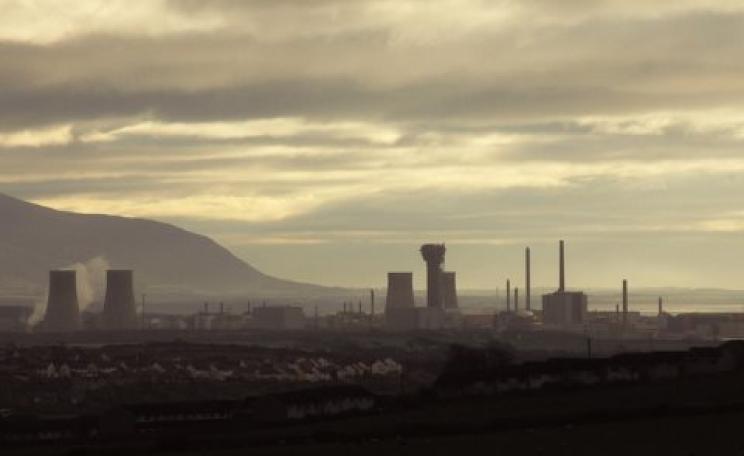
The cash-strapped Cumbrian Museum is rebranded to tell 'The Sellafield Story'. The UK's favourite scientist Brian Cox and Government Minister Baroness Verma provide razzmatazz along with the Happy Robot. Lollypops anyone?
When we speak of WMD, we usually think of weapons - nuclear, biological, or chemical - that are delivered in a moment, writes Tom Engelhardt. But what of climate change: a WMD on a long fuse, already lit and smoking ...
Humanity has always lived under the threat of extinction, writes Anders Sandberg. Now we have reduced some of the dangers - but created new ones of our own. And right now, it's the anthropogenic threats that look the scariest ...
The belief that unilateral reductions in the UK's nuclear weapons arsenal would bring no international benefits is deeply engrained in officialdom, writes Paul Ingram. Deeply engrained - and profoundly mistaken.
The Bering Sea is America's biggest fishery - but factory trawlers are ripping the guts out of the ecosystem, writes Jeffrey St.Clair, as they have already devastated fishing communities. Mix in nuclear bomb test fallout - an unlikely savior?
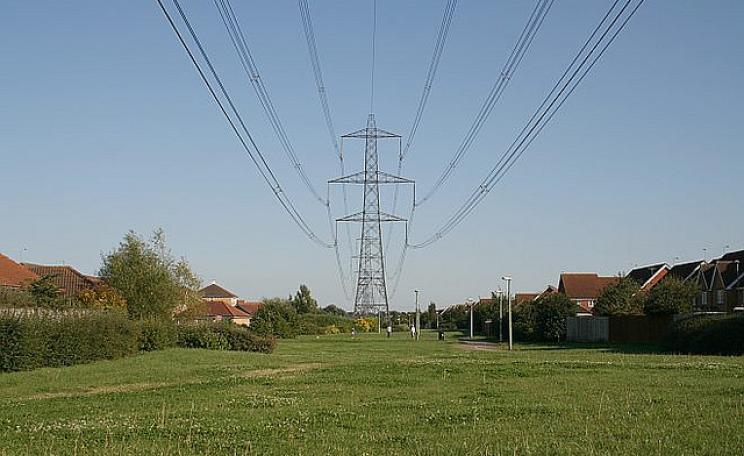
The risk of leukemia for children living near power lines closely tracks levels of radiation from nuclear bomb test fallout, writes Chris Busby. The obvious explanation the 'experts' have chosen to ignore: the electro-magnetic fields increase radiation exposure.
The US threatens to attack Iran if it tries to build a nuclear bomb, yet the US and other nuclear WMD states have ignored their treaty obligation to work toward nuclear disarmament, writes Rober Dodge. Now the Marshall Islands has gone to court to enforce compliance.
Opponents of nuclear power rightly focus on issues of cost, operational danger and waste disposal, writes David Lowry. But they should not forget the towering 'elephant in the room' - nuclear security and the risk of proliferation and terrorist attacks.
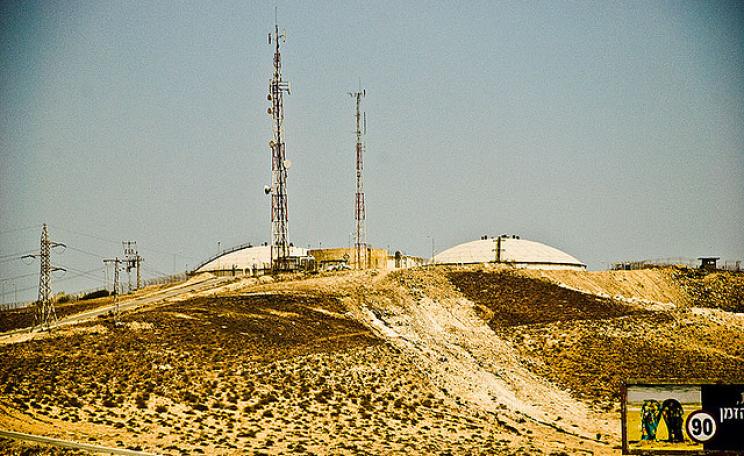
The Non-Aligned Movement has reiterated the demand for Israel, the only country in the Middle East that has not joined the Non-Proliferation Treaty, to 'renounce possession of nuclear weapons' and join the Treaty without delay.
To tackle the world's most pressing problems, writes Winslow Myers - like climate chaos, insecurity, hunger, poverty and disease - we must build a life-affirming peace free of the Earth-destroying nuclear weapons whose dark shadow bears down on us all.
Thanks in large part to continued activism by nuclear campaign group CND, the government is facing a rebellion of MPs in today’s vote on whether to renew Britain’s nuclear missile system, Trident.