As Europe and North America warm, bumblebees should be able to fly north to cooler climes, writes Tim Radford. But they're not: the bees' range is receding in the south, but staying put in the north, and scientists fear their shrinking habitat will put many species at risk of extinction.
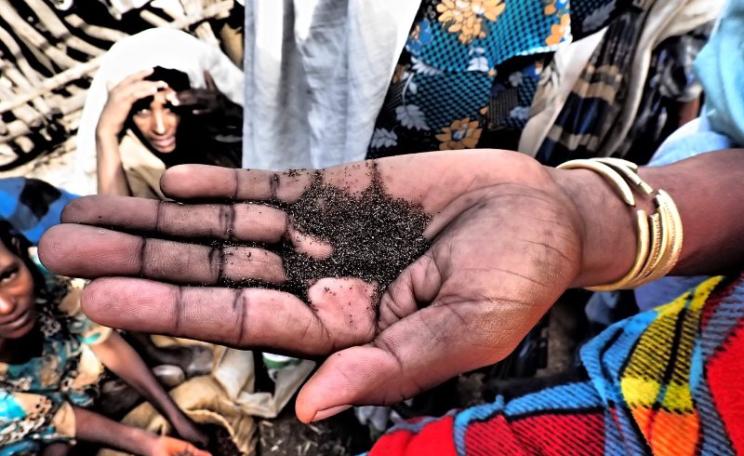
African governments, ignoring the protests of their farmers and civil society, this week agreed an oppressive 'plant variety protection protocol' that will open up their countries to commercial seed monopolists, while limiting farmers rights to save, use, exchange, replant, improve, distribute and sell the seeds they have developed over countless generations.
The UK government kicked away one of the main financial supports for renewable energy in yesterday's budget. The surprise move will cost the sector £3.9 billion over the next five years and undermines any prospect of the country meeting its EU renewable energy targets.
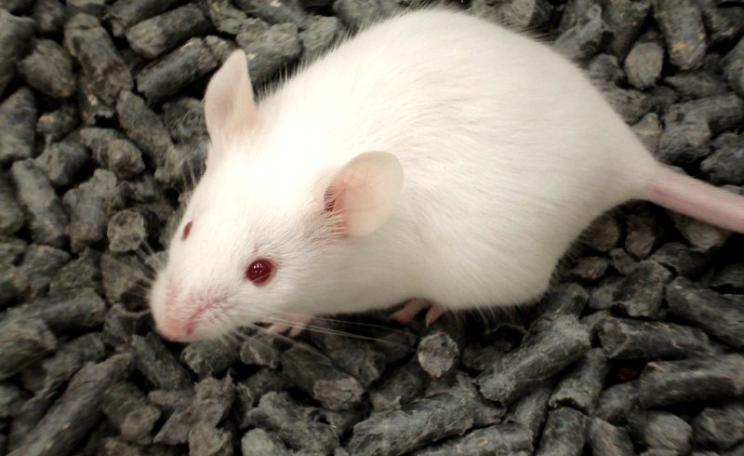
A new scientific study has found that laboratory rats used in health and toxicity studies are routinely given feeds contaminated with herbicides, pesticides and GMOs, writes Pat Thomas, potentially invalidating the results of crucial safety tests on GMOs, agrochemicals, medical drugs and other substances, on which health and environmental regulators base critical decisions.
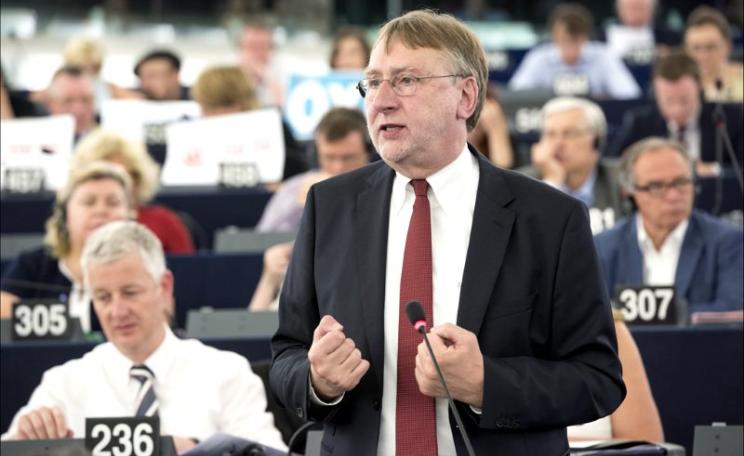
MEPs backed the TTIP EU-USA trade and investment deal by almost 2:1 today, ignoring civil society fears. New texts on key issues like ISDS appeared to address public concerns, but campaigners insist that 'the most dangerous proposals' remain.
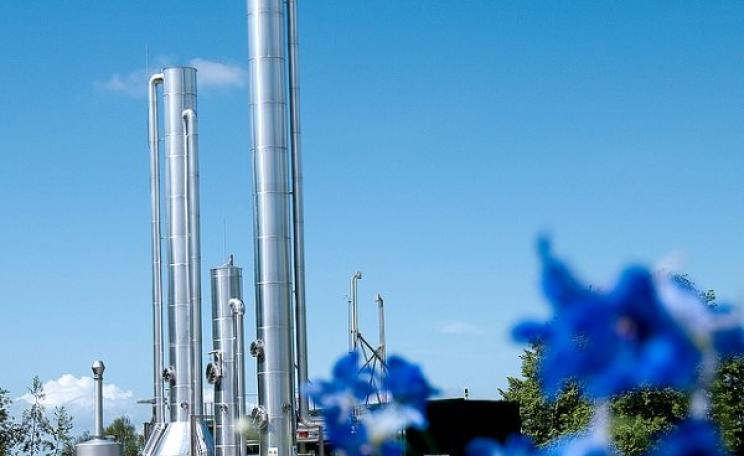
In its haste to get fracking, the UK Government is neglecting safe, clean alternatives that could be providing low-carbon gas and heat energy, writes Keith Barnham. The technologies are already well established in other European countries and are picking up fast here too - so why the insistence that only fossil fuels can deliver the UK's energy needs?
Caerphilly councillors yesterday refused permission for a huge open cast coal mine in South Wales that's fiercely opposed by local people furious at its impacts on air, landscape, tranquillity and climate, writes Guy Shrubsole. Coming so soon after the rejection of fracking in Lancashire, the message is clear: fossil fuels are best left safely underground.
The EU Parliament is voting tomorrow on the controversial Transatlantic Trade and Investment Partnership (TTIP) being negotiated between the USA and the EU. But do MEPs realise that the agreement could force European markets open to 'new biotech' foods and crops using advanced GM technologies that do not meet current definitions of 'GMO' within the EU?
Greece's refusal to accept a century of debt servitude to illegitimate creditors is a decisive moment for Greece, Europe and indebted nations everywhere, writes Yanis Varoufakis. With even the IMF agreeing with SYRIZA's economic analysis, the troika's insistence on endless austerity was only meant to ruin Greece and humiliate its government. But now everything has changed.
Britain's renewable energy surge will hit the buffers as funding dries up, writes David Toke - while cuts to the energy department's budget will wipe out its ability to guide the UK's low carbon energy transition.
The secretary general of the OECD group of the world's 34 richest nations has issued a dramatic plea to its members to act now to end 'unabated coal' burning, writes Alex Kirby, and invest in renewables around the world to prevent climate disaster.
Obama has delighted climate campaigners with this 'clean Power Plan' that will force states to make deep cut in carbon emissions from power stations, writes Dan Roberts. But not everyone is happy, and legal challenges loom.
Within minutes of Labour's election defeat its MPs were denouncing Miliband for failing to 'embrace aspiration' and alienating 'wealth creators', writes Ben Whitham. But the real problem was that he never expressed a coherent alternative to neoliberalism and austerity, presenting at best a 'Tory lite' agenda that failed to inspire. And who are the real wealth creators anyway?
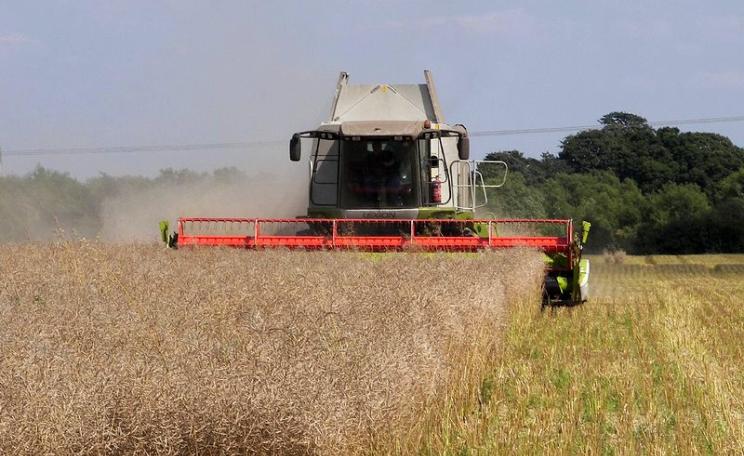
Early yield figures indicate a bumper harvest for oilseed rape in England in the first neonic-free growing season - making a nonsense of the 'emergency' lifting of the ban of the bee-killing pesticides.
As Greece prepares for its referendum, Takis Grigoriou takes Greece to task for its highly polluting lignite power sector, its ditching of a successful solar program in favour of more coal, the minimal insulation in its buildings that locks in high fuel bills, and Syriza's failure to tackle these issues. The good news? Greece's latest €1.4bn coal project looks like going unfunded.
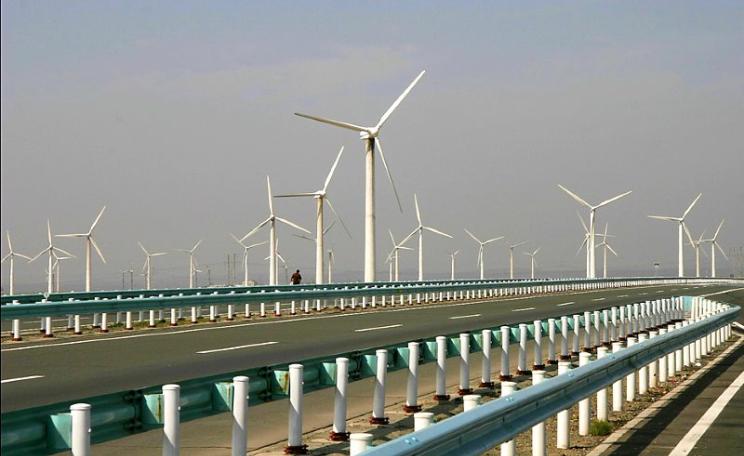
Renewable energy is all go in China, as set out in its climate pledge this week, writes John Mathews, with huge growth planned for wind and solar. The one big loser - coal exporters who can expect falling sales volumes in coming years. Wake up Australia!
House prices could fall 7% near fracking rigs, according to the 'secret' Defra report on fracking in rural areas, only published in full after a legal battle, while leakage of waste water could damage human health and contaminate food.
Honduras has endured six years of violence and land grabs after the 2009 US-backed military coup made the country a playground for Hillary Clinton's billionaire friends, write Eric Draitser & Ramiro S. Fúnez - and a hell for the country's indigenous and small scale farming communities, whose leaders are routinely murdered with impunity by US-trained forces.
Last month Palestinians of the Jordan Valley suffered a punitive regime of military exercises that displaced hundreds of people, set fire to farmland and holed water tanks - all part of Israel's plans to annex the region for Jewish settlements.
California's drought is a harbinger of things to come around the world, writes Maude Barlow. Because of global warming, yes - but also because the Golden State is an exemplar of the 'water as property for corporate profit' neoliberal paradigm that's taking over the world. It's now essential to assert water as a Commons - to be both justly shared, and fiercely protected!
The world economy and energy use both grew in 2014 - but carbon emissions did not, writes Alex Kirby. The reason? The worldwide surge in renewables, especially in China, has reduced demand for coal in power generation.
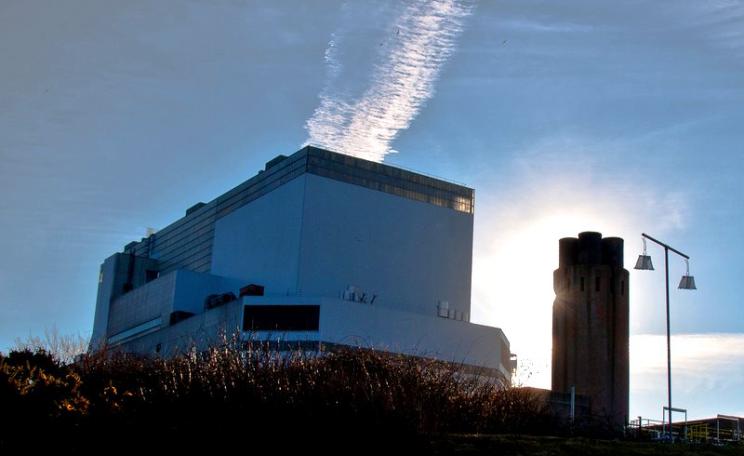
Will Labour turn against nuclear power? As Chancellor, Ed Balls would have cancelled Hinkley C due to its massive cost, writes Ian Fairlie. But he never got the chance, and now the party remains muted even though the Government's nuclear enthusiasm is completely out of kilter with reality. To end nuclear's grip on Labour there's only one choice of leader: Jeremy Corbyn.
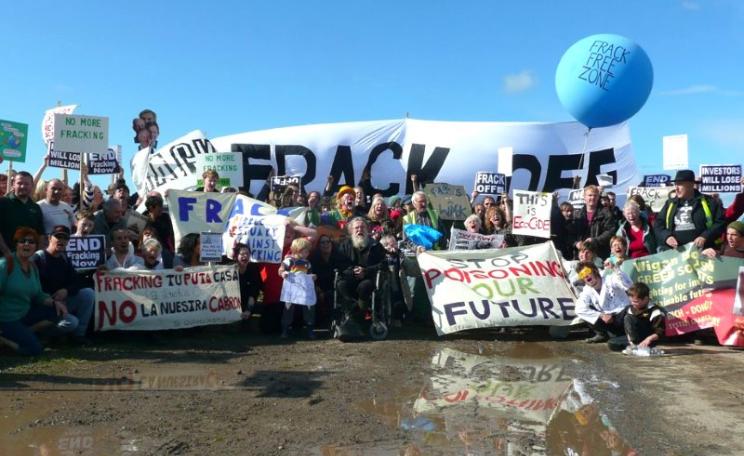
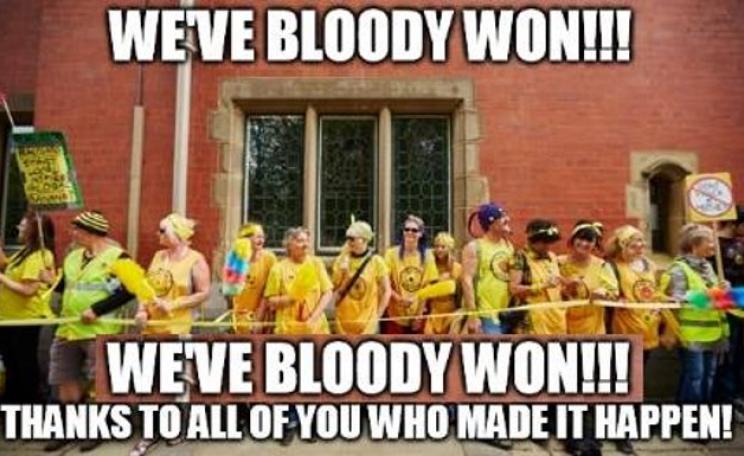
In a dramatic decision this morning, Lancashire county councillors voted 9:3 to reject Cuadrilla's planning application to frack at Preston New Road, defying the warnings of their own planning officers.
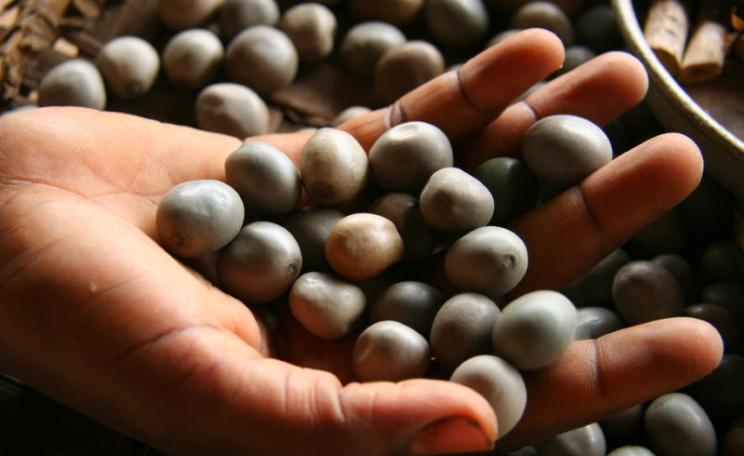
Nineteen African nations meet today in Arusha, Tanzania, to finalise a 'plant protection' protocol that would open up the continent's seeds to corporate interests, taking away farmers' rights to grow, improve, sell and exchange their traditional seeds, while allowing commercial breeders to make free use of the biodiversity they embody, to sell them back to farmers in 'improved' form.